

Teddy bear — a step-by-step lesson for grown-up and child
Most sets have one card that makes a baby’s whole face change, and this is usually it: the card that looks like someone they know. This lesson makes the introduction formal.
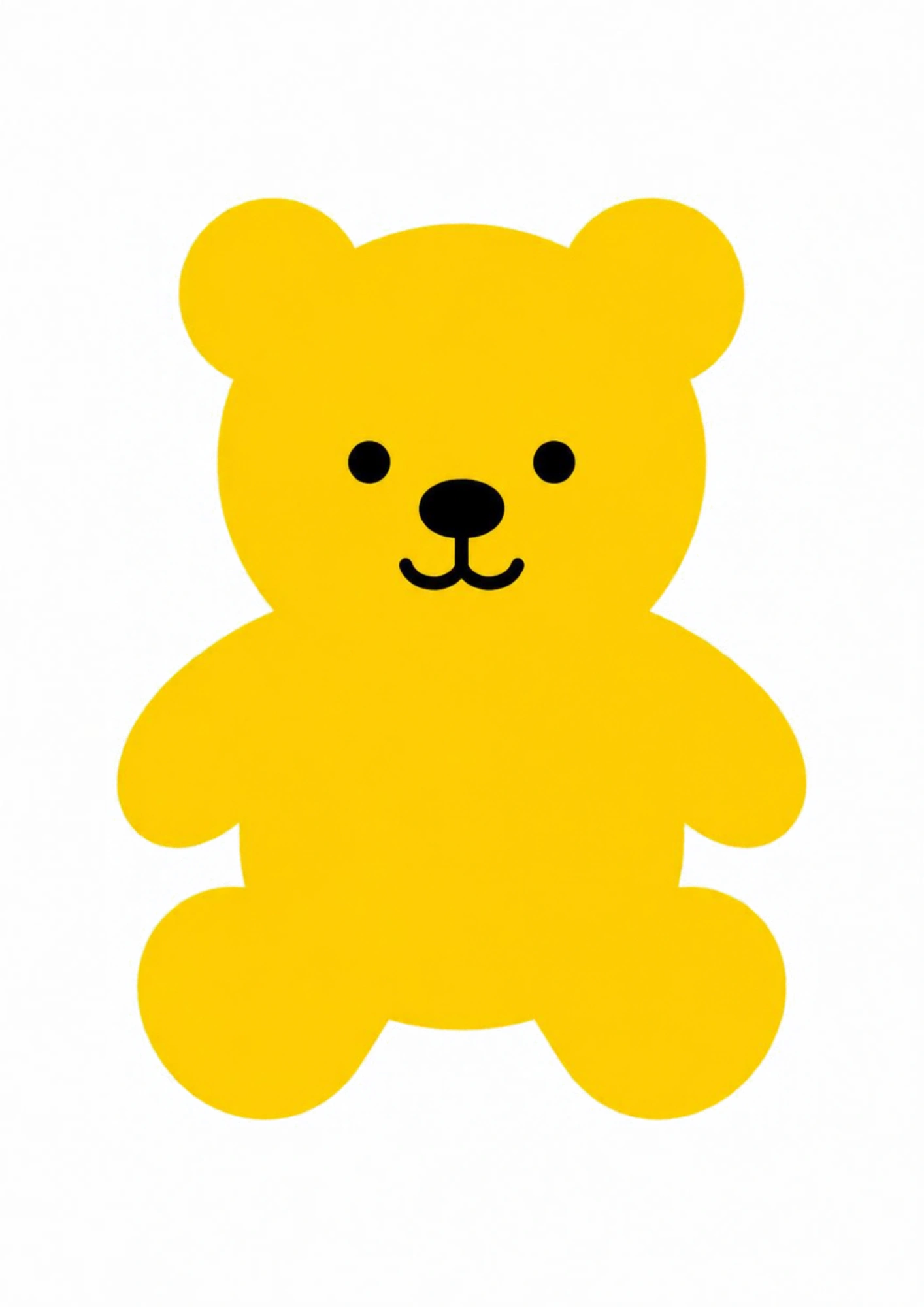
What is this?
A teddy bear is a soft toy friend, and for many babies this card names an actual resident of the cot corner or the shelf. The picture is not a stranger — it is a portrait session for someone already loved.
What does it mean?
Comfort objects carry enormous emotional weight, and words attached to them get processed with the volume turned up. Naming the teddy fuses language with security — some of the strongest glue a first vocabulary can have.
What does the child need to know?
The procedure is a proper hello: show the card, then fetch the real bear for a side-by-side meeting — the picture bear, the fur bear, and your delighted voice joining the two. If teddy starts attending every card session from now on, that is not a distraction; it is a ritual being born.
Why this matters
Routines with a comfort object teach more than the word: they teach that looking-time is safe time. A baby who does card time with teddy beside them gets the word, the picture and the calm — and calm babies look longer.
What it teaches
Emotional security during learning, word-object mapping for a beloved object, soft-touch sensory experience, and routine-building — the same faces and words in the same warm order.
Words to learn
teddybearsoftcuddlyhellohug
Say this to your child
“"Teddy bear! Look, here is teddy on the card... and here is YOUR teddy, come to say hello. Soft teddy, cuddly teddy. Shall we let teddy watch card time with us? Hello, teddy. Welcome to the class."”
Step by step
- Show the card at close range with a warm voice: "Teddy bear! You know this friend."
- Let your baby study the picture, then reach for the real teddy and bring it into view beside the card.
- Introduce them properly: "Card teddy, meet real teddy" — and let the real bear nod and wave with your hand doing the honours.
- Bring the real teddy close for a touch against your baby’s hands or cheek — soft is the whole point of teddy.
- Seat the real teddy where it can "watch" the rest of the session, and let that be its job from now on.
Look closer at the picture
The artwork is a soft, friendly teddy bear — say that much. The live noticing is the meeting: does your baby’s gaze travel between the picture bear and the real one? And does the touch of soft fur change their body language? Comfort shows on babies as loosening.
Ask your child
Watch the recognition: does your baby look from card to bear with fresh interest, or treat them as two unrelated things? Wonder aloud: "I wonder when you will start smiling at teddy’s name alone."
What your child can say or do
Bright-eyed looks that swing between card and bear, fingers curling into the fur, a whole-body snuggle when teddy arrives, or a gummy smile aimed at your teddy-voice — any of these means the friendship is doing its work.
Out in the real world
Teddy lives everywhere your baby goes: the cot, the car seat, grandma’s spare that lives at grandma’s house. Each sighting is a replay — "teddy" — and this card may end up the most-repeated word in the whole set.
Try it together
Teddy says hello: let the bear greet your baby by name each session — "hello, little one" — in your teddy-voice, then touch paws gently to their hands. Two greetings, two voices, one friend. It never gets old at this age.
Understanding check
Parent self-check: did the real teddy actually attend the session, and did the meeting get words — an introduction, not just proximity? The naming is what turns a prop into a character.
Parent tips
If your family has no teddy, the closest soft thing works — a comfort cloth, a plush anything. The lesson is about naming a loved object, not this exact bear. Keep the teddy-voice consistent; babies recognise voices before faces.
Staying safe
Choose the session teddy with baby-safety eyes: no glued-on buttons or bead eyes, no loose ribbon neckwear, nothing that sheds fibres. Soft toys that live in the cot stay out of card time if they are sleep-only friends — card time can borrow a different bear.
This lesson pairs with the Teddy bear flashcard in the library — print it, show it, keep it on the fridge. Back to Colors & First Objects (Infant 1).