Age Birth–6 WeeksSubject SeeClass Newborn 1Time 2–5 minutes
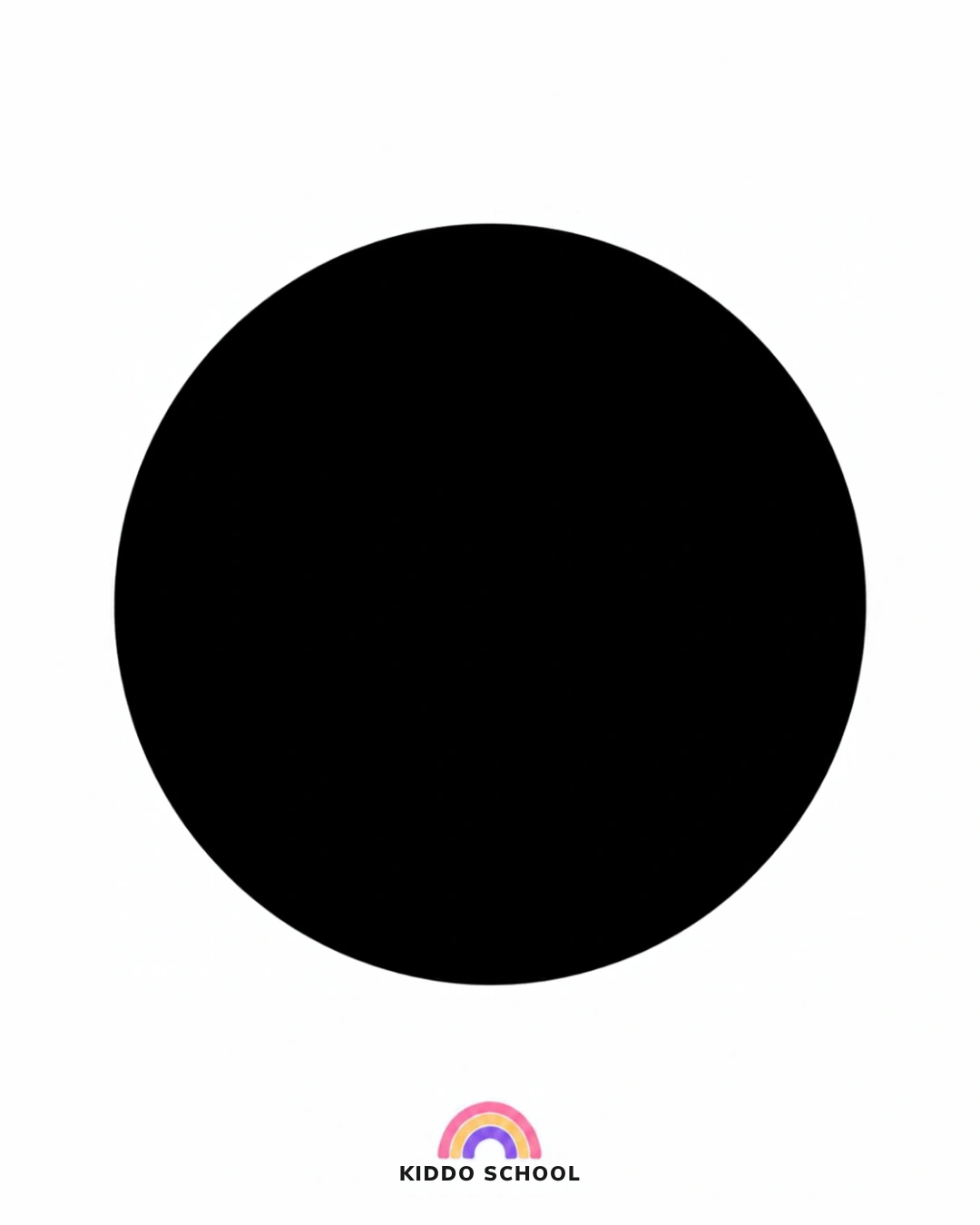
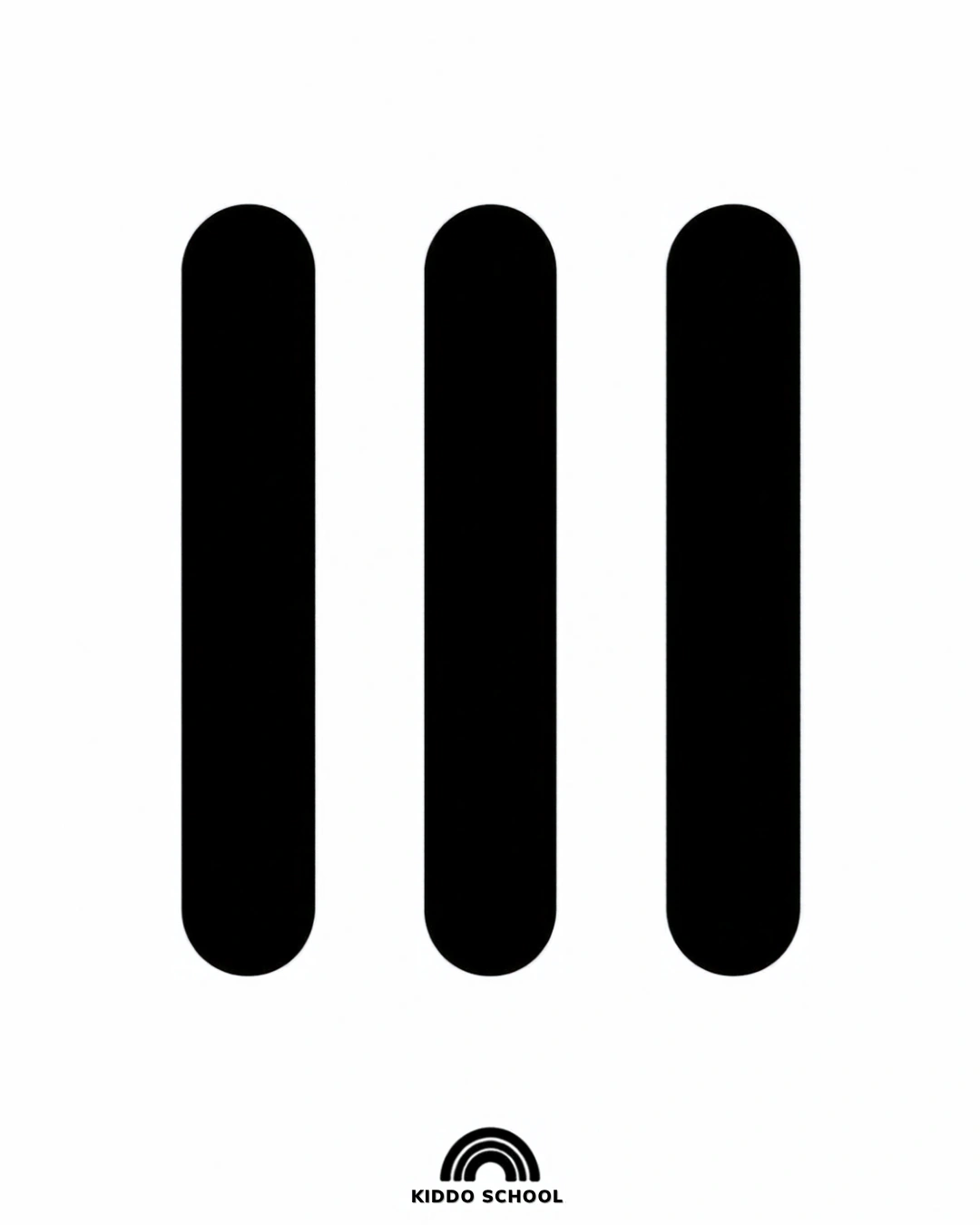
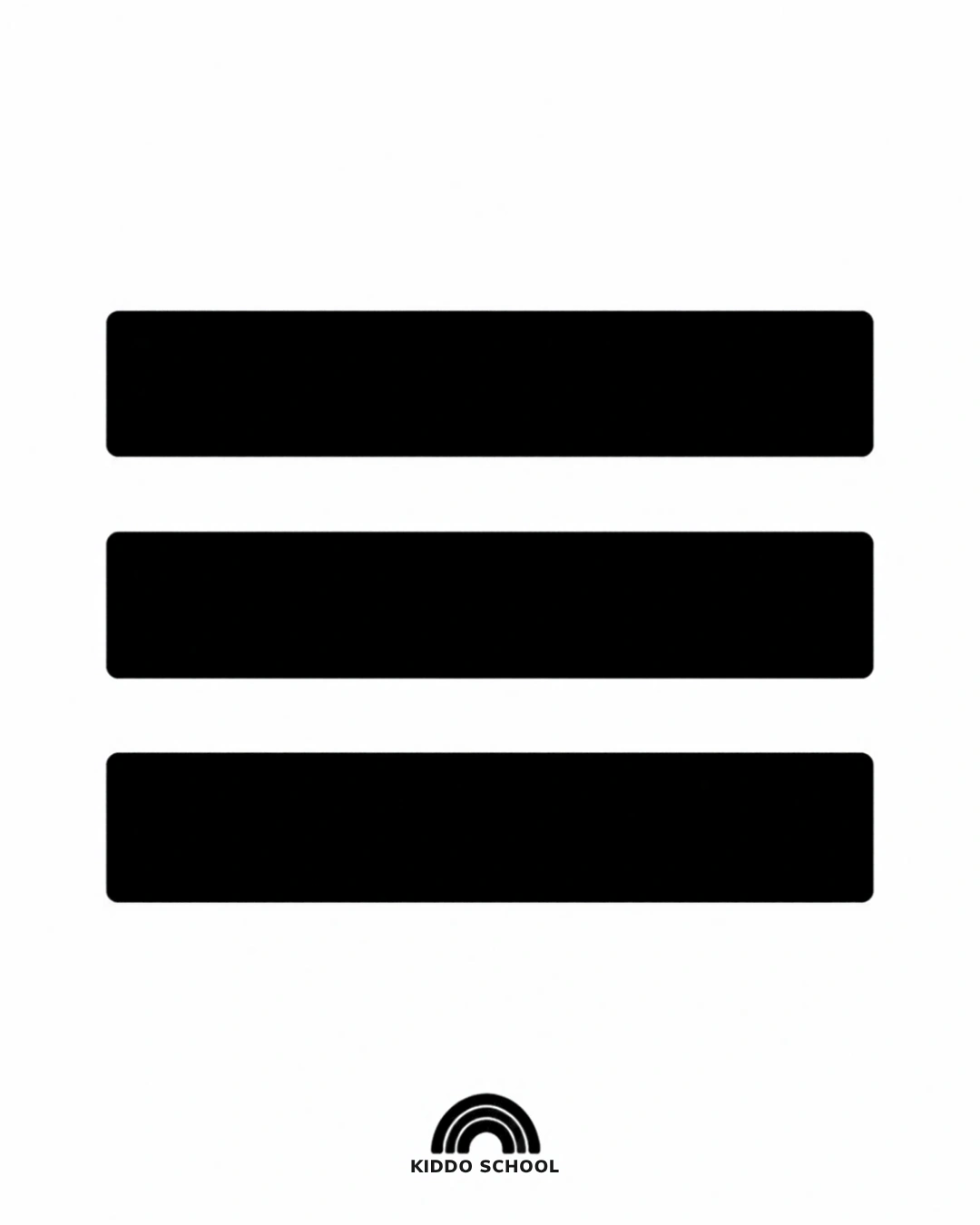
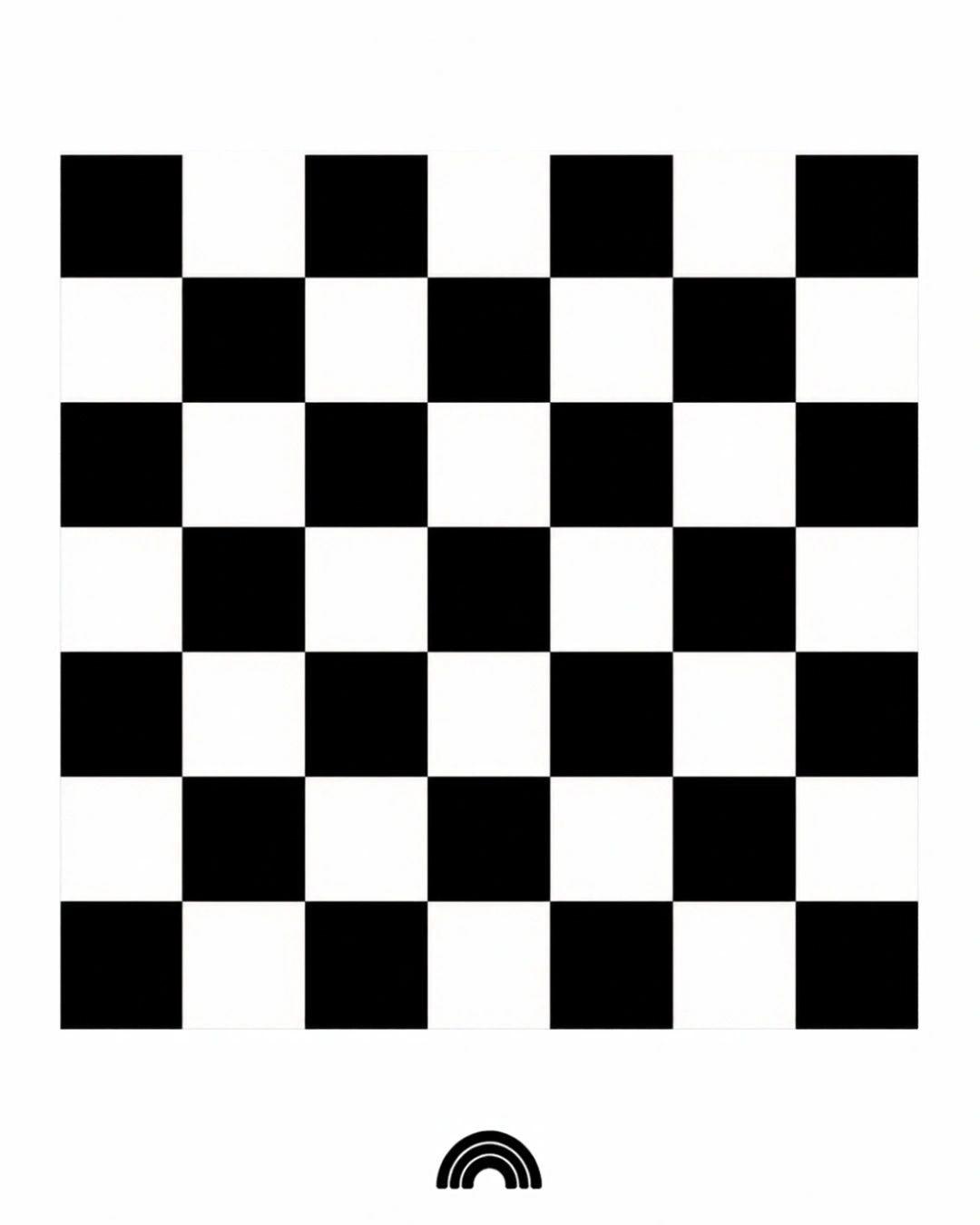
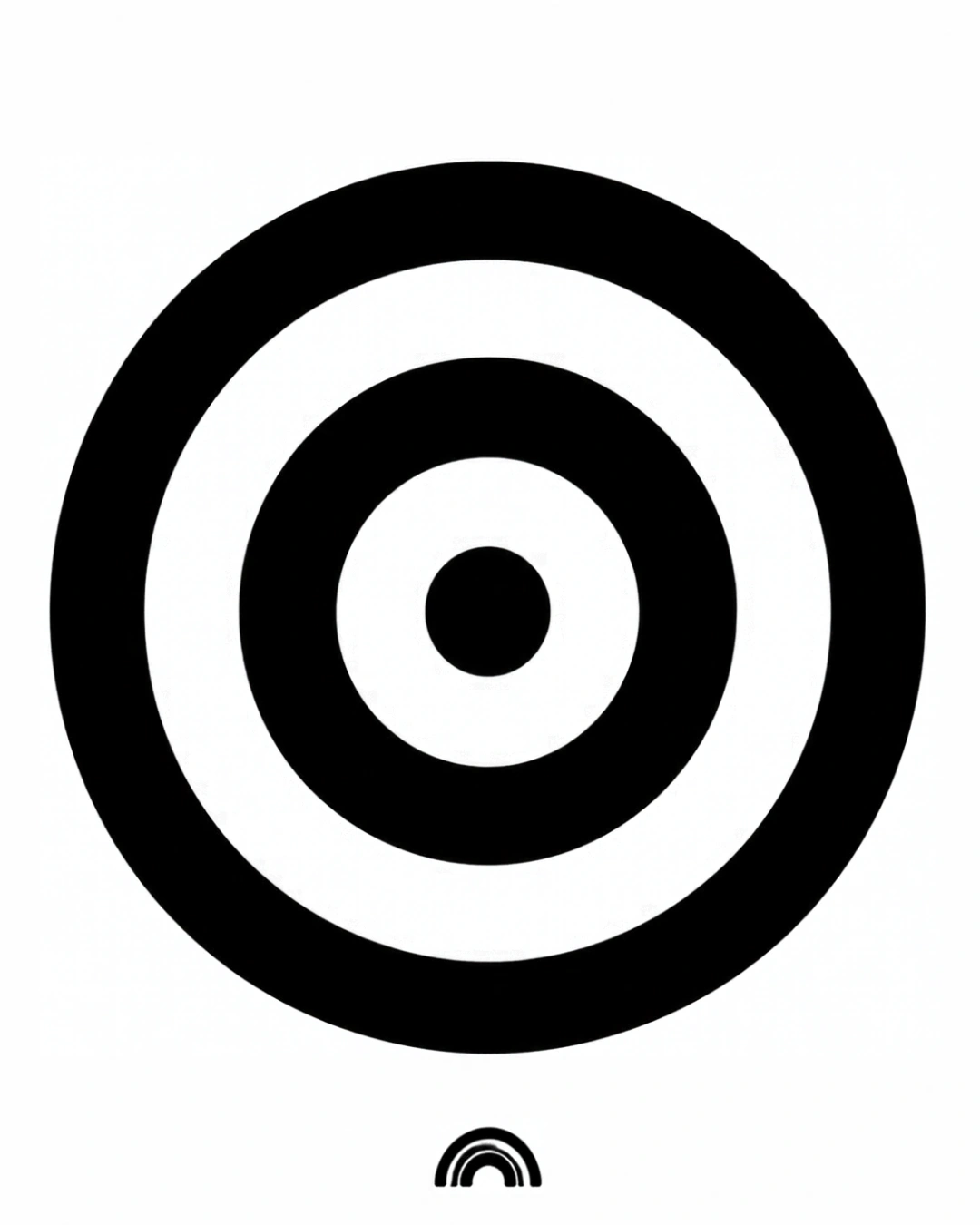
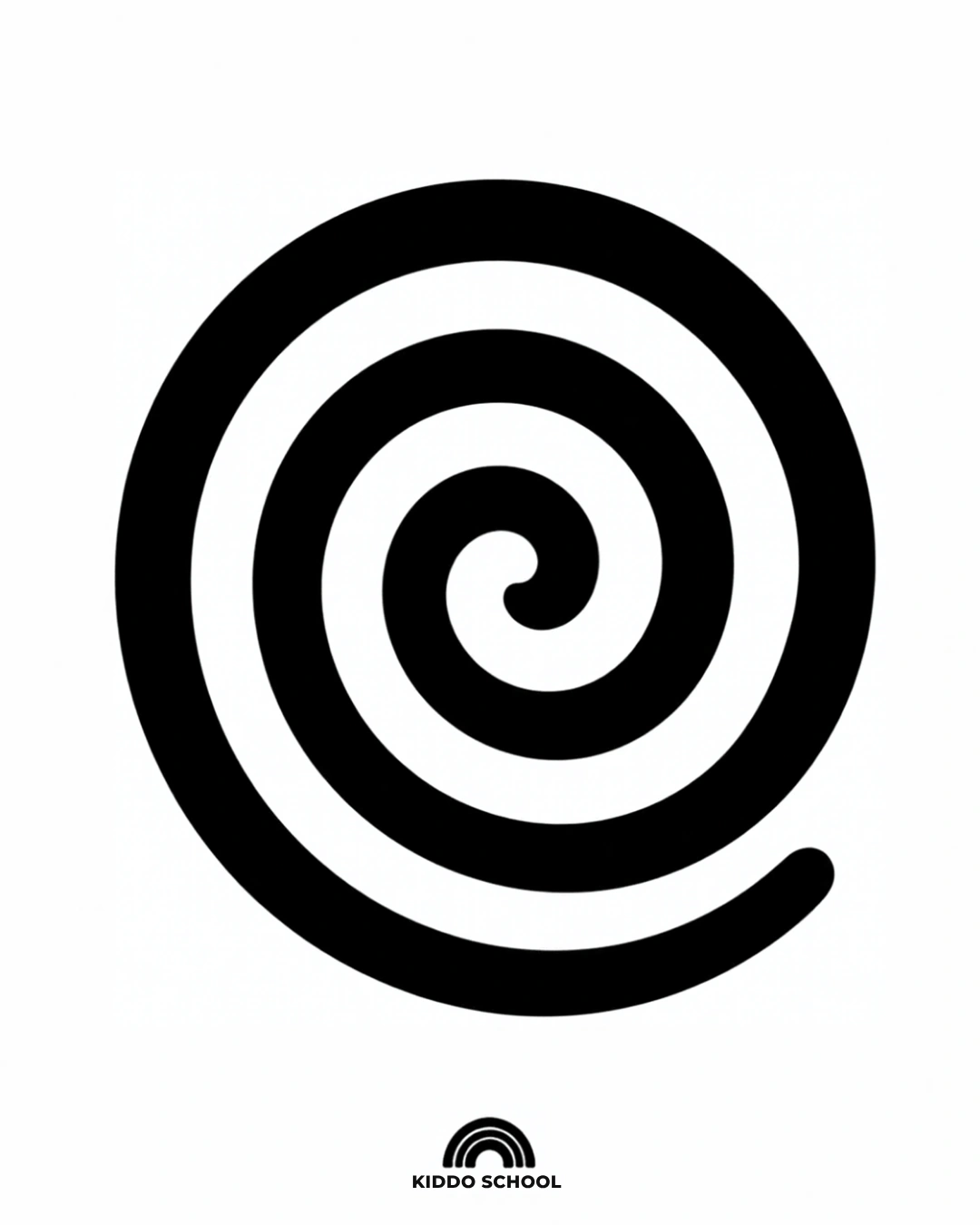
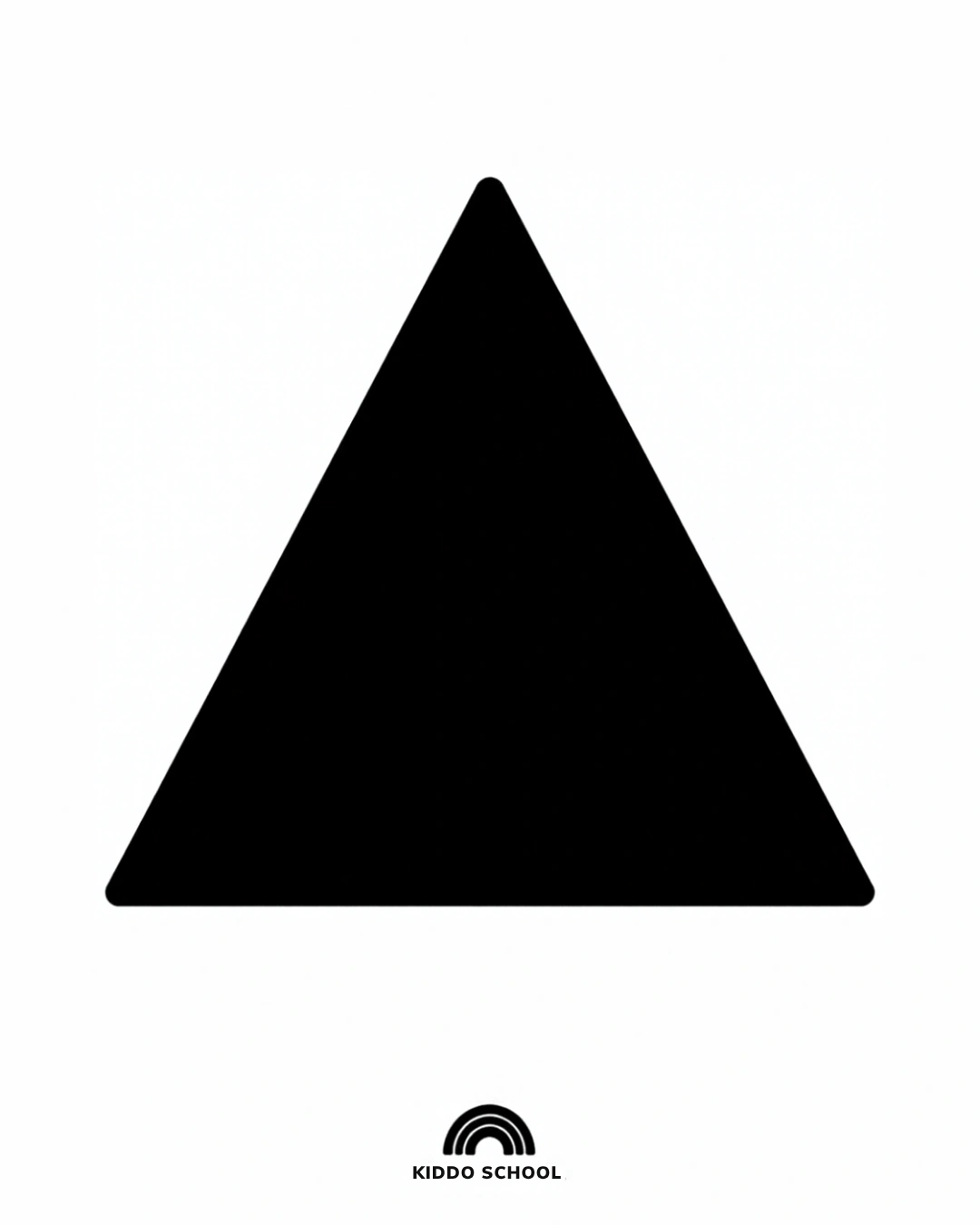
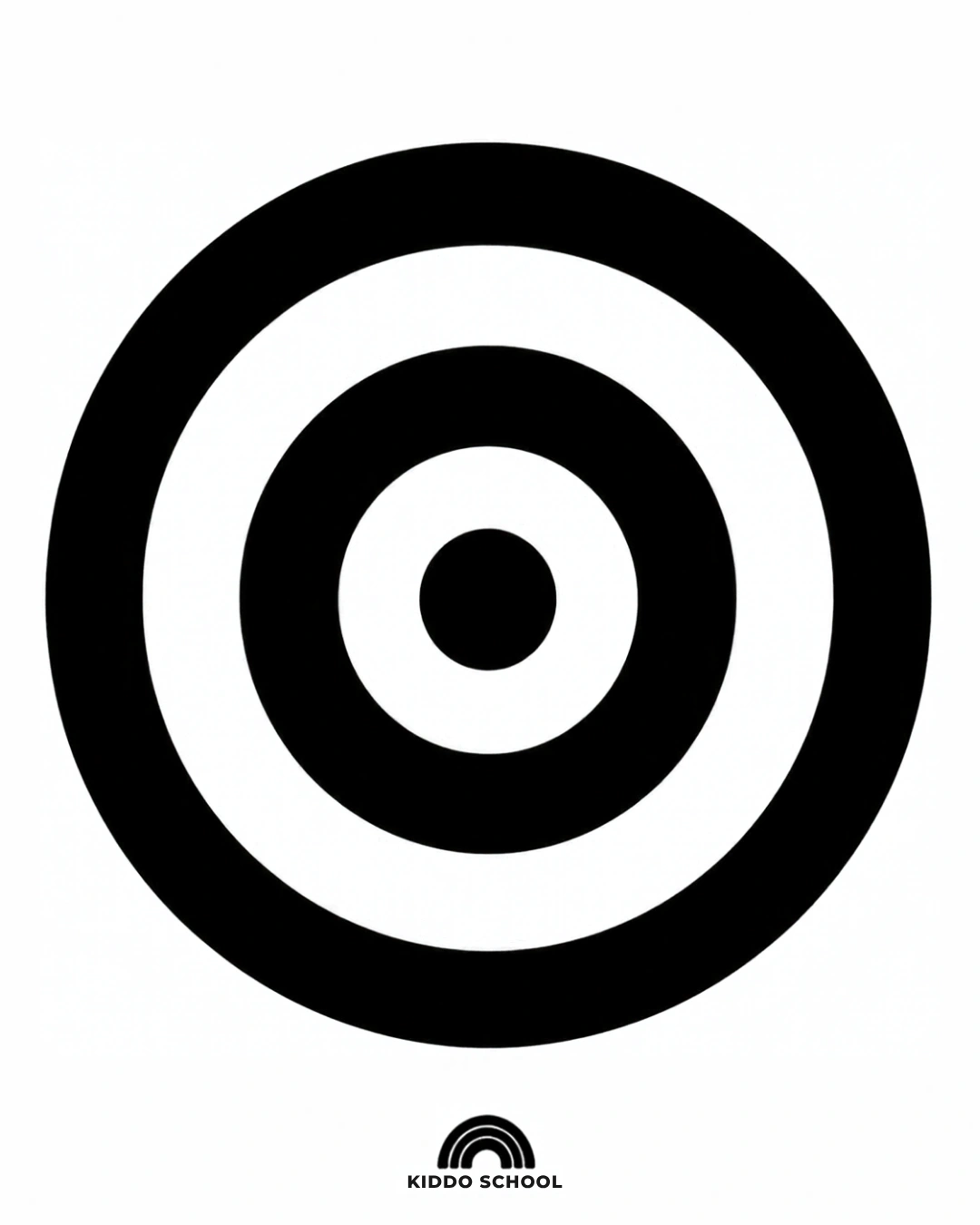
Newborns see the world in bold shapes long before they see details. These twelve black and white baby flashcards use strong, high-contrast patterns — circles, stripes, checkerboards and friendly faces — because bold contrast is exactly what catches a brand-new baby’s attention. It is the classic newborn visual stimulation activity, turned into a calm two-to-five-minute class: no printing, no setup, just you, your baby and one card at a time.
Show a card, watch, talk softly, and stop when your baby is done. That is the whole class. Nothing to teach and nothing to test — just an easy first step into Kiddo.school, from birth onward.
Start Today’s Class ↓Twelve cards, one at a time. Works beautifully on a phone at arm’s length.
TODAY’S CLASS
Twelve cards, one at a time.
Card 1 of 12
Or simply scroll: all 12 cards are below.
Class complete — well done. However many cards your baby saw, however long it took, that was a full class. Rest is part of it too.
PARENT INSTRUCTIONS
How to use these cards
01
Hold the card close
Hold the card about 8–12 inches (20–30 cm) from your baby’s face — roughly the distance from your elbow to your fingers. Close, bold and steady is easiest for brand-new eyes.
02
Let your baby look
Let your baby study the image. Some babies stare hard, some go very still, some wiggle with excitement. All of that counts as looking.
03
Move it slowly
When your baby is alert and interested, slowly move a card from side to side, a few centimetres each way, and watch their eyes follow.
04
Stop in time
Stop when your baby looks away, yawns or loses interest. Looking away is how a newborn says “enough for now” — and that is a complete class.
05
Keep it short and calm
Keep the experience short, calm and parent-led. Two to five minutes is plenty at this age, and you can always come back tomorrow.
Every baby develops differently. Ages on Kiddo School are guides, not tests or deadlines. If you ever have a question about your baby’s vision or development, your doctor or health visitor is the right person to ask.
THE LITTLE BIT OF LEARNING
Why black and white?
In the first weeks, most of what a newborn sees is soft and blurry, and strong black and white shapes are the easiest images for young eyes to notice. That is why high contrast cards and black and white baby flashcards have been a favourite newborn visual stimulation activity for generations. Following a slow-moving card gives your baby practice at focusing and tracking, and your voice turns the looking into language: circle, stripes, hello face. Nothing here is a lesson or a test — it is a calm minute of shared looking, at exactly your baby’s pace.





Comments from our school community