

Cat — a step-by-step lesson for grown-up and child
The Baby 1 stage begins here, with the friendliest animal in the set. This lesson builds the rhythm that carries all six animal cards: tap, name, sound, wait — and whatever comes back is conversation.
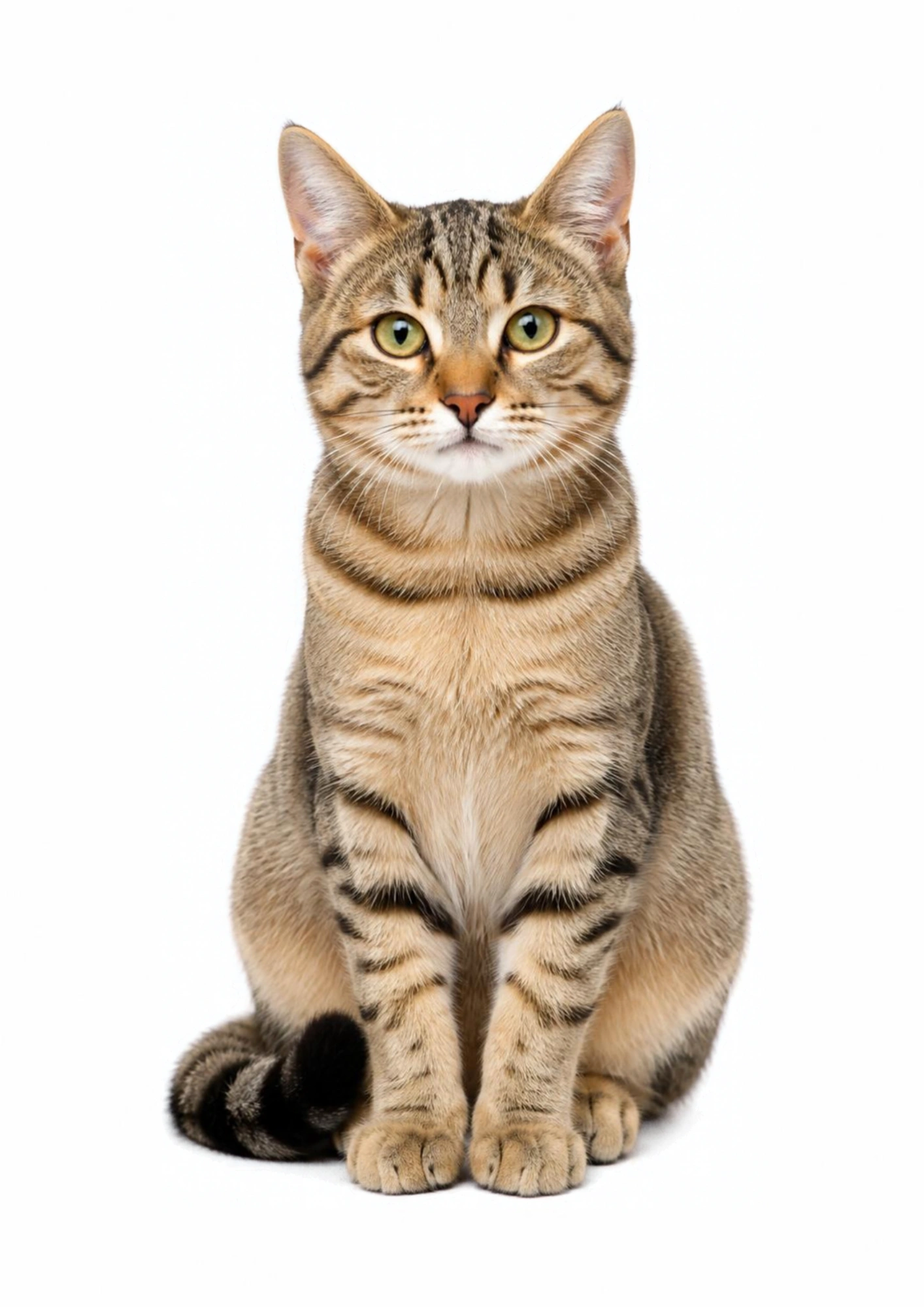
What is this?
A cat is a small, soft, whiskered animal that naps, prowls and says meow. At 6–9 months your baby is ready for the full animal experience: the picture, the name, the sound, and — arriving soon — a pointing finger of their own.
What does it mean?
Animal words are vocabulary with the volume turned up: each arrives with motion, noise and drama attached. The meow is the hook, but the deeper work is the turn-taking — you say your bit, the silence opens, and your baby discovers they have a side in this.
What does the child need to know?
The rhythm is the whole method: tap the picture, say the word, make the sound, then hold a real silence. A squeal, a babble, a bounce or a stare — anything back is your baby’s turn. And if a real cat appears this week, one word more makes the set permanent.
Why this matters
Sounds are the easiest door into language for this stage: before babies manage words, they can manage noises, and meow is nearly a noise by itself. Every animal conversation now is rehearsal for every conversation later — someone speaks, someone answers.
What it teaches
Animal recognition, sound imitation attempts, turn-taking in “conversation”, and the emerging gesture system — reaching, tapping and the first backward-point at pictures.
Words to learn
catmeowsoftearswhiskersagain
Say this to your child
““Cat! Here is the cat, with its pointy ears and long whiskers. A cat says meow — meow! Such a soft little sound. Can you hear it? Meow. Your turn now, little one. Tell the cat something.””
Step by step
- Sit your baby supported on your lap and bring the card to just beyond arm’s length — close enough to study, far enough to tap.
- Tap the cat gently and say its name: “Cat.” Then the sound: “Meow” — soft, rising, twice at most.
- Open a real silence and count to five inside your head; every squeak, kick or babble in that gap is your baby’s reply.
- Answer the reply warmly — “yes! meow!” — and run the rhythm once more if interest holds.
- If a hand comes towards the card, let it land and smooth the picture with their fingers; touching the cat is part of knowing it.
Look closer at the picture
The artwork is a soft, watchy cat in realistic detail — the ears, the whiskers, the watching eyes. Say what you see, then move the noticing forward: in the silence after your meow, what does your baby do? That gap is where the conversation either starts or does not.
Ask your child
Watch the turn: does your baby answer sounds now with sounds of their own? Does a finger hover over the picture? Wonder aloud: “I wonder if you are storing meow somewhere — it sounds like it.”
What your child can say or do
A squeal or rasp aimed back at your meow, fingers stroking the picture, a bounce of the whole body at the sound, or a first wobbly point at the cat — pointing at what you mean is the biggest news of this stage, and it starts exactly like this.
Out in the real world
Cats prowl through the week: over the fence, through a book, on a friend’s jumper. Each appearance takes the one-word replay — “cat!” — and the sound if your baby’s mood invites it. Real cats are the best advertising this card could ask for.
Try it together
Sound tennis: meow to your baby, wait, answer whatever returns, wait again. Three or four exchanges is a full match. You are not teaching the sound — you are teaching the game where sounds go back and forth, which is the game talking is built on.
Understanding check
Parent self-check: did you leave at least one honest five-second silence, and did your baby get to “say” anything back? The silence is the gift; without it, animal sounds become a lecture instead of a chat.
Parent tips
Keep sounds below their startling threshold — soft meows breed confidence, loud ones breed caution. If your baby points at the cat, answer the pointing with the word instantly; the gesture-and-name link you build now feeds every word after.
Staying safe
Real cats stay the authors of their own participation: supervised glimpses, never forced contact, claws and food bowls out of the story. Card sessions stay on your lap — at this age, silence plus paper plus a hand equals chewing.
This lesson pairs with the Cat flashcard in the library — print it, show it, keep it on the fridge. Back to Animals & Everyday Objects (Baby 1).