Age 3 YearsClass Preschool 6Subjects Animals & their sounds
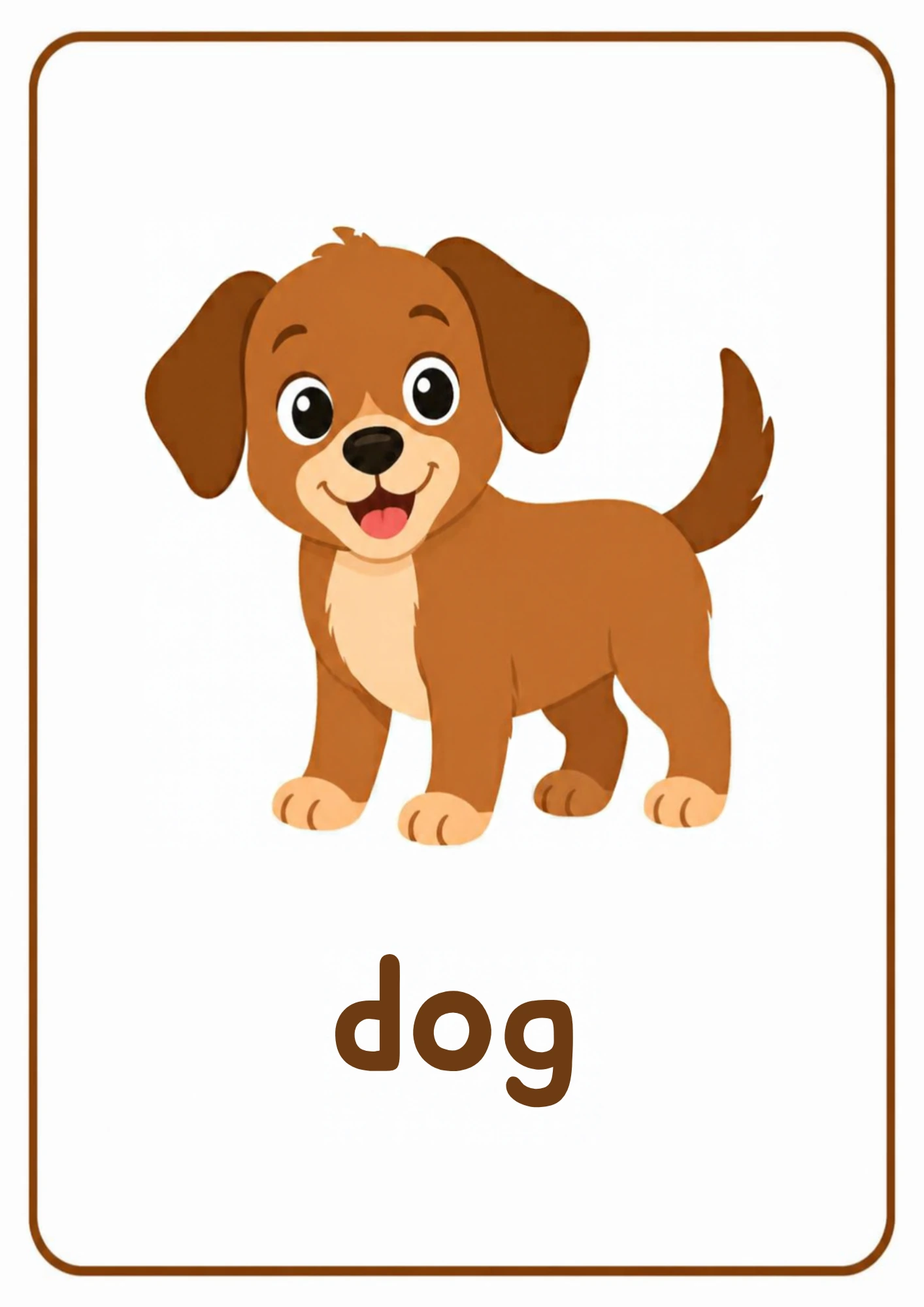
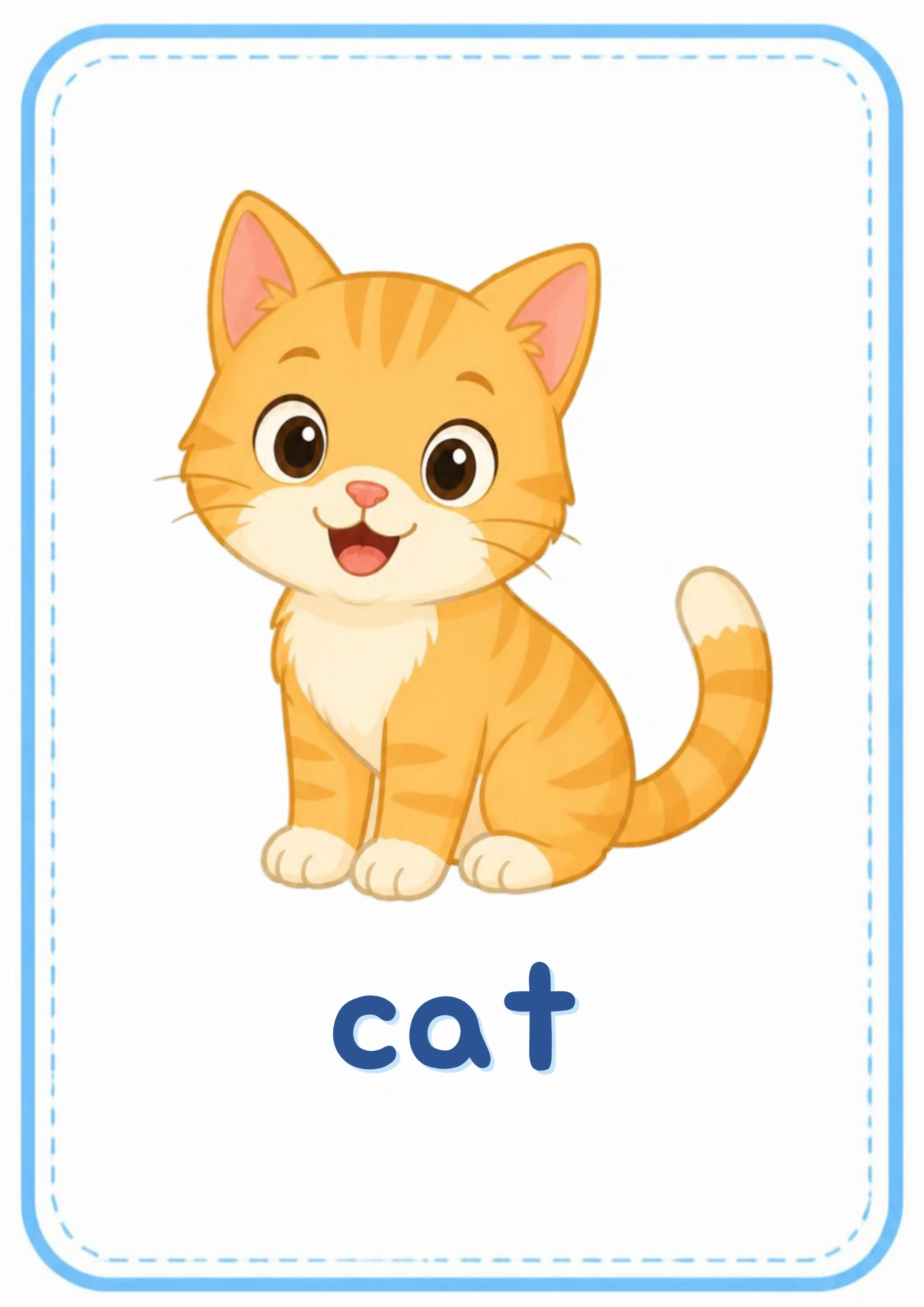
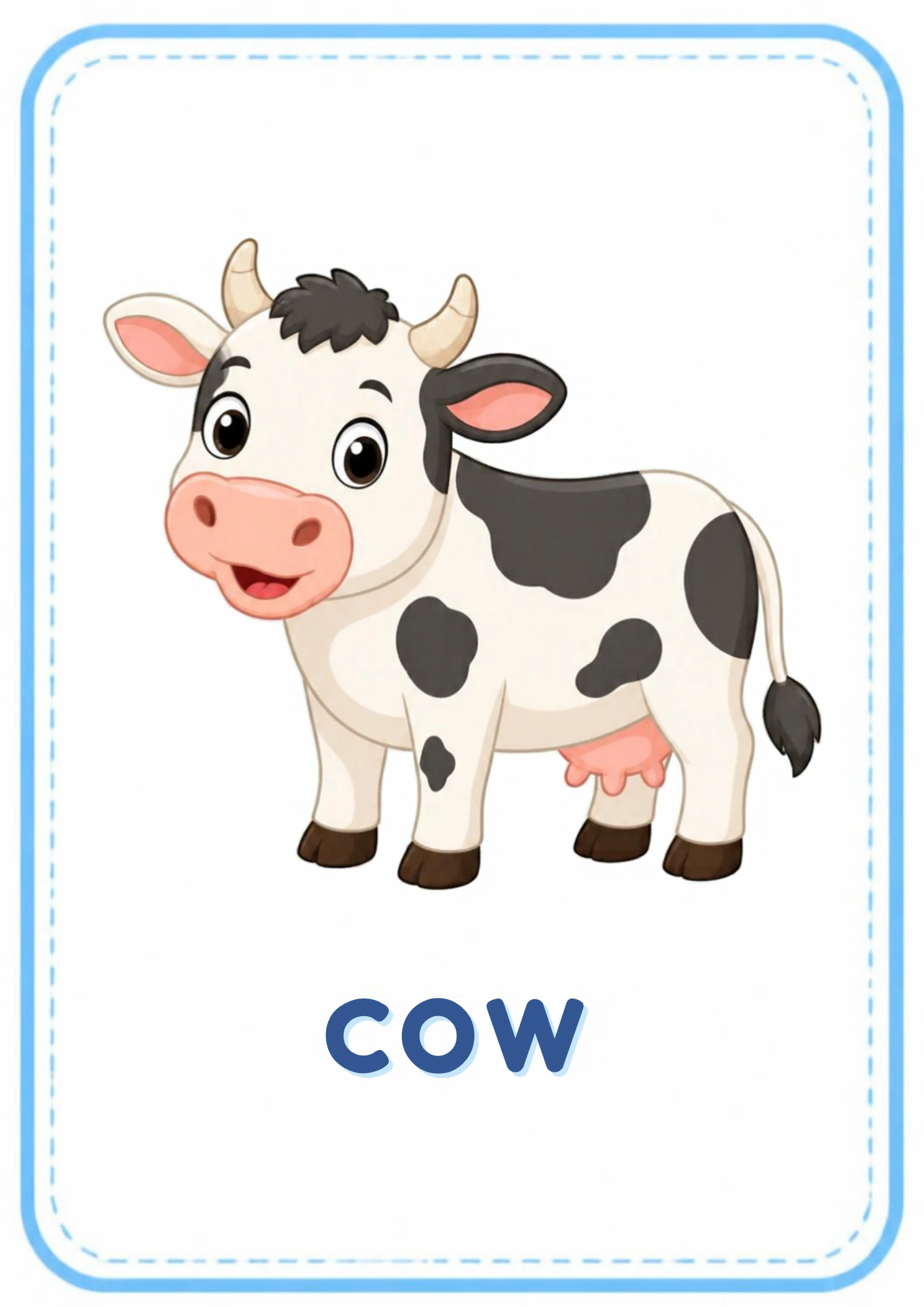
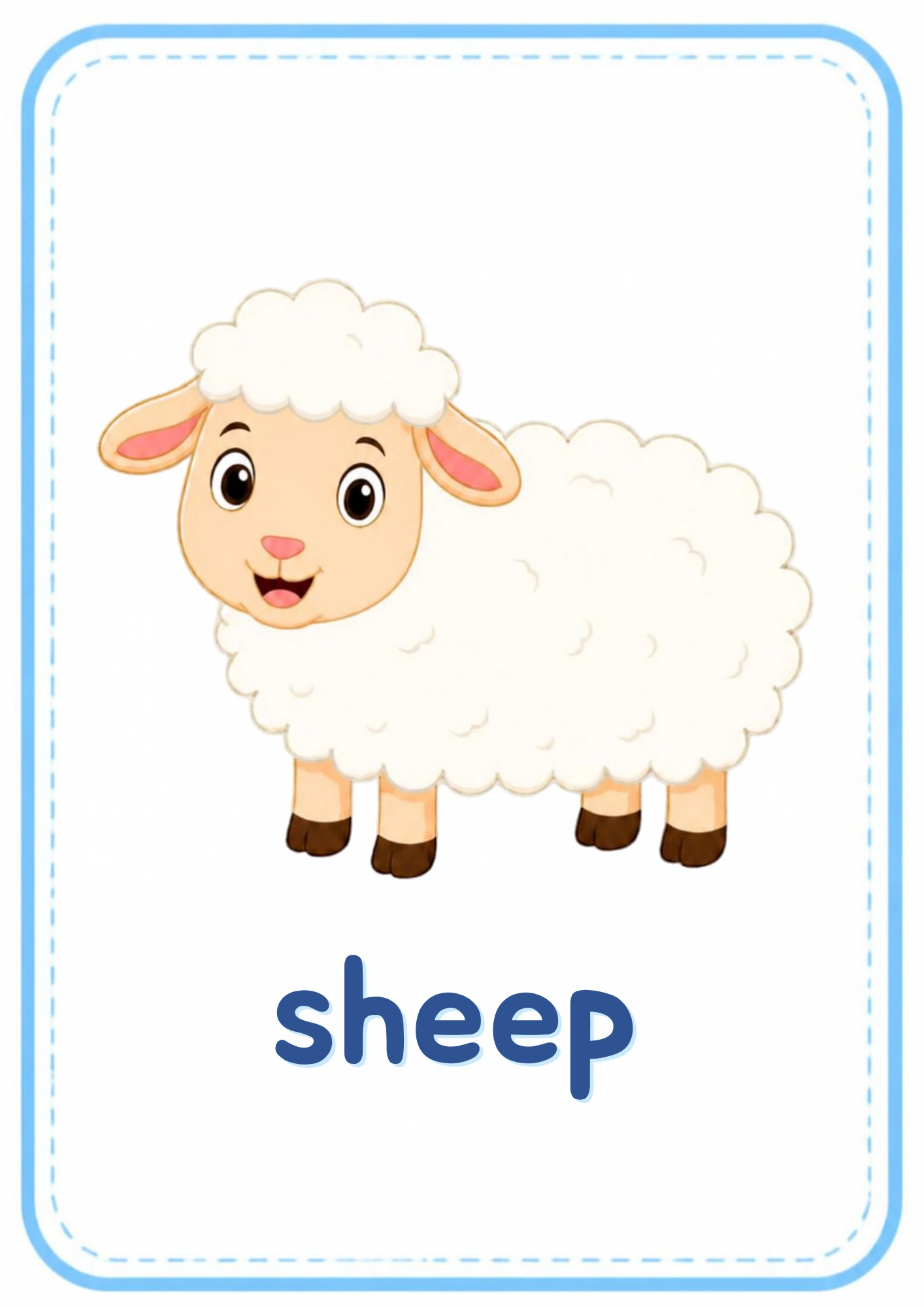
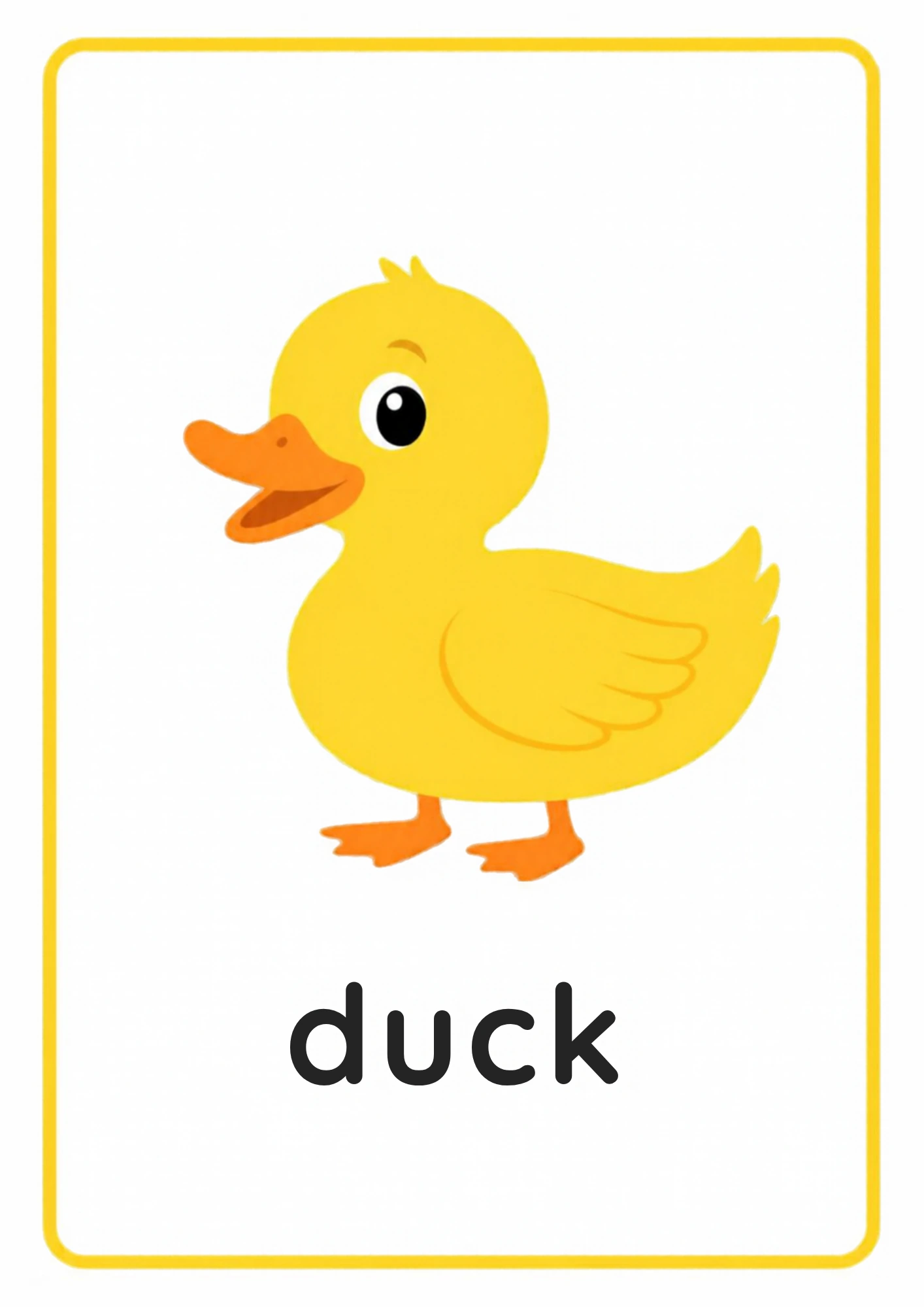
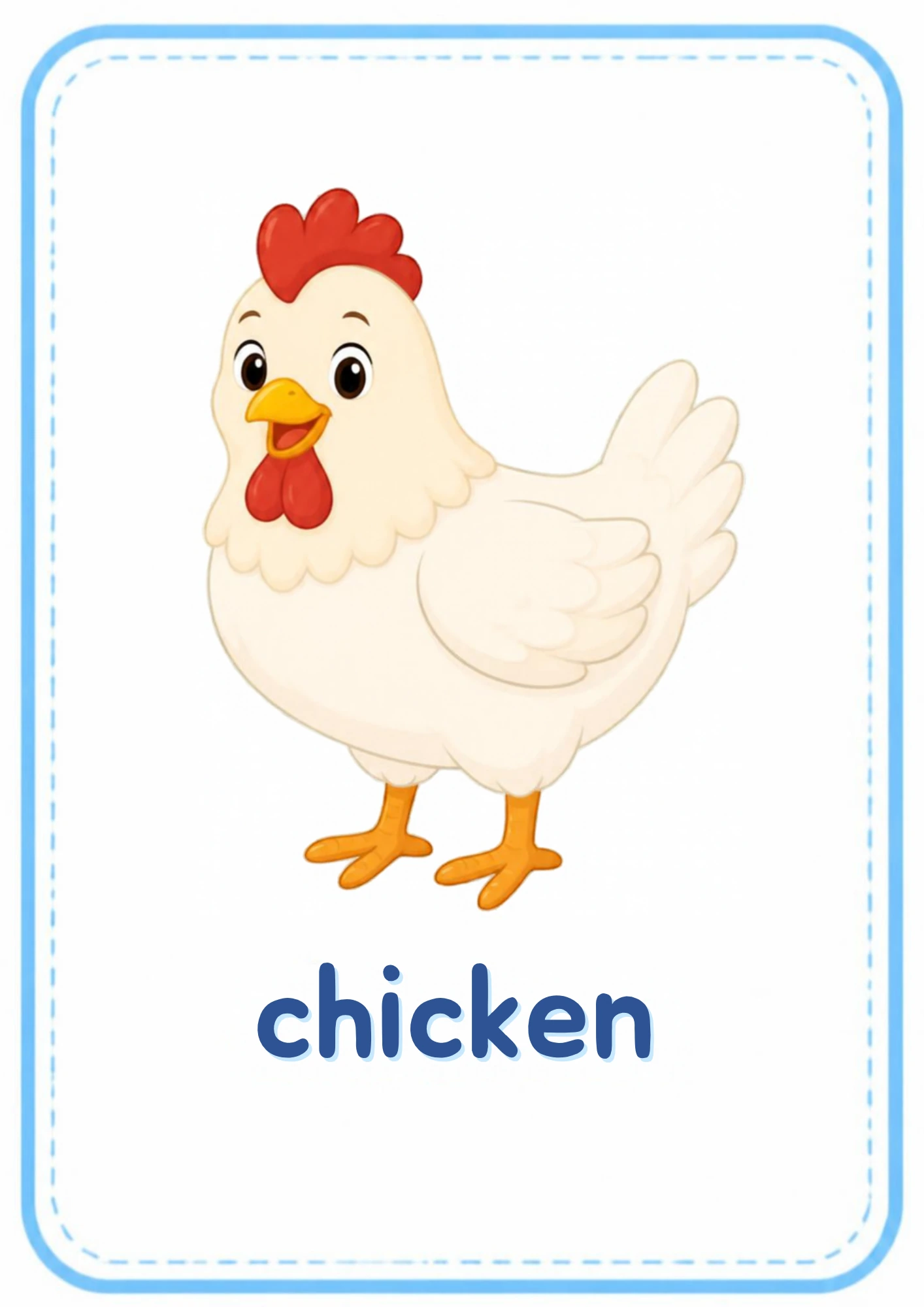
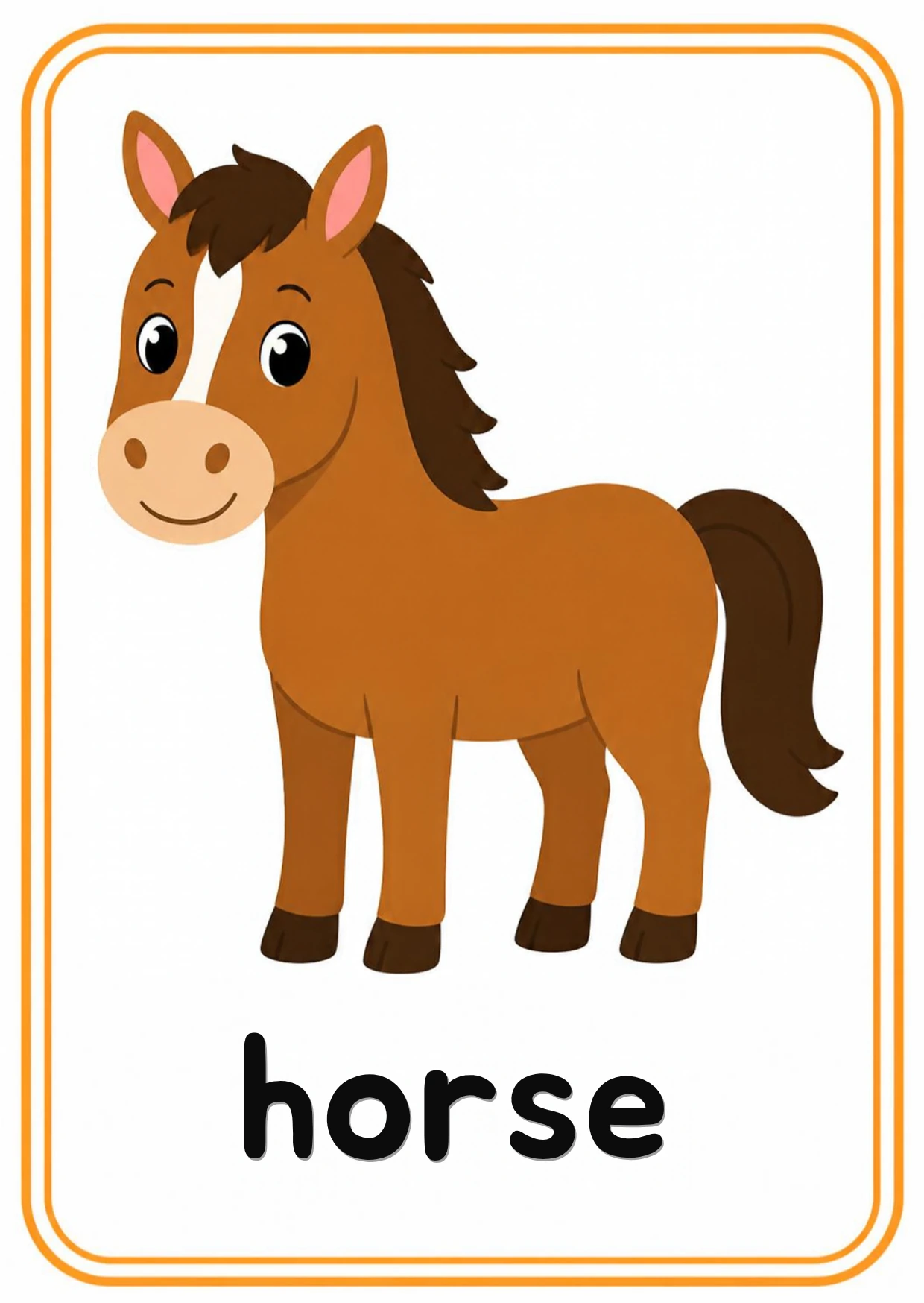
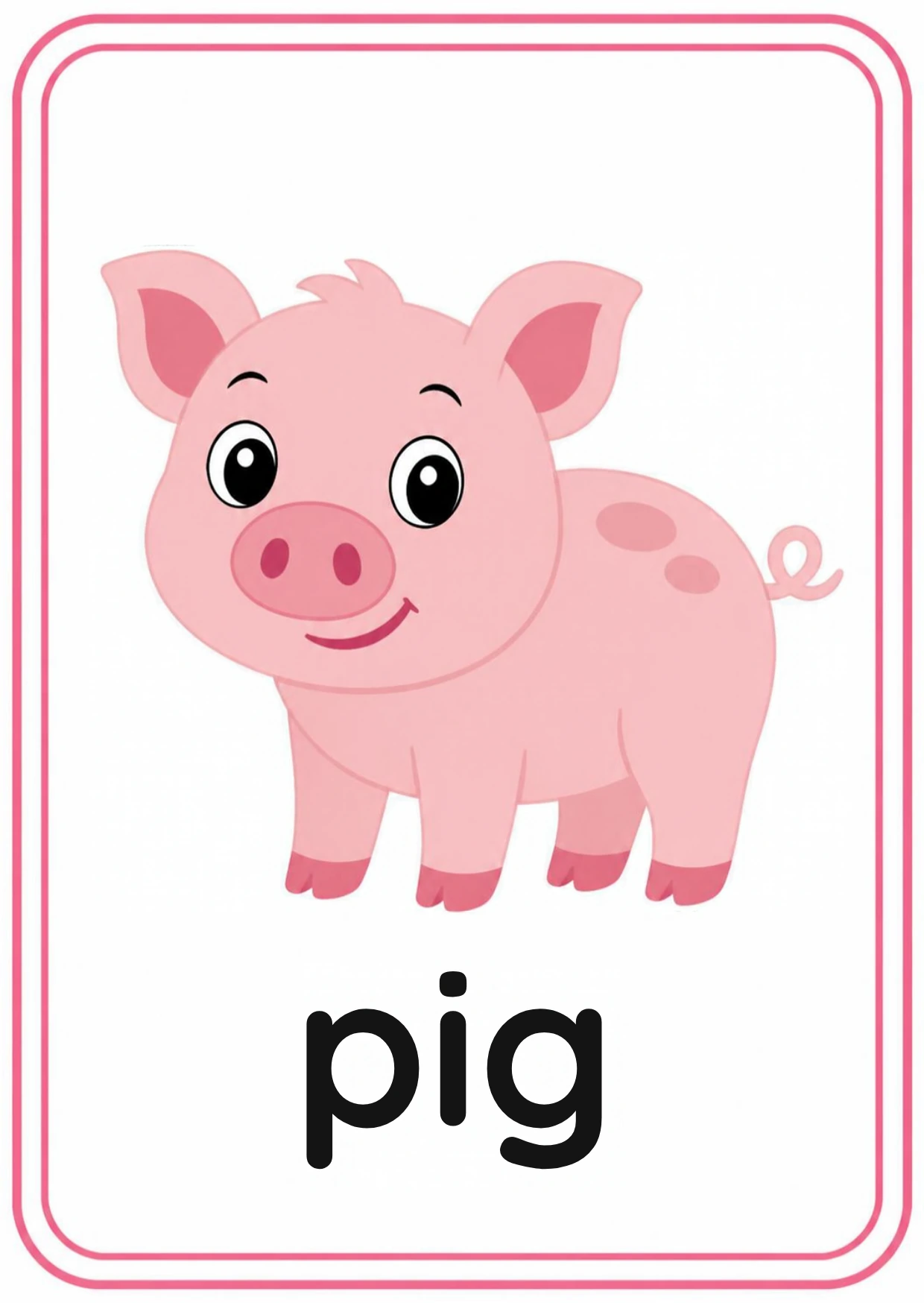
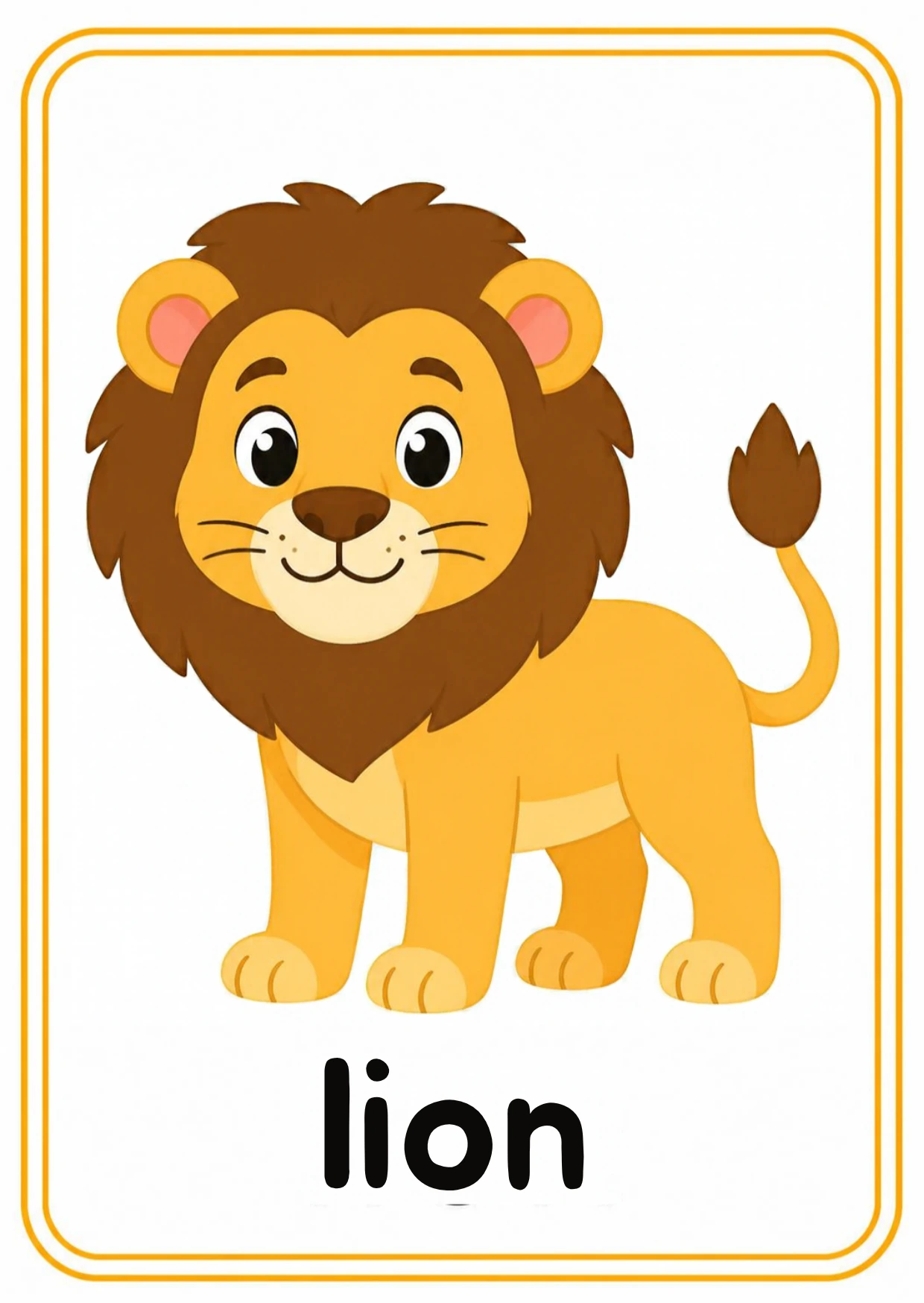
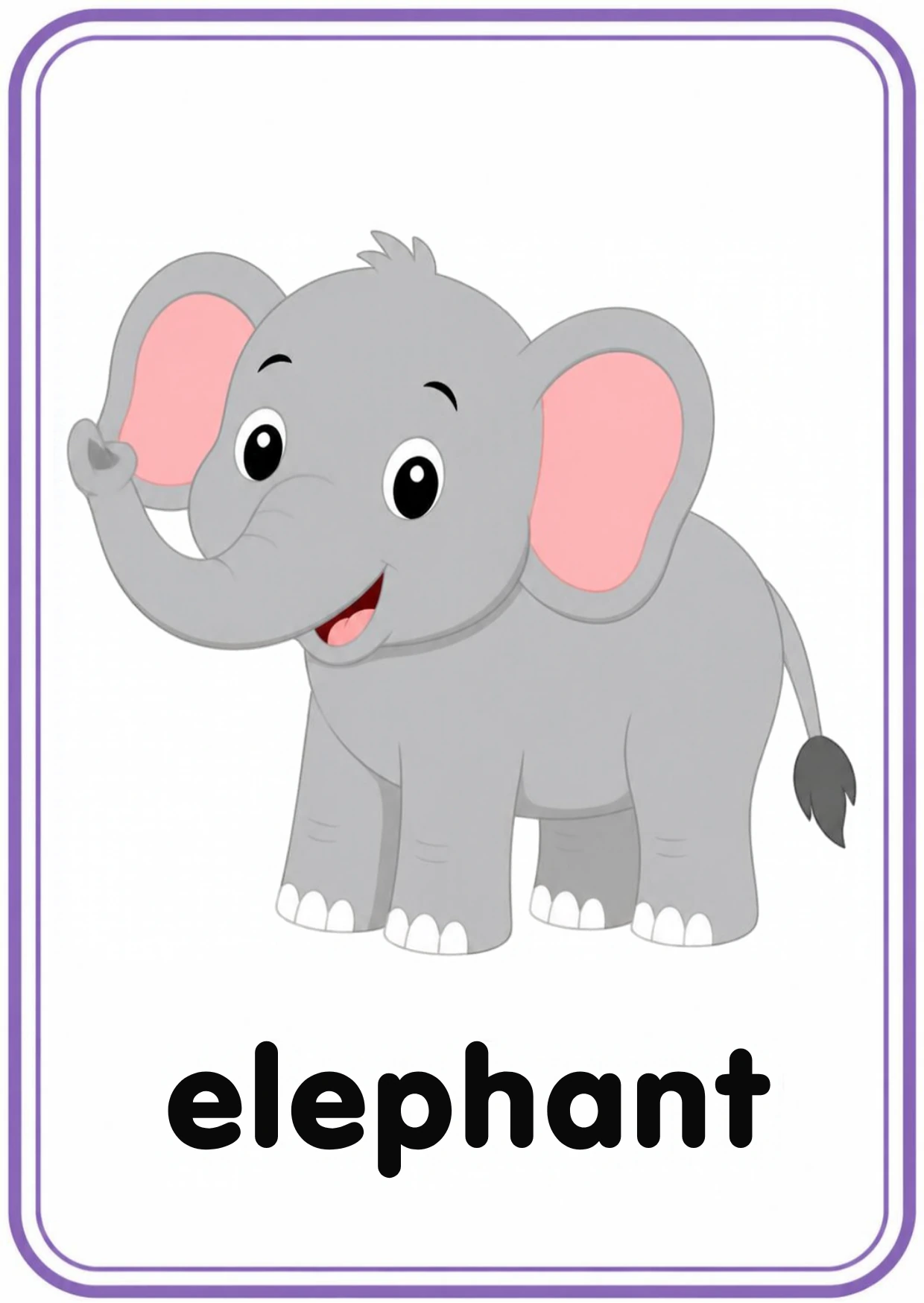
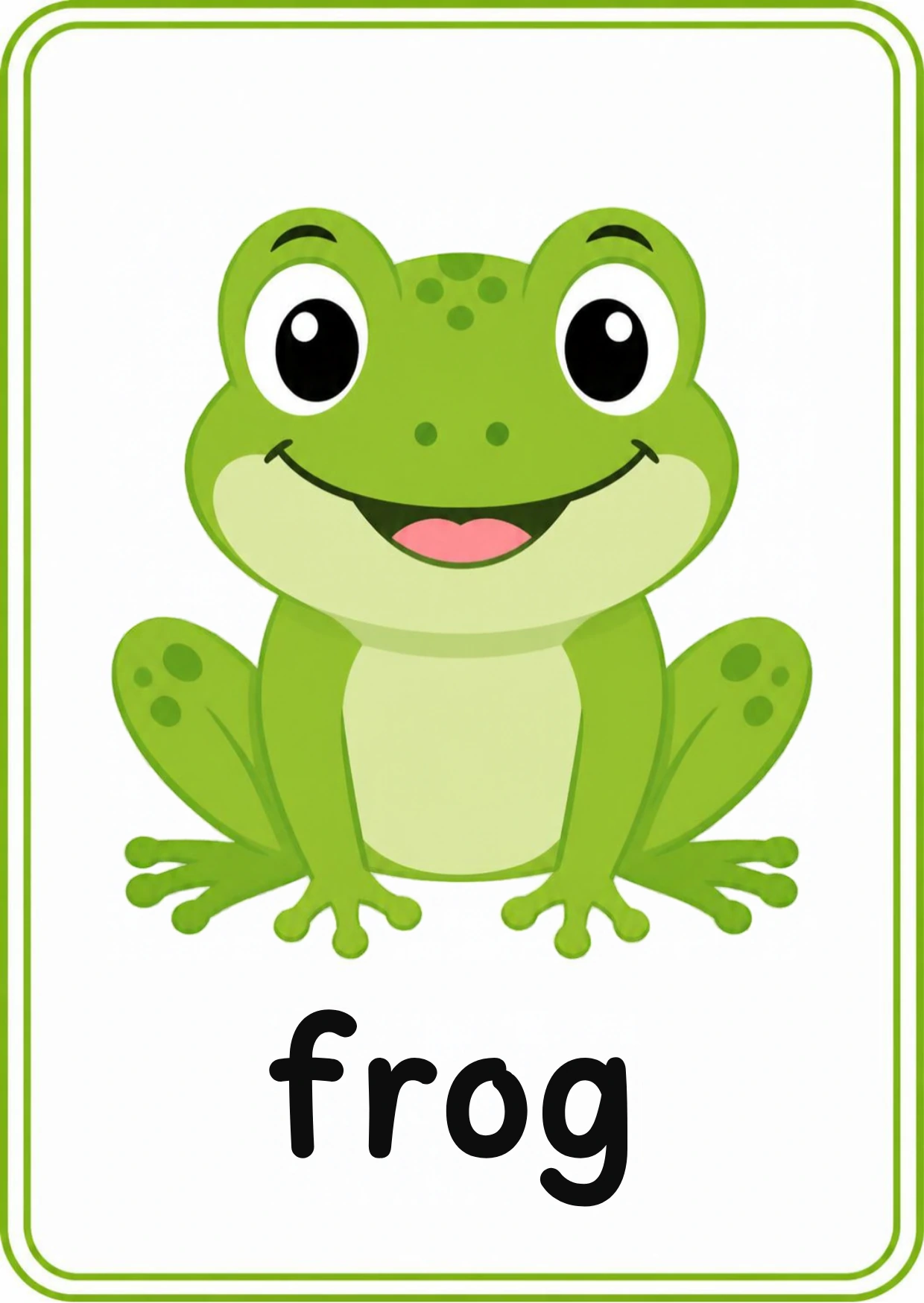
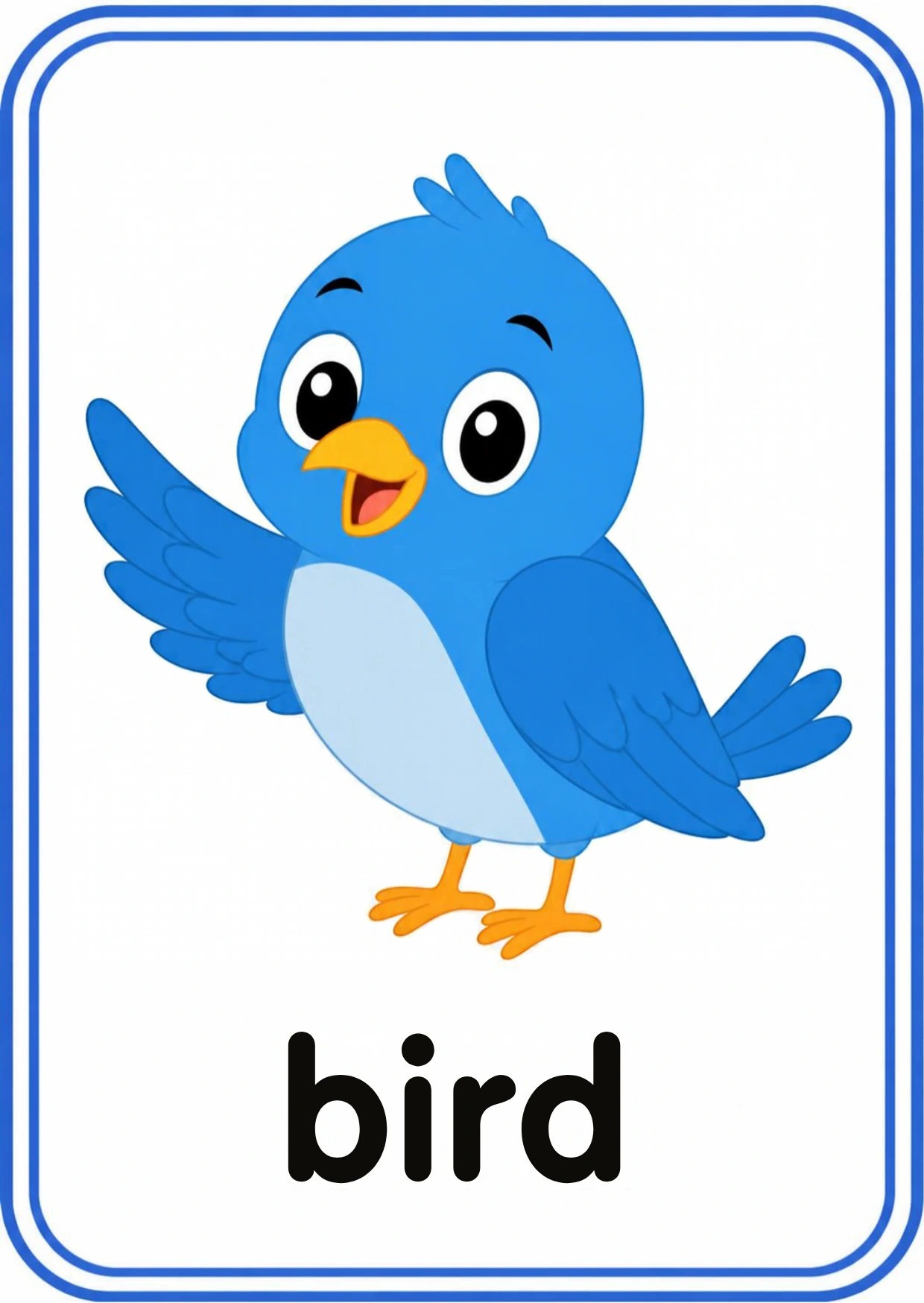
Twelve animal friends on twelve picture cards — a dog, a cat, a cow, a sheep, a duck, a chicken, a horse, a pig, a lion, an elephant, a frog and a bird. Hear real animal sounds, guess who is hiding behind each one, match animals to their voices and take the whole farmyard off screen: this class follows Opposites & Comparing on the preschool path.
Animal sounds are the first words many children read — a woof or a moo is a word your child can say perfectly, right now. Say every sound together, make them loud and make them silly, and let the animal do the talking.
Start Today’s Class ↓Grown-up nearby, little one on the lap or stomping like an elephant — both work.
TODAY’S CLASS
How today’s class works.
Five little steps, in any order that suits you: a welcome from your teacher, the animal cards, real sounds to hear, solving the animal sheets together, off-screen play, and a warm goodbye. Stop after any step — that is a complete class, and there is never a score at the end.
1 Teacher welcome
2 Meet the animals
3 Listen: hear the sounds
4 Solve the sheets
5 Take it off screen
6 Class complete
TEACHER WELCOME
“Hello, my friend — and hello to you, grown-up helper! Today the classroom is a barnyard: we will meet twelve animal friends, listen to their real sounds and make every single one of them ourselves. Woof, moo, roar — ready when you are!”
— Your Kiddo School teacher
Begin the class ↓First stop: the animal cards. Or jump straight to the sounds below.
MEET THE ANIMALS
Twelve animal friends.
Say each animal’s name as it arrives, then make its sound together — any version your child likes is the right version. Use the arrows to wander, or simply scroll: all twelve cards are below.
Farm friends first: woof, meow, moo, baa, quack, cluck, neigh, oink — the sounds that happen at a farm, all day long.
Wild ones next: roar, trumpet, ribbit and tweet — big voices from the jungle, the pond and the trees outside your window.
LISTEN · HEAR THE SOUNDS
Press play, then press it again.
These are real animal sounds. Tap play, listen together, then say the sound in your own voice — your voice is the one your child is learning from, so make it big. Play it again and again; repetition is the whole game.
Dog
Cat
Cow
Sheep
Chicken
Horse
Pig
Lion
Bird
Duck, elephant and frog are on the cards above, and their recordings are on the way — until then, you make the quack, the trumpet and the ribbit yourselves. You are probably better at it anyway.
SOLVE THE SHEETS — ON PAPER OR ON SCREEN
Solve the animal sheets together.
The twelve animal cards print two to a page, straight from your browser. Printed, cut and named, they are the class’s real worksheets — and on screen, every card page can be drawn on directly.
01
Print the cards
Open the printable cards and print all twelve, two to a page. Cut them out together, naming each animal as it is cut.
02
Say the sound
Hold up a card, make its sound — woof, moo, tweet — then wait for your child’s turn. Any attempt counts, and silliness counts double.
03
Act the animal out
Walk like a dog, waddle like a duck, stomp like an elephant. Guessing from a movement is the game, and the whole room can play.
04
Match card to world
Lay three cards on the table and find their twins in an animal book. Then color a favourite card on its page with the Write & Color layer.
Every card page has a Write & Color layer: your child can draw right on the card with a finger, a stylus or the mouse, then save the finished work. Nothing is uploaded anywhere.
OFF-SCREEN PLAY
Be the animal.
Animal sounds are made for away-from-screen play: loud, physical and impossible to get wrong. Pick one of these — two minutes is plenty — and follow your child’s lead.
Old MacDonald, live from your kitchen
Pick any three animals from the cards and sing their verse: “Old MacDonald had a farm — and on that farm he had a… dog!” Your child picks the next animal and supplies the sound.
Move like the animal
Draw a card and move like the picture: gallop like the horse, waddle like the duck, prowl like the lion, hop like the frog. You take turns calling the animal; the other one moves.
Sound walk
On the way to school or the shops, listen for real animals — a dog on a porch, birds in the trees. Say the animal word and its sound together each time you spot one.
Zoo box guess
Put two or three animal toys (or drawn cards) in a box. One of you hides an animal and makes its sound; the other reaches in and finds the right one by ear.
Stay close, keep it playful and stop while it is still fun. There is nothing to finish here.
PRINT THE CARDS
Take the animals to the kitchen table.
All twelve cards print two to a page, in card order, straight from your browser — no PDF, nothing to install. Cut them out and the whole set plays on the table.
Printed cards love fridges, bedroom doors and kitchen tables. The same cards also live in the flashcards library, each with its own page.
TEACHER NOTE
One last word from class.
“What a noisy, wonderful class! Your child heard real animals and answered every one of them in their own voice — that back-and-forth IS the lesson. Keep the sounds alive on your walks: a dog, a bird, a cow behind a fence. See you in class!”
— Your Kiddo School teacher
A NOTE FROM THE PRINCIPAL
For the grown-ups.
Sound play is language practice wearing a costume: every woof your child makes exercises the same listening, breath control and word-making skills that sentences need later. If your child repeats one sound forty times, that is not a hiccup — that is the lesson working. The recordings here are real animals, but your voice is the one that counts: play the sound once, then answer it in your own voice so your child can copy a human.
The animals from this class are waiting at the playground. Animal Sound Safari lets your child tap six animal friends to hear their sounds (the same real recordings as this class), guess who made a sound, find the right animal and copy their gentle moves.
Whether you met two animals or all twelve, that was the whole class — and stopping early is always allowed. The sounds will be right here, and so will the match board, whenever you come back. The animal voices are already busy in your house: at the window, in the bath, in every storybook.
Play the sound once, then answer it yourself: the recording catches attention, your voice teaches. Say the animal’s name and its sound together — “dog… woof!” — and give your child the tap in every game, even when the answer looks obvious to you. The finger teaches the ear.
Then hand the class over: your child presses play and YOU guess. Getting one wrong on purpose — “a cow says tweet!” — keeps the game alive for weeks, and being the quiz master is powerful practice for a three-year-old.
Age 3 is a guide, not a deadline. If today’s class was one big woof and one bigger roar, today’s class was a success.
FAMILY FEEDBACK
How was this activity?
Your feedback helps us make Kiddo School better. This is feedback about the activity, for the grown-ups who make it — it is never about a child.
Comments from our school community
FLASHCARDS
Prefer printed cards?
The cards from this class also live in the flashcards library — every card has its own page with the picture, the words to say together and a download button, ready for away-from-screen time.



Comments from our school community