
Empty — a step-by-step lesson for grown-up and child
This lesson tips the pair upside down: after full comes empty, taught with a dramatic pour, an empty cup held upside down, and the refilling that makes both words true in turn.
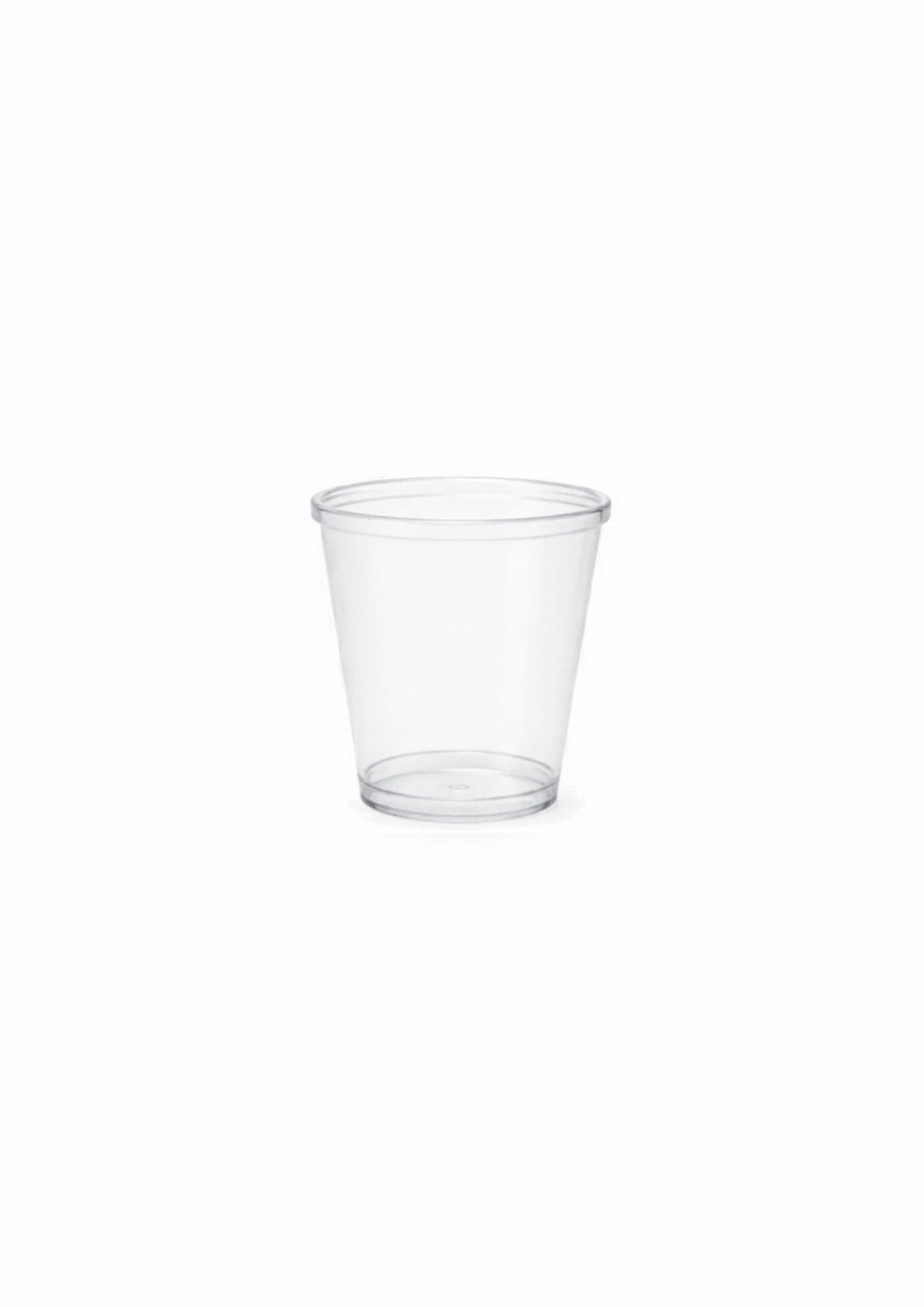
What is this?
Empty is a state word — the container with nothing left inside. The card shows an empty container, and your toddler can make one in three seconds flat, with sound effects.
What does it mean?
All-gone tends to be a toddler’s first take on empty, and it arrives with real feeling: empty is where the snack went. The word gives the gone a shape, and the refill proves states come back.
What does the child need to know?
Expect a dramatic tip-out, an announced ahh-gone or ehm-ty, or an upside-down cup displayed at eye level — all are answers. The pour is the lesson; the word is the commentary.
Why this matters
Empties happen daily and demand attention: the finished bowl, the box at the bottom, the cup at the end. A word for the aftermath turns every finished thing into a small ceremony.
What it teaches
State vocabulary on the second pole, dumping-and-filling play, and the first hint that states reverse — full comes back, empty goes away, and both have words.
Words to learn
emptygonetippouroutcup
Say this to your child
“"Empty! Tip it out — pshhh — all gone! The cup is empty. Look inside… nothing there! Empty! Now fill it up again… full! And empty! Full, empty, full, empty — you can make it happen either way."”
Step by step
- Show the full card for one beat — full! — then the empty card, and hold the card upside down to show nothing falls out: empty.
- Tip the real cup: pour the rice out slowly into the bowl and say the state change out loud — it was full… now it is empty! All gone.
- Hold the empty cup upside down together: look — nothing in there! Empty! Let your toddler check inside, just to be sure.
- Refill and repeat: full! … empty! … full! The switch is the game, and the pouring is the motor-skill bonus nobody mentions.
- Name the day’s real empties: the bowl after breakfast, the block box tipped out, the bath at the end. Empty gets said at every finish line.
Look closer at the picture
The card shows an empty container demonstrating the concept empty for toddlers — one container with nothing left inside. Ask your toddler to point at it, then to look inside their own cup and report.
Ask your child
"Where is the empty cup?" "Can you tip it out?" "Is it full or empty?" "Where did everything go?"
What your child can say or do
A triumphant dump, all-gone delivered with both arms out, or ehm-ty aimed at the upturned cup — all are the word arriving. Some toddlers check the cup twice for missing contents; the double-check is honest science.
Out in the real world
Empties mark the day’s finish lines: the empty plate, the empty bath, the empty bag at the shops. Name them warmly and every ending gains a word.
Try it together
Fill-and-spill: one basket, one pile of blocks — fill it high (full!) and tip it low (empty!), again and again. The game is the pair in physical form, and the tidying is suspiciously built in.
Understanding check
Show both cards and ask for empty. A point, a dump, or an all-gone with open arms all pass. Then watch the next meal finish — an announced empty at the clean bowl means the word works without the cards.
Parent tips
Honour all-gone as true speech — it is empty in toddler grammar, and both are welcome. Keep the refill close behind the tip-out; states that return are states that make sense.
Staying safe
The dumping is real and so is the debris: rice, blocks and water all become floor hazards the second after the lesson, and a runner on a wet floor is a slipping hazard. Sweep at once; the game keeps better than the floor does.
This lesson pairs with the Empty flashcard in the library — print it, show it, keep it on the fridge. Back to First Concepts (Toddler 2).