
Many — a step-by-step lesson for grown-up and child
This lesson finishes the number pair with the crowd scene: many. One block stands alone, the rest pile up together, and your toddler’s arms learn to say the difference before their mouth does.
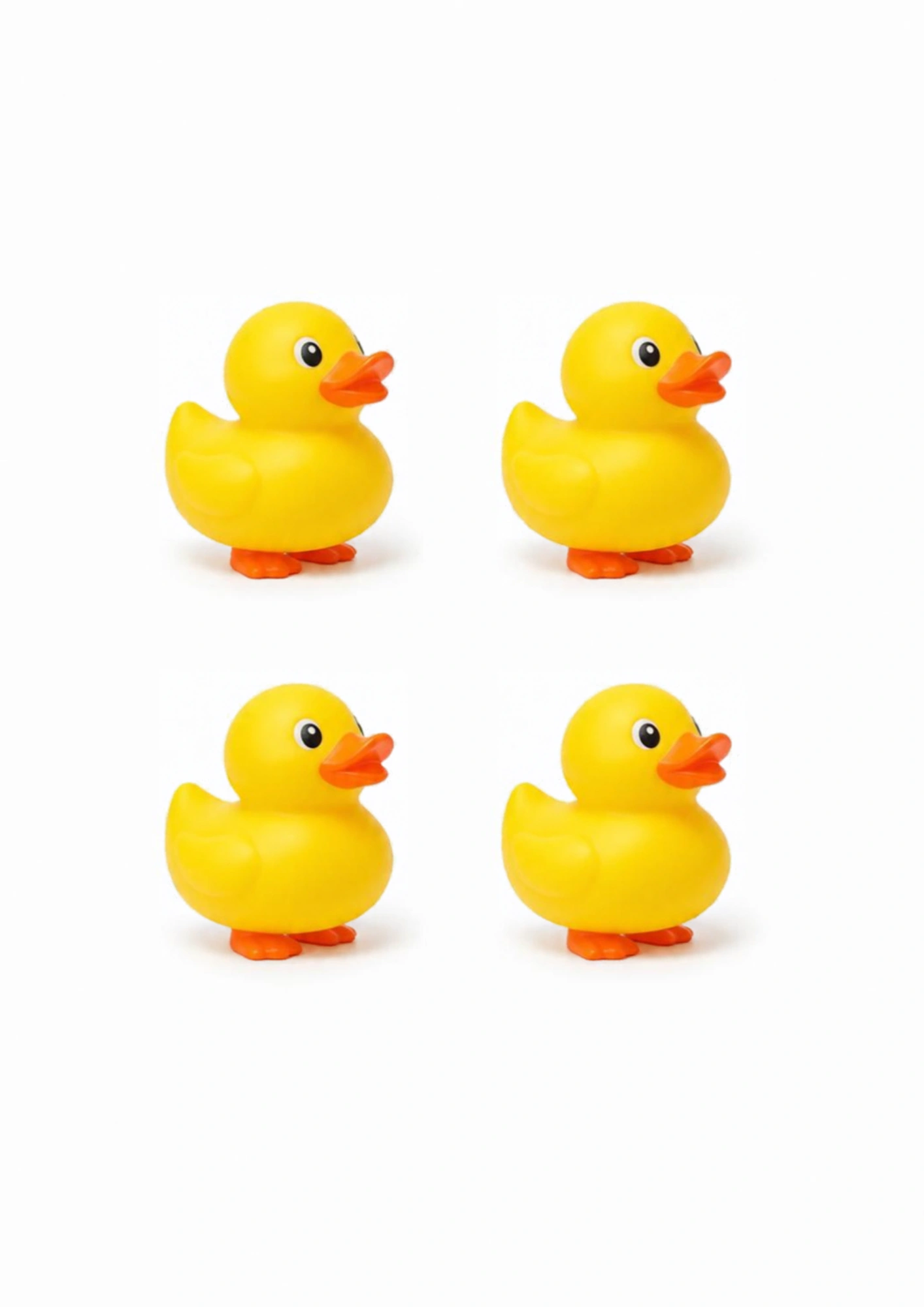
What is this?
Many means more than one — lots, a handful, a whole crowd. The card shows multiple objects together, and the contrast with the one card is what makes the idea legible.
What does it mean?
Many is a comparison wearing a number’s clothes: the pile only reads as many because one stood alone first. Real counting can wait a year — more-than-one is the whole idea, and it is a big one.
What does the child need to know?
Expect both arms flung wide, a vigorous muh-nee, or a grab of the whole pile at once — all are answers. Counting together aloud is optional garnish; many as more-than-one is the meal.
Why this matters
Many shows up wherever toddlers hoard: the block box, the cracker crumbs, the bath toys. A word for the crowd names a daily joy — and pairs with one so both keep their edges.
What it teaches
Quantity contrast, gesture-symbols for amount (finger versus arms-wide), and early comparison language — pre-counting skills built on piles.
Words to learn
manylotsmorehandfulcrowdplenty
Say this to your child
“"Many! Look at all of them — so many! One finger for one… both arms for many! Here is one block… and here are — many blocks! Drop them — ohh, so many! Many means lots and lots."”
Step by step
- Show the one card — one finger — then the many card, and fling both arms wide: so many! The gesture switch is the lesson’s first beat.
- Split them for real: one block here, the rest of the pile there. Point at each side: one… many! Let the contrast do the explaining.
- Count a little together, out loud and unhurried: one, two, three… and finish with a sweep of the arm — many! The count is garnish; the sweep is the point.
- Drop the pile: lift the many handful high and let it clatter down — the noise says many all by itself, and the giggles seal the word.
- Name the day’s crowds: many ducks, many crumbs, many cars at the window. Many is the word for abundance, and toddler life is abundant.
Look closer at the picture
The card shows multiple objects demonstrating the concept many for toddlers — a crowd of things, packed together. Ask your toddler to spread their arms wide like the crowd, then to point at each object in turn.
Ask your child
"Where are the many things?" "Can you show me many arms?" "Is this one or many?" "What else is there lots of?"
What your child can say or do
Both arms wide is the answer, often with the whole body joining. Muh! or mah-nee arrives with practice; a two-fisted grab of the entire pile is many in its most sincere form.
Out in the real world
Crowds gather everywhere toddlers look: pigeons on the path, ducks on the pond, biscuits left unattended. Many gets said at each gathering and the word feeds on abundance.
Try it together
One-or-many: hold up blocks one at a time (one!) then suddenly a whole fistful (many!) — your toddler’s arms tell you which is which. Swap roles and let them surprise you; surprise fistfuls are the funniest many there is.
Understanding check
Show both cards and ask for many. Arms-wide, a point at the crowd, or a grab-at-the-pile all pass. Then set out one block and a small heap: a correct gesture for each means the contrast is truly installed.
Parent tips
Keep the gesture pair sacred — one finger, two arms — because the body carries the number until the words catch up. Do not expect real counting; many means lots rather than one, and that is plenty of idea for now.
Staying safe
The pile-drop happens on the rug with soft blocks, away from toes and furniture edges. Fistfuls go in mouths at this age — blocks stay big, sweeps stay quick, and the floor gets cleared while the giggles are still going.
This lesson pairs with the Many flashcard in the library — print it, show it, keep it on the fridge. Back to First Concepts (Toddler 2).