
Open — a step-by-step lesson for grown-up and child
This lesson opens the second pair with a gesture every toddler can master on the spot: hands unfolding like a flower. Then the real thing — a box, a lid — makes the word do actual work.
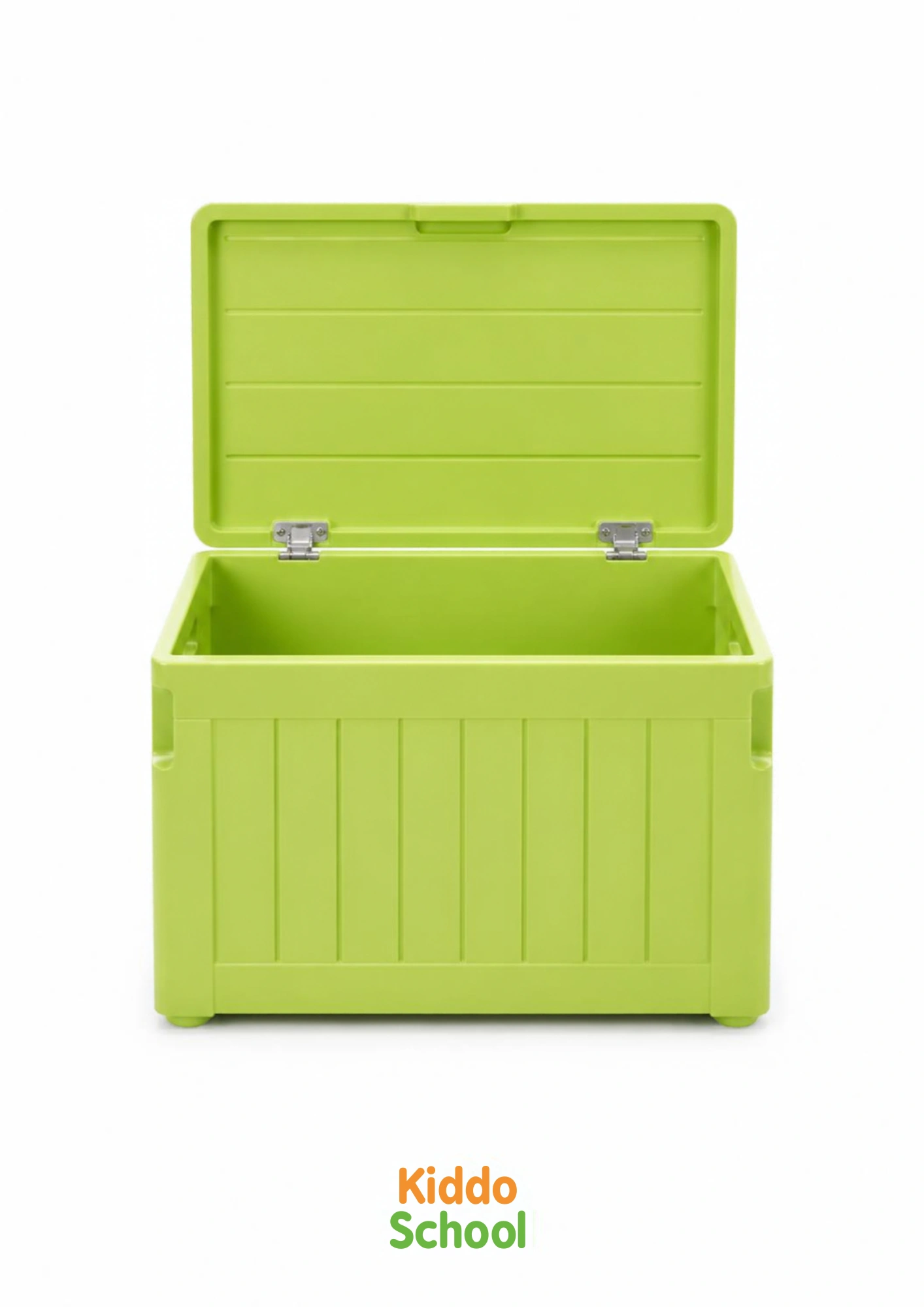
What is this?
Open is an action word — the state of every door, lid and book that is ready to be used. The card shows an open object, and your hands can show it too, unfolding from fists.
What does it mean?
Open is one of the first state words toddlers use correctly, because they request it constantly: open means access, and access means the world. The word pays off the moment it is said.
What does the child need to know?
Expect unfolding hands, an insistent oh-pen!, or a box offered to you to open — all are answers, and the box-request is the word doing its real job.
Why this matters
Open moments are everywhere and always welcome: the biscuit tin, the book, the garden door. A word that unlocks things gets rehearsed with genuine enthusiasm.
What it teaches
Action vocabulary, hand-fine-motor work in the unfolding, and state-words — the difference between how things are and how they could be.
Words to learn
openwideunfoldliddoorbook
Say this to your child
“"Open! Watch my hands — closed tight… and open! Like a flower. Can you do it? Squeeze… open! Now the box: can you open the box? Open! Look what is inside. Open means we can start."”
Step by step
- Show the card and unfold your closed fists slowly, like a flower opening: ooo-pen. Let the hands do the talking.
- Invite the copy: can you open your hands? Squeeze shut, then open wide — the switch is the fun part, and faces can play too.
- Bring a real box: can you open it? Help if needed, and say the word at the exact moment the lid comes free — open!
- Open a book together and name it there too: open the book — look, the story is open! Every kind of open counts.
- Say the word at every real unlock this week: the door, the fridge, the zip. The word should arrive just before the world does.
Look closer at the picture
The card shows an open object demonstrating the concept open for toddlers — one thing with its opening showing. Ask your toddler to point at it, then to open their own hands wide like it.
Ask your child
"Can you open your hands?" "Can you open the box?" "Where did it open?" "What shall we open next?"
What your child can say or do
Unfolding fists, an eager oh-pen! aimed at a locked cupboard, or a box thrust into your arms — all are the word working. Expect open to become a general request for access; that is correct usage, generously interpreted.
Out in the real world
Opens run through the whole day: the car door, the lunchbox, the front door after nursery. Say the word each time and the daily unlocking becomes a rolling lesson.
Try it together
Flower hands: fists closed like buds, unfolding to blooms on the word open — then close again for closed, which is coming next on the cards. The flower game is the pair’s warm-up act.
Understanding check
Hold up the open card and ask what it says. An open! with unfolding hands passes. Then present a closed box — a correct open-request means the word has attached to its real power.
Parent tips
Unfold slowly — the slow bloom is what makes the gesture readable. Grant the real opens generously when safe; a word this useful deserves to succeed often, and closed things stay closed when you say so.
Staying safe
Open ambitions outrun open permissions: cupboard locks, gate latches and medicine lids exist for good reasons, so the lesson uses the boxes and books you choose. Grown-up hands open what grown-ups keep shut.
This lesson pairs with the Open flashcard in the library — print it, show it, keep it on the fridge. Back to First Concepts (Toddler 2).