
Rectangle — a step-by-step lesson for grown-up and child
This lesson stretches the square into the rectangle: side by side on the floor, long sides and short, with the front door as the giant example your toddler touches daily.
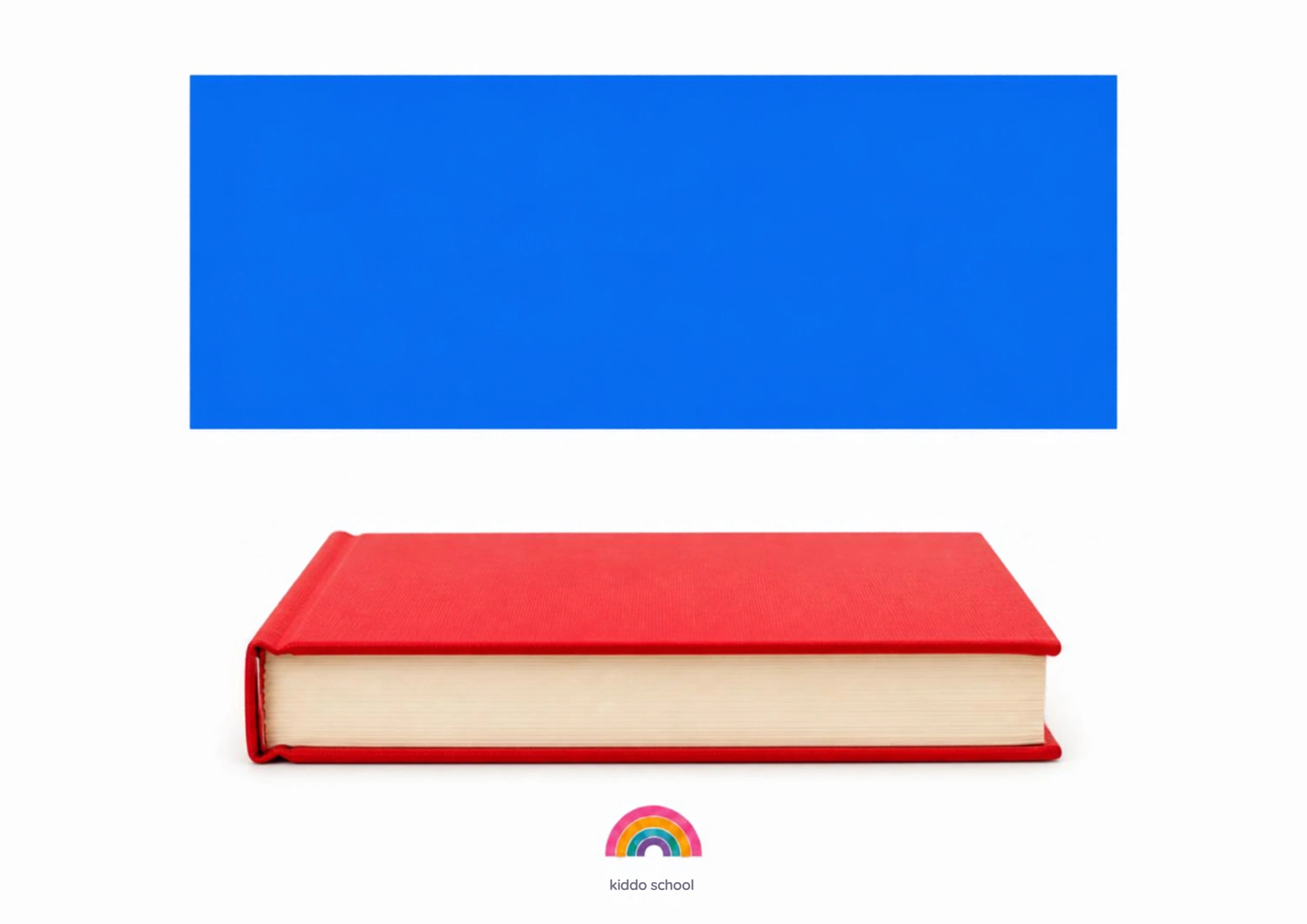
What is this?
A rectangle is a shape with four sides — two long ones and two short ones — like a square that has been gently pulled. The card is one, edge to edge.
What does it mean?
Short-short-long-long is the rectangle’s rhythm: the shape teaches comparing lengths before it teaches its name. The comparison is the lesson; the label arrives when ready.
What does the child need to know?
Rectangle is a mouthful, and long square is a friendly toddler-sized stand-in that is completely honest. Both get said; nobody is corrected.
Why this matters
Doors, tables, books and screens make the rectangle the most-touched shape of the day — the front door alone is a life-sized flashcard opened ten times daily.
What it teaches
Length comparison (long and short), side-counting that extends the corner habit, and honest interim vocabulary that keeps the game moving before the word matures.
Words to learn
rectanglelongshortdoorsidesstretch
Say this to your child
“"Rectangle — a long square! Look: two short sides, two long sides. Can you trace them? Short, short… long, long. Now the door — a giant rectangle! You walk through it every day."”
Step by step
- Show the card and say rectangle — then long square, so both names are on the table from the start.
- Lay the square card and the rectangle card side by side and trace both: short-short here, looong there. Say it as a rhythm.
- Trace the front door’s frame with your toddler — the giant rectangle they walk through all day, now with a name.
- Hunt rectangles in the room: books, table tops, the screen you are not watching. Count four sides at each find, long and short.
- Keep the pair of cards together all week; the stretched square teaches the rectangle better than any single card could.
Look closer at the picture
This card is the rectangle card — one four-sided shape filling the picture, with the word rectangle printed for toddlers. Ask your child to trace the long side, then the short.
Ask your child
"What shape is this card?" "Which sides are long?" "Is a rectangle a stretched square?" "Where is the biggest rectangle in our house?"
What your child can say or do
"Long square!" delivered as a complete description — take it as a win, because it is. Some toddlers will pat the front door solemnly on the way past all week; the giant example stuck.
Out in the real world
Doors, books, tables, screens, biscuit tins and envelopes — rectangles own the house. The book cover is the pocket-sized version your toddler already handles hourly.
Try it together
Long-and-short sorting: lay out crayons, blocks and spoons and sort each row into long things and short things. The rectangle’s secret idea — lengths differ — practised on real objects.
Understanding check
Ask what the shape is and what happens if you stretch a square. A rectangle, a long square, or both passes. A traced doorframe on the way out is the pass with honours.
Parent tips
Say both names warmly and let long square carry the meaning until rectangle grows in — nobody fails a shape test at two. The rhythm short-short-long-long is worth chanting; rhythm is memory.
Staying safe
Doorframe tracing walks your toddler past hinges and edges — fingers trace, shoulders stay clear, and the door stays still while it is being measured by a small hand.
This lesson pairs with the Rectangle flashcard in the library — print it, show it, keep it on the fridge. Back to Colors & Shapes (Toddler 3).