

Bird — a step-by-step lesson for grown-up and child
Birds catch baby eyes before any other wild creature: they move fast, they move often, and they move for free outside every window. This lesson attaches their name to the show.
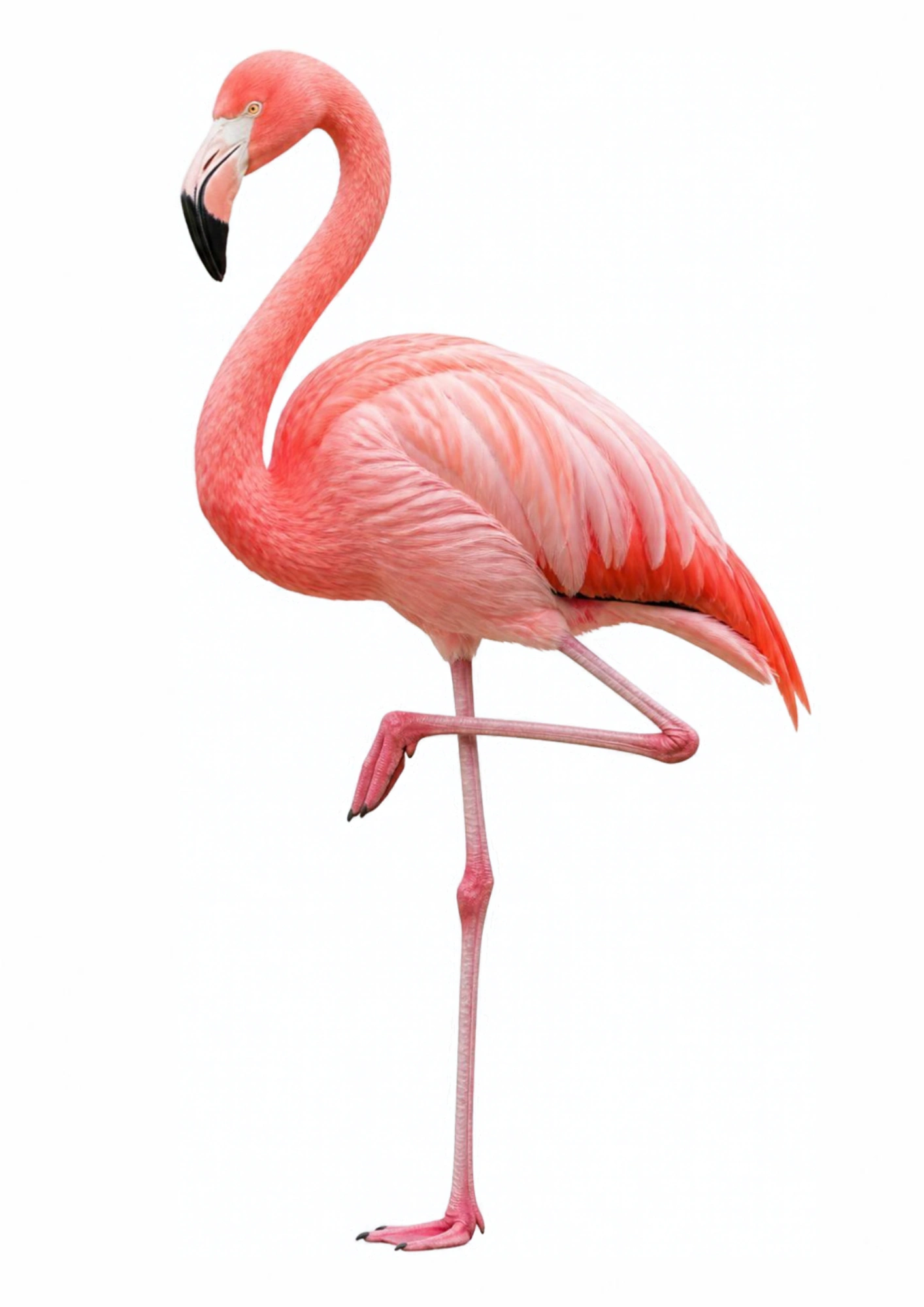
What is this?
A bird is a small feathered animal that flies, hops and cheeps. The card holds one still; the window cannot hold one at all — and that difference is exactly what makes the word worth learning from both.
What does it mean?
Bird comes pre-loaded with motion, and motion is what this stage’s eyes are built to catch. Naming a bird at the moment it moves welds the word to the event — the strongest kind of vocabulary there is, because the thing and the name arrive together.
What does the child need to know?
The method runs in two places: the card for the clear portrait, then the window for the live show. One real bird, named once as it flies, outweighs any number of rounds at the card. Birds also sing — the tweet is yours to add, and it belongs to the card session.
Why this matters
Window words are a baby’s first reach beyond the grabbable world: birds, sun, cars, trees — things too far away to hold. Learning bird means learning that language covers the out-there, which quietly changes what all future looking is for.
What it teaches
Motion tracking at distance, word-event association, sound exposure through the tweet, and shared attention — the two of you watching one small event and both knowing it.
Words to learn
birdflytweetwingsskyquick
Say this to your child
““Bird! Here is the picture bird — wings ready, tail out. A bird goes tweet, tweet! And now look outside... up on the branch, across the sky. Birds fly out there, fast as thoughts. When you see one, that is the bird word.””
Step by step
- Show the card at viewing distance and name it: “Bird! A little bird with quick wings.”
- Trace the wing and flap your hand gently — birds are essentially their flying.
- Add the tweet: two light rising notes, nothing loud. Then a beat of quiet for your baby’s side.
- Move to the window, baby settled against you, and watch together without narrating — the quiet is the stage.
- The moment a bird moves, say “bird” once. One word per event; the restraint is what keeps the word rare and valuable.
Look closer at the picture
The artwork is a bright little bird in bold simple shape — say that much. The live noticing: what does your baby track at the window — birds, leaves, light? Name what they actually follow, not what the lesson hoped for; honesty is what makes noticing real.
Ask your child
Watch the window: does a flying bird beat a still branch for attention? Does the word alone, said indoors later, earn a glance towards the glass? Wonder aloud: “I wonder if you would point at the next one — your finger is getting opinionated lately.”
What your child can say or do
A locked stare on the flying bird, a squeal as it goes, both hands rising towards the glass, or a finger that half-extends towards the branch — the half-point is the milestone in progress, and naming what it aims at is how it finishes forming.
Out in the real world
Birds are the cheapest wild show on earth: the lawn, the wire, the car park, the feeder. One word per sighting, forever — this card pays out for years, and the payout starts the day you learn to wait quietly at glass.
Try it together
Wing-echo: at the card, flap your hands and lift them as you say “fly”. Your baby cannot copy it yet — but the motion-word pair sinks in, and one random Tuesday a flapping baby will prove it landed. That Tuesday is worth the wait.
Understanding check
Parent self-check: did the session actually reach the window, and did you manage one-word-per-bird instead of a running commentary? Scarcity is what makes naming work; narrate everything and the word drowns in the narration.
Parent tips
No birds today? The window still teaches, and the card still holds. Learn your house’s bird hour — most have one — and hold that slot for this lesson. If your baby points at anything out there, that thing gets the word, bird or not.
Staying safe
Window watching happens against your body or a supported seat, never propped at the glass; latches stay locked if small hands are near. Balconies and open sashes are adult territory — the lesson ends where the pane begins.
This lesson pairs with the Bird flashcard in the library — print it, show it, keep it on the fridge. Back to Animals & Everyday Objects (Baby 1).