
Bread — a step-by-step lesson for grown-up and child
Bread is a comfort word: soft, daily and nearly always on the table. This lesson names it where it lives — the kitchen — and lets your toddler’s hands do the remembering.
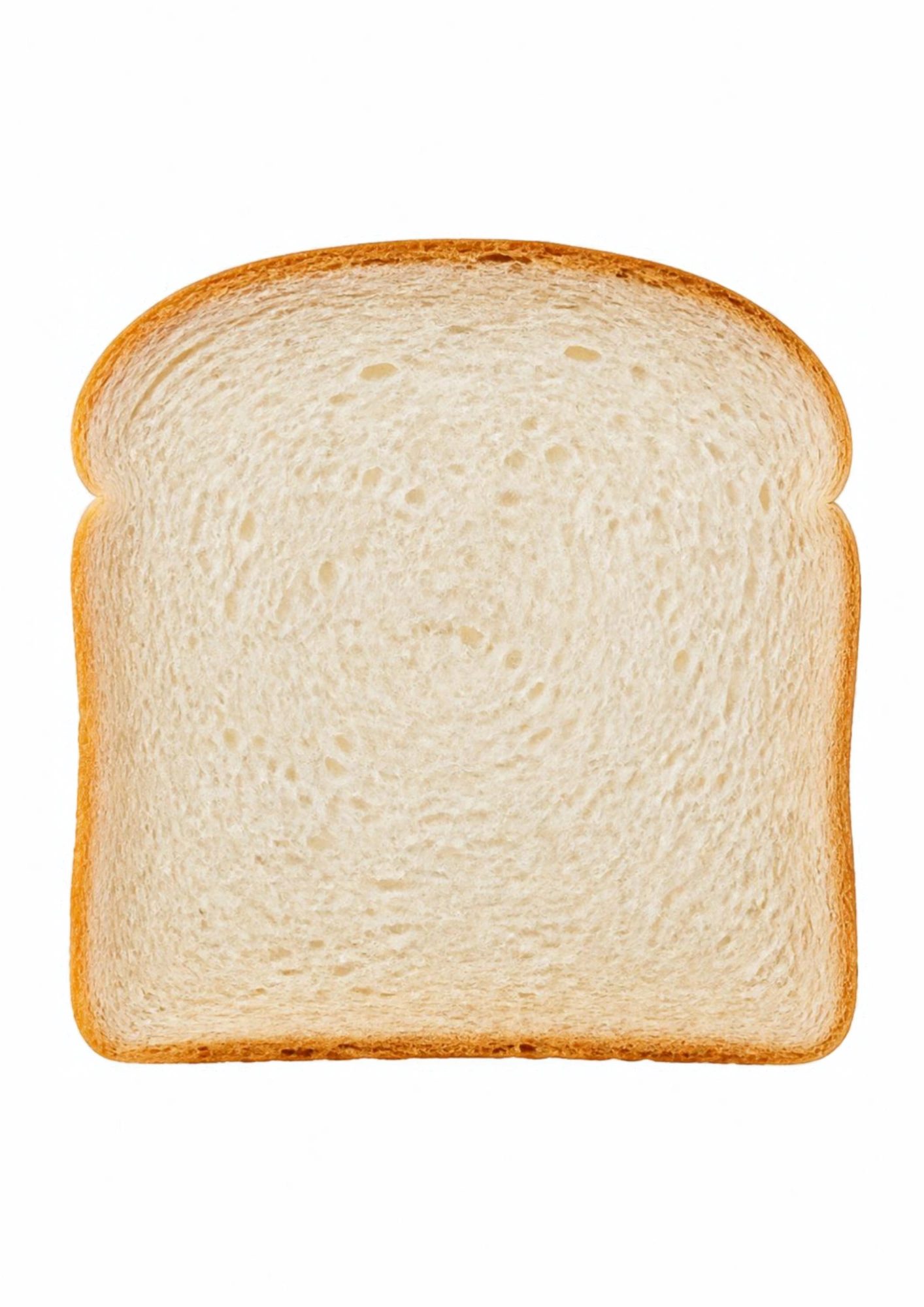
What is this?
Bread is the soft baked staple at most meals — toast at breakfast, sandwiches at lunch, the crust handed over from your plate. The card shows a loaf; the kitchen supplies the real thing several times a day.
What does it mean?
The kitchen is where toddlers gravitate anyway — noise, grown-ups, food — so words learned there collect rehearsals all day long. Naming bread, and the foods beside it, turns a place your toddler loves into the vocabulary room it already is.
What does the child need to know?
Hand over the word with the texture: "Bread. Soft bread." Let your toddler squish a piece — squish counts as research at this age — and name it once at the giving. Texture words arrive free with food words; collect them quietly.
Why this matters
Food words are requested words: they carry wants, which is the strongest engine a first word can have. Bread also travels — the shop, grandma’s house, the café — so the word gets rehearsed far beyond your kitchen.
What it teaches
Food vocabulary through texture and taste, kitchen routine words, sensory language (soft, warm, crusty), and the requesting loop that keeps first words working.
Words to learn
breadsoftcrusttoastcrumbyum
Say this to your child
“"Bread! A loaf of bread, soft and lovely. Here is your piece — feel it, soft, soft. Bite, bite, yum. The crust is crunchy, the middle is soft. Bread at breakfast, bread at lunch — bread is a friend of ours."”
Step by step
- Show the card at a bread moment — while the sandwich is being made, not after the plate is cleared: "Bread. This is bread."
- Offer a piece and name it at the handover: "Bread for you. Soft." The word arrives with the texture already in the fingers.
- Let one honest squish happen — a full experiment — then name it once more: "Bread. Squeezy."
- Point at the card’s loaf, then the real bread, then back: same word, two loaves. Matching play does the rest.
- Keep the crust for the finale — "crust! the bread’s coat" — or let it be the dog’s, but give the ending a word.
Look closer at the picture
The artwork is a loaf of bread, drawn plain and appetising on the card. Name it, then let the real loaf take over — the card cannot be squished, and squishing is how this word gets remembered.
Ask your child
Watch the hands at the handover: squeeze first or bite first, and does the word or a sound arrive with either? Wonder aloud: "I wonder if soft is your favourite kind of word."
What your child can say or do
A squish and a giggle, the word "bread" or "beh" attempted at the counter, the card matched to the toast with a satisfied tap, or bread demanded at every meal for a week by name — fixation is fluency practice, not fussiness.
Out in the real world
Bread runs through the week: the bakery counter, the toast smell in the morning, sandwiches at the park. Every sighting is one word away from a rehearsal — and this word gets a lot of sightings.
Try it together
Bakery game: set out card bread, real bread and a teddy, and let your toddler hand out pieces — "bread for teddy, bread for you". Giving and naming is a complete language workout disguised as lunch.
Understanding check
Parent self-check: did the word arrive with the texture rather than from across the room, and did your toddler get one honest squish? The hands remember what the ears are offered.
Parent tips
Name it at the giving, not on a loop — one word per handover keeps the kitchen calm. If your toddler lives on bread this month, good: repeated words are strong words, and the menu always widens eventually.
Staying safe
Toast crusts and chewy bites need watching teeth and a seated toddler — soft is the rule for new chewers. Keep the card out of the toaster’s neighbourhood; paper and heat have nothing to say to each other.
This lesson pairs with the Bread flashcard in the library — print it, show it, keep it on the fridge. Back to First Words: Food & Home (Toddler 1).