
Same Cups — a step-by-step lesson for grown-up and child
This lesson moves matching into the kitchen, where the cups live: find the pair on the card, then find the pairs in the cupboard and reunite them with a satisfying clink.
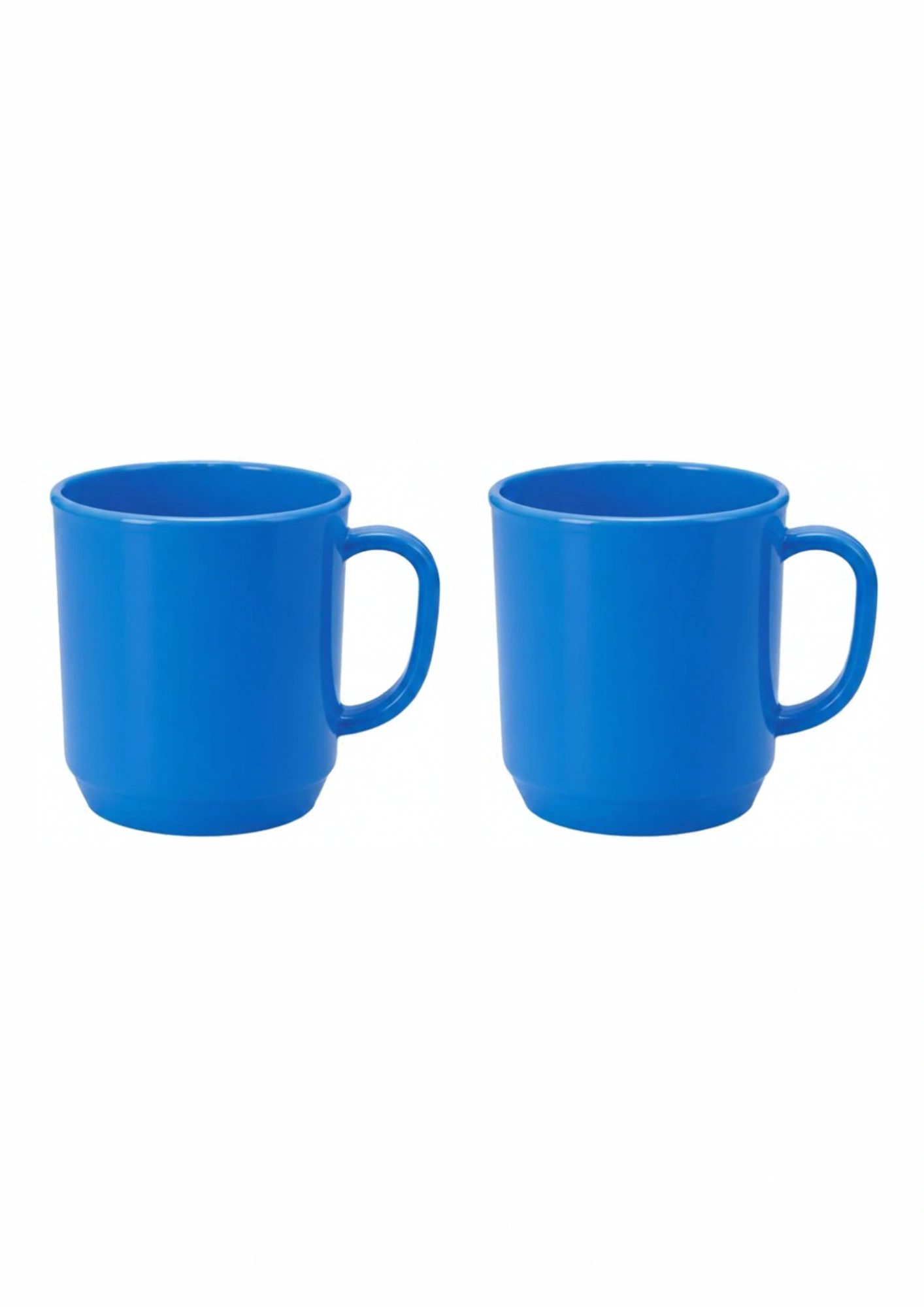
What is this?
Cups are everyday equipment your toddler already handles — which makes two of them the perfect matching material. Same shape, same size, same job: the match is everywhere you look.
What does it mean?
Matching objects your toddler has handled a hundred times is easier than matching pictures alone, and easy wins are what build a thinking habit. The cupboard is the second deck.
What does the child need to know?
The clink is the reward: two cups reunited get to touch, tap and stack. If your toddler matches a cup with a lid instead, say what they found — cup and lid go together too — and steer gently back to twins.
Why this matters
Unloading a cupboard is a matching rally hiding inside a chore. One word — same — turns helping into the lesson and the lesson into helping.
What it teaches
Matching by sight and by hand, hiding-and-reuniting play, and real helping — the confidence that comes from doing a grown-up job with grown-up things.
Words to learn
cupssamematchpairblueclink
Say this to your child
“"Two cups — same! Can you tap them together? Clink! Now let’s find the cups in the cupboard. Two the same… here is one, where is its friend? There! Clink — a match."”
Step by step
- Show the card and let your toddler’s eyes find the pair: two cups — same. Say it once, then wait.
- Ask your toddler to touch each cup in turn, and add the sound effect: tap, tap. Two taps make a match.
- Open the cupboard and hunt real twins together: two cups stood side by side, lifted, clinked gently, and lined up in a matching row.
- Play the reunion game: mix two cup pairs up, hand your toddler one cup, and let them find its partner wherever it landed.
- Fold the word into the day: same cups at dinner, same cups at bath, until your toddler starts spotting matches before you do.
Look closer at the picture
The card shows two matching blue cups — same colour, same shape, drawn as a pair. Ask your toddler to tap each cup on the card, then hold up two fingers: two cups, one match.
Ask your child
"Where are the two cups?" "Can you tap them together?" "Can you find two cups in the cupboard?" "Is this one the same?"
What your child can say or do
Expect a clink, a stack, or both cups in one determined grip. A toddler who says same at the clink is ahead; a toddler who just keeps clinking is doing the exact repetition the word needs.
Out in the real world
Every cupboard, drawer and laundry basket holds pairs. Cup matching after shopping, lid matching after washing up — the card idea keeps working in the corners of the day.
Try it together
Cup orchestra: three pairs of cups, mixed up on the floor. Your toddler reunites the pairs; every reunion earns its clink. Two minutes of noise, one tidy cupboard, zero new toys needed.
Understanding check
Next time two matching cups are within reach, ask for the two that match. A correct grab, a correct point, or a clink started without prompting all pass — the clink most of all.
Parent tips
Plastic only for this game: clinking should be loud, not breakable. If the cupboard itself is the attraction, that is fine — matching cups on a real shelf beats any worksheet ever printed.
Staying safe
Choose lightweight cups your toddler can lift without a crash landing on the toes, and keep the game off hard floors where everyone crawls. Grown-up hands open the cupboard; small hands do the matching.
This lesson pairs with the Same Cups flashcard in the library — print it, show it, keep it on the fridge. Back to Matching & Sorting (Toddler 4).