Age 3 YearsClass Preschool 1Subjects Letters, sounds & matching
Twenty-six alphabet cards, a whole pile of familiar things to name, and printable sheets to solve at the table. This is the first preschool class on the path — built for three-year-old pacing, which means short, playful and always allowed to stop.
You do not need to teach the whole alphabet today. Start with a few letters that catch your child’s eye — the first letter of their name is the classic winner — and let the rest wait for next time.
Every letter is on this page, and every card opens its own class activity — trace the letters and circle the picture right on the screen, then keep the teaching parts below. Start anywhere your child likes; A is a friendly first stop, and there is no wrong door.
The full 26-card viewer below is optional practice — the class is really these letters, their activity pages and the games. Stop whenever the fun stops.
TODAY’S CLASS
How today’s class works.
Five little steps, in any order that suits you: a welcome from your teacher, the letter cards, big-and-little letters on the printed sheets, an off-screen hunt, and a warm goodbye. Stop after any step — that is a complete class, and there is never a score at the end.
1 Teacher welcome
2 Learn the letters
3 Solve the sheets
4 Take it off screen
5 Class complete
TEACHER WELCOME
“Hello, my friend — and hello to you, grown-up helper! Today we are playing with letters. Start with a few that catch your child’s eye; you can always come back for more.”
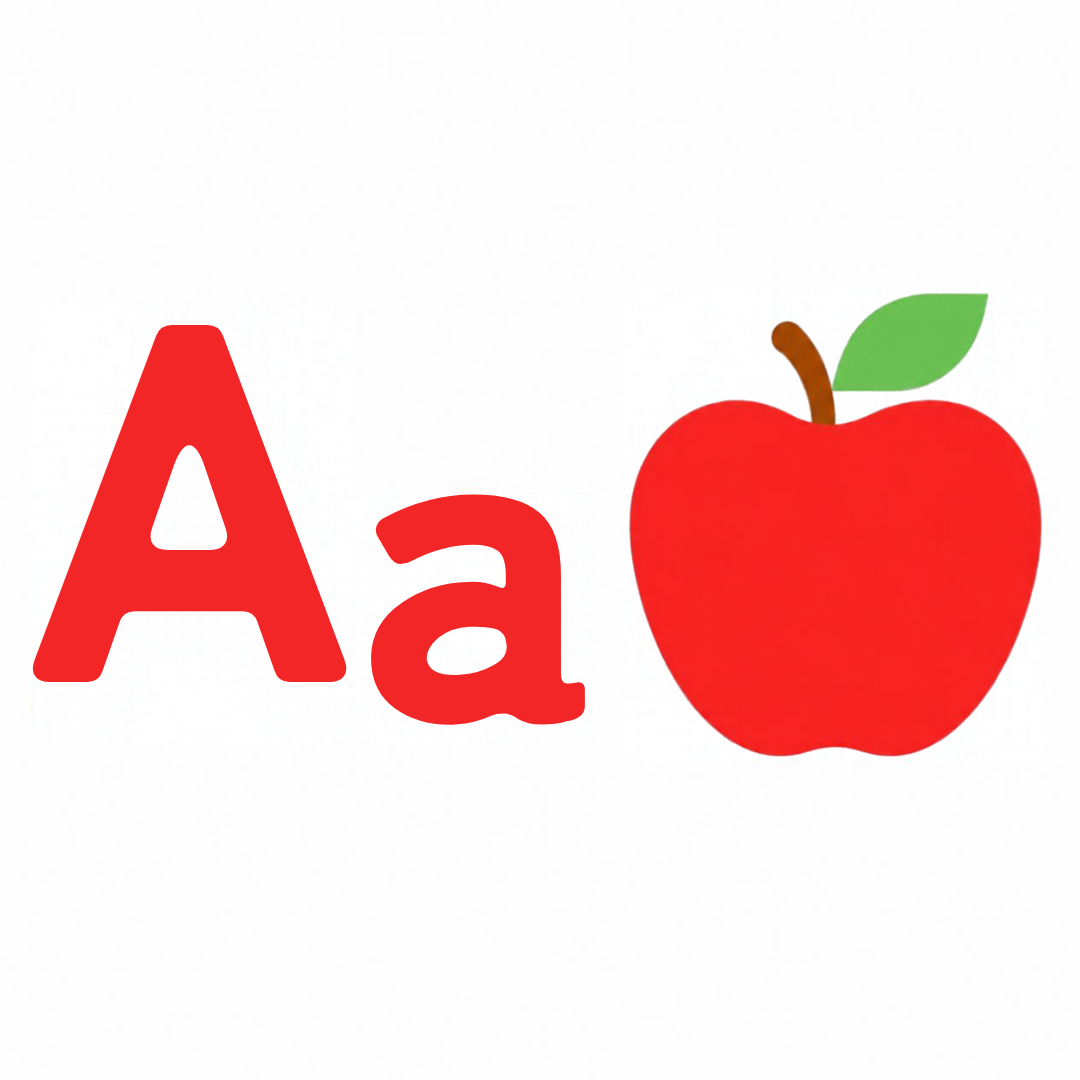
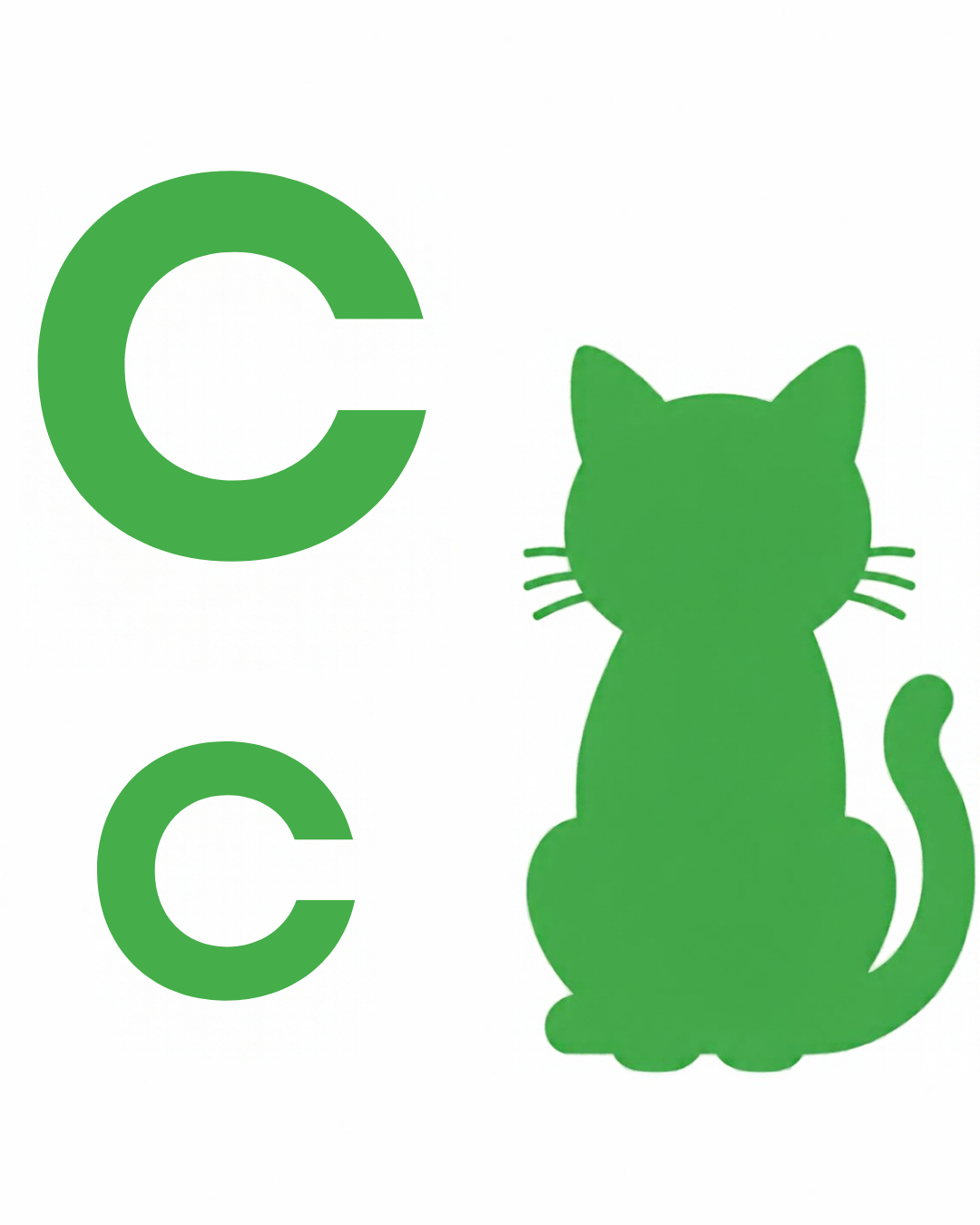
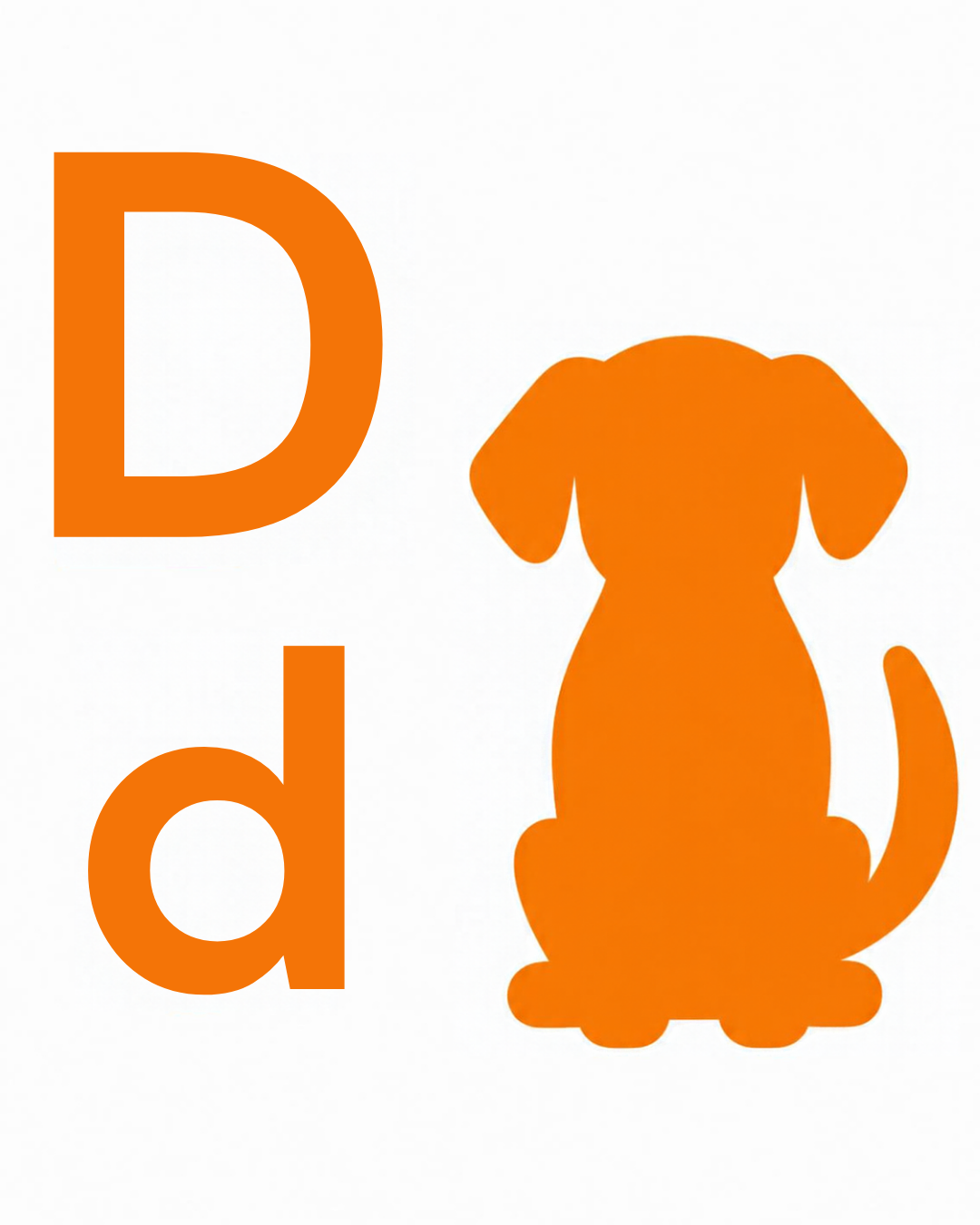
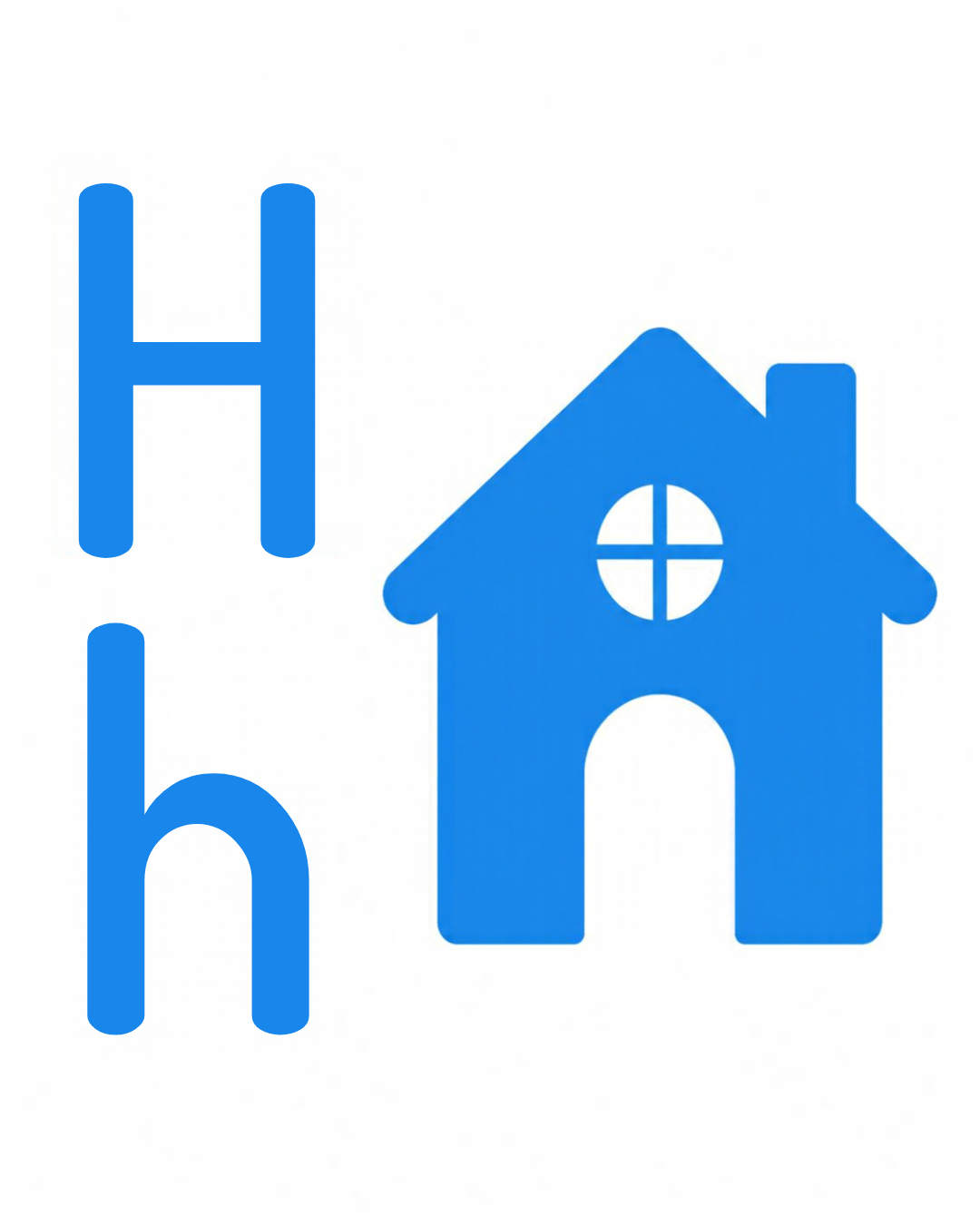
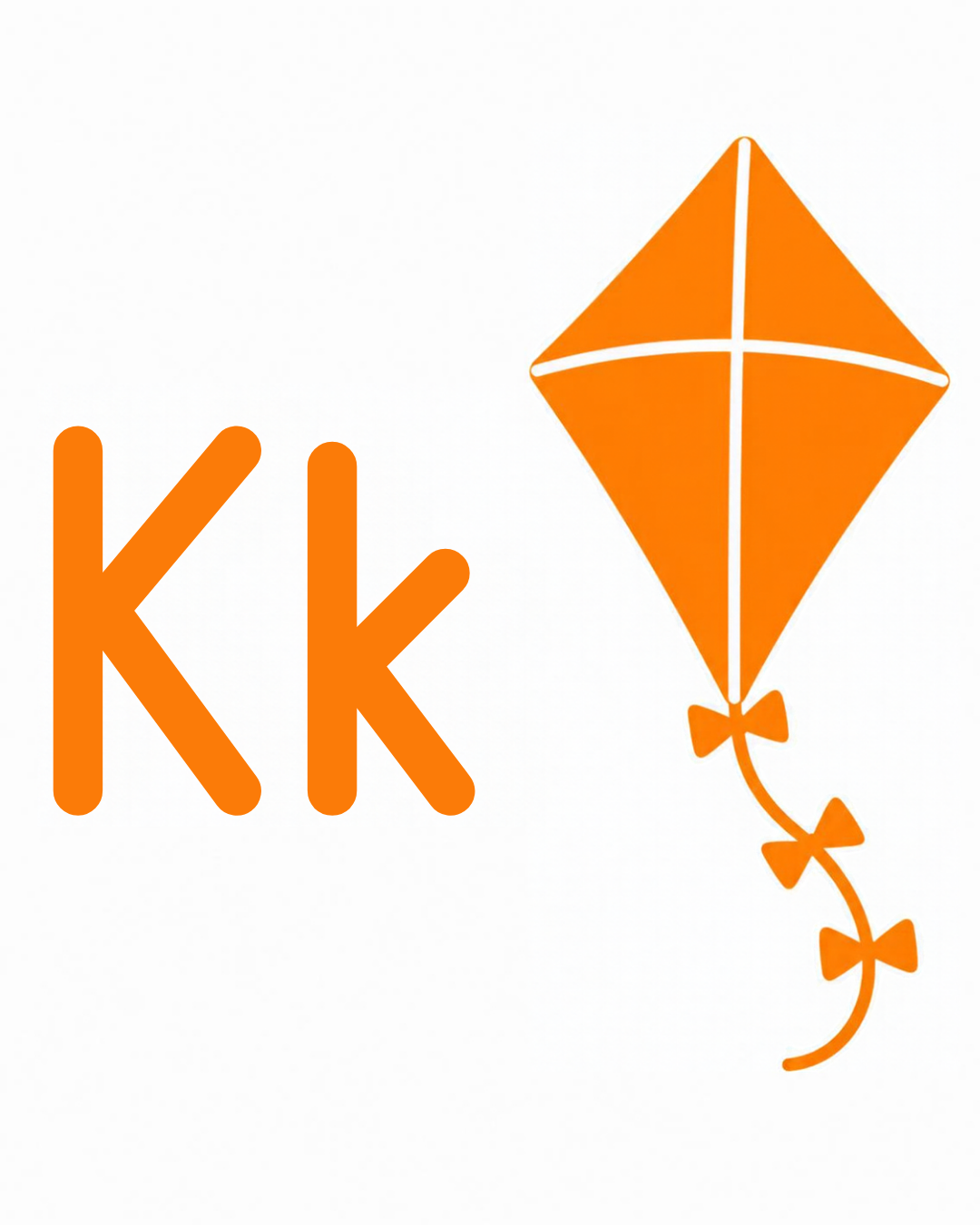
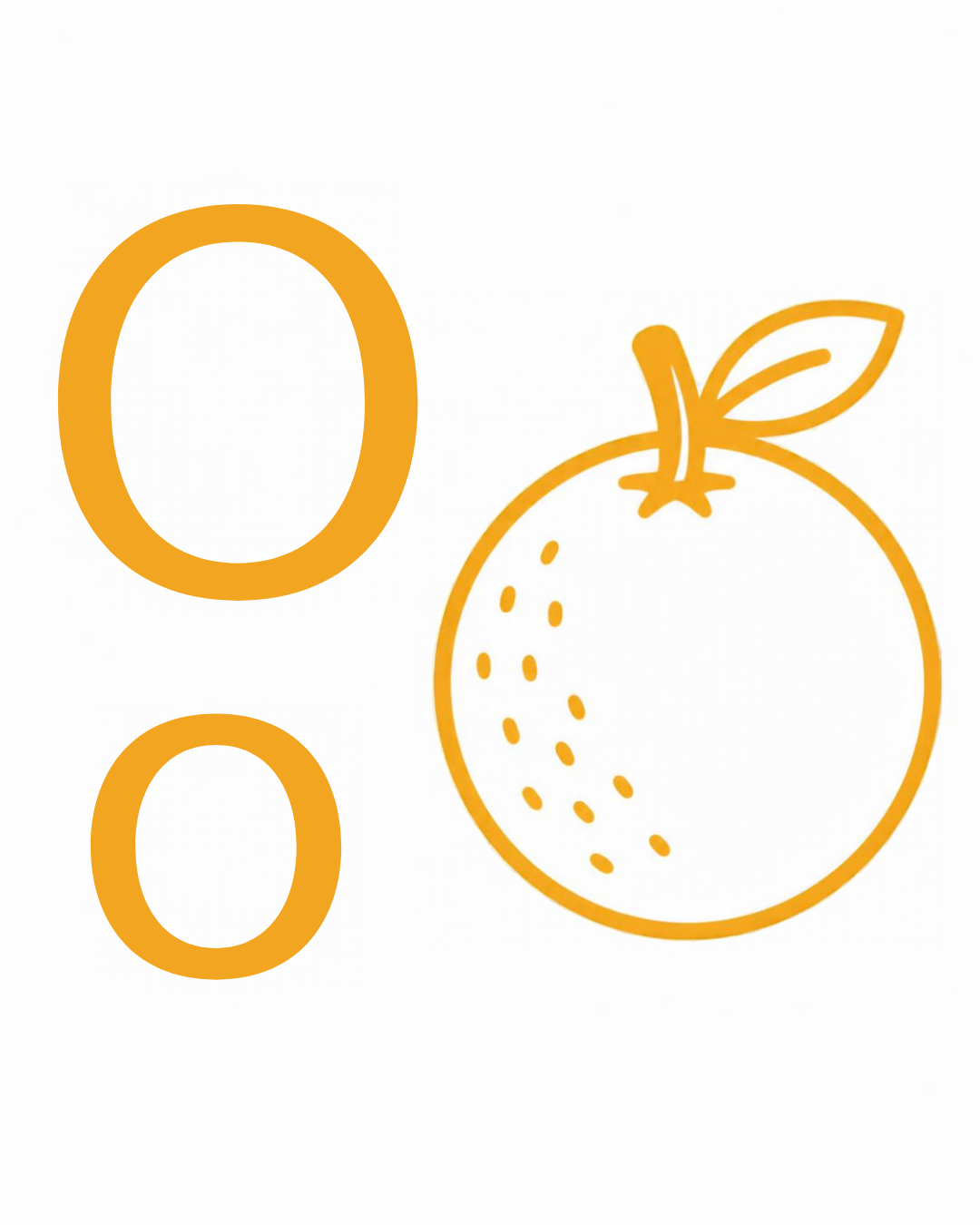
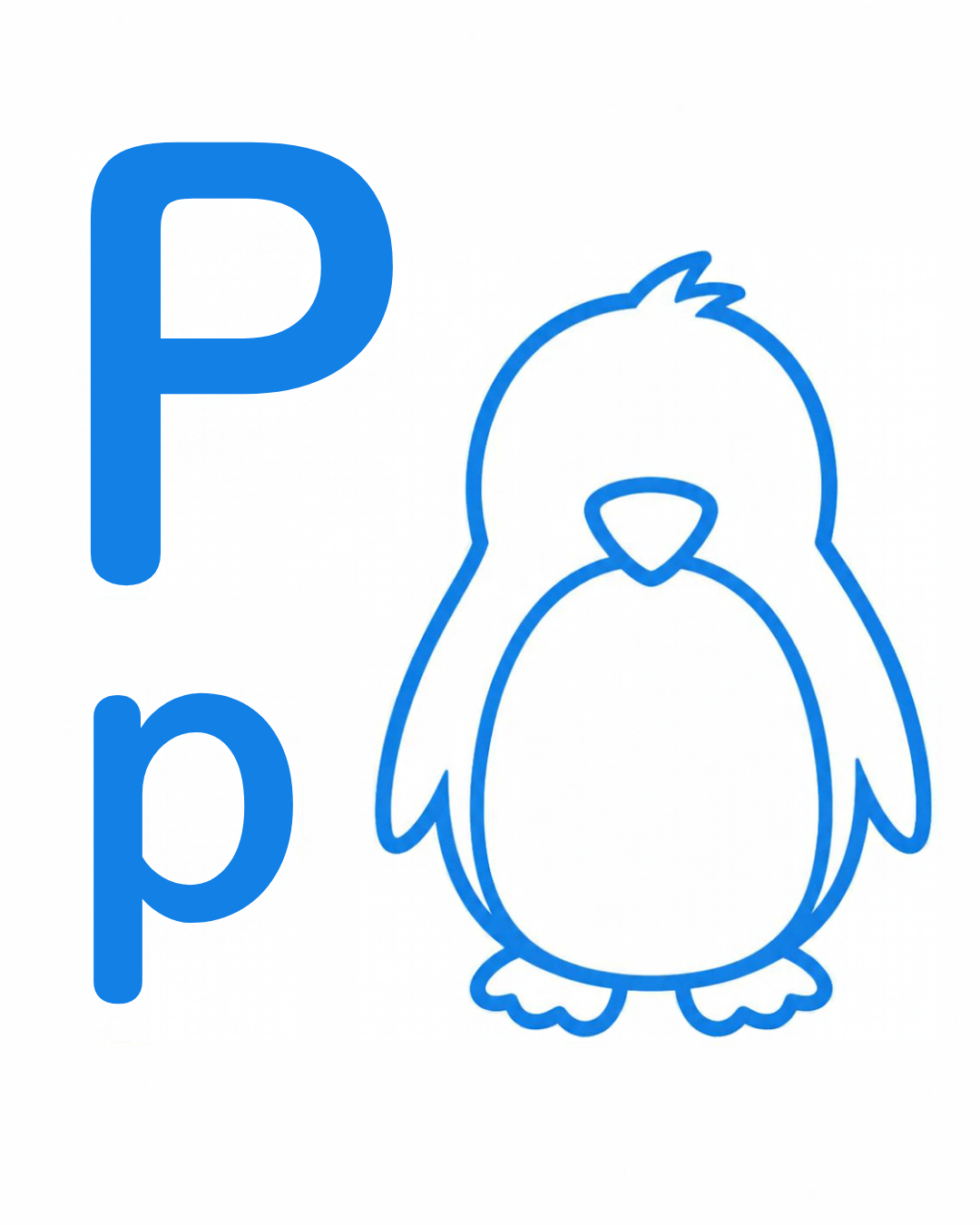
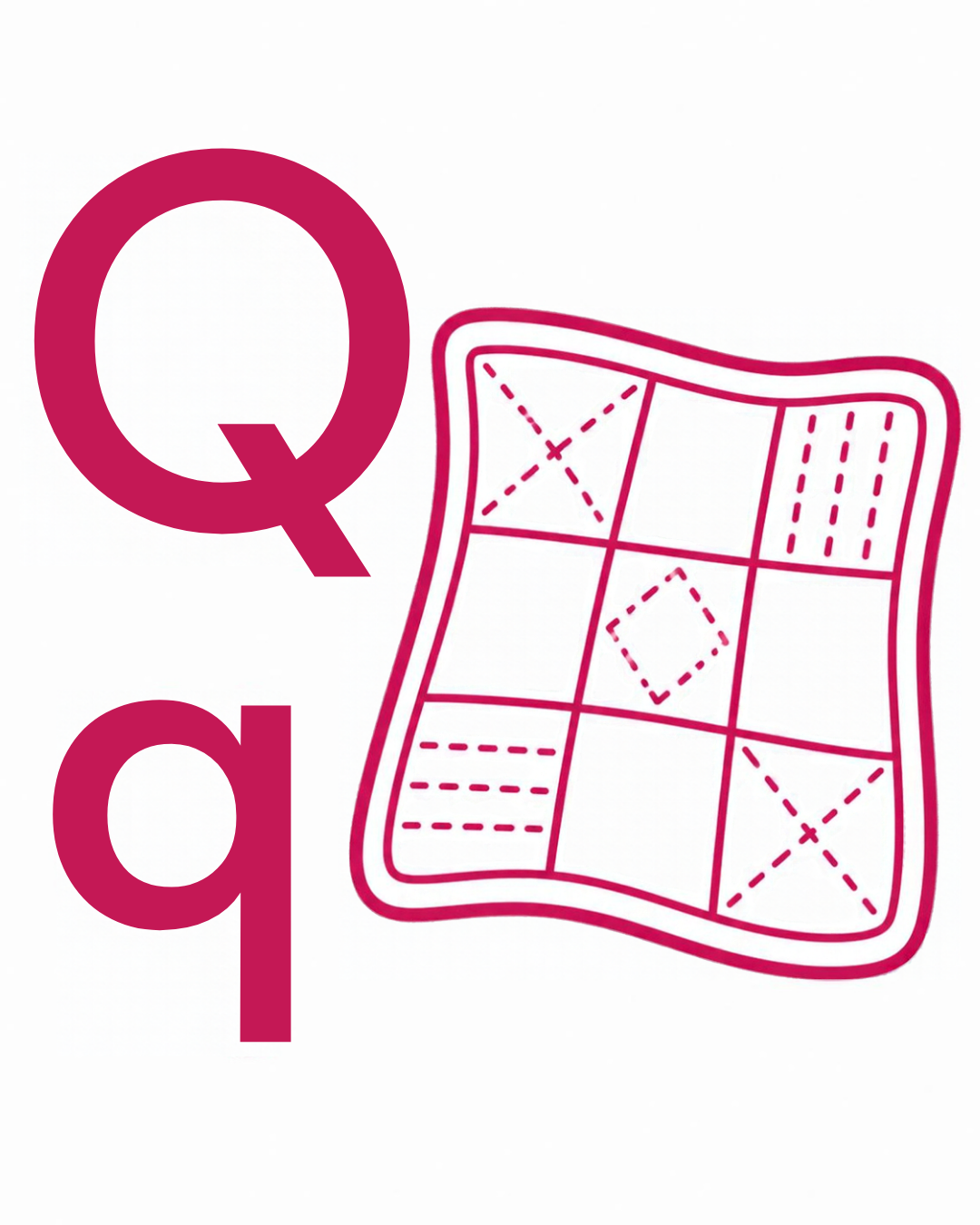
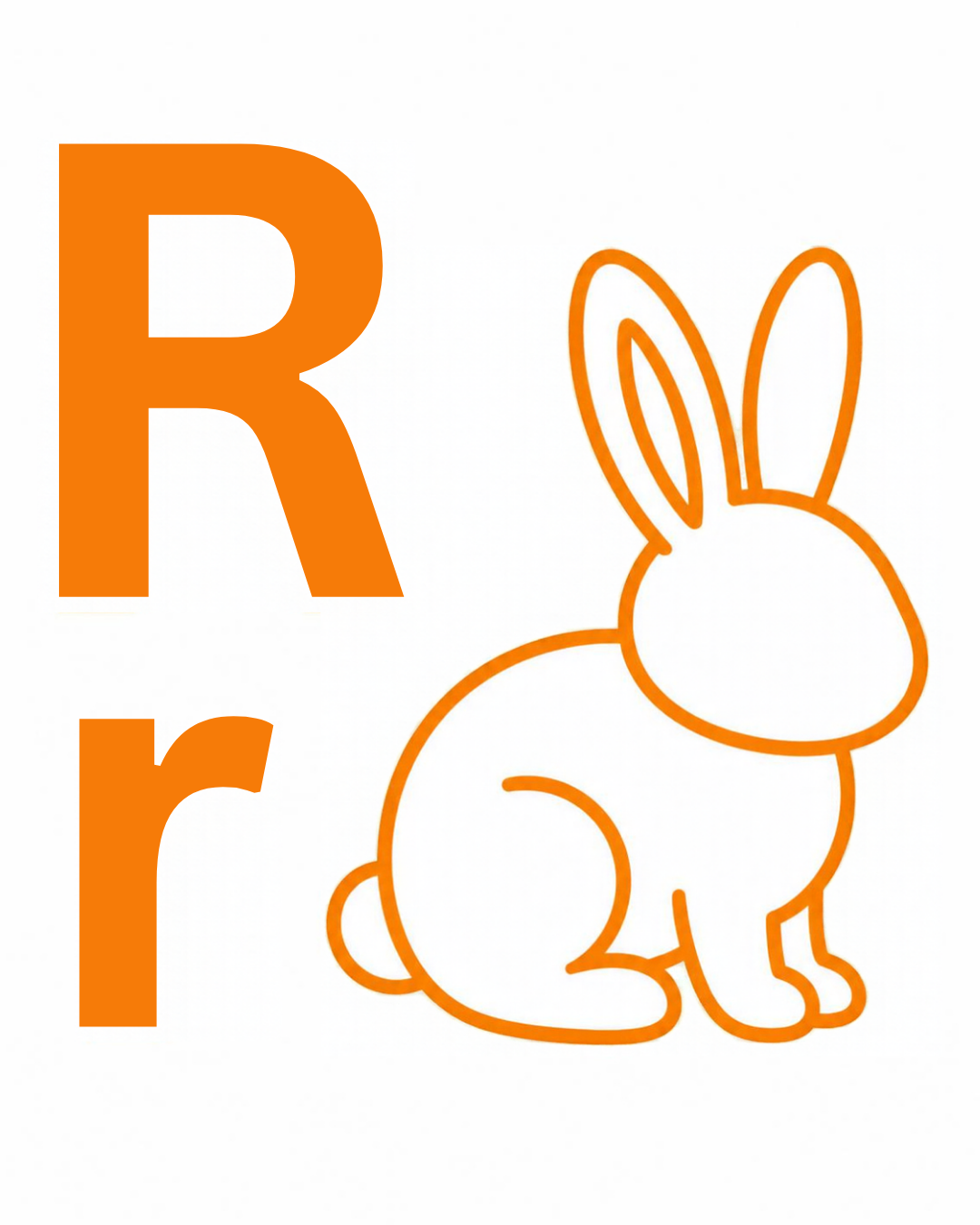
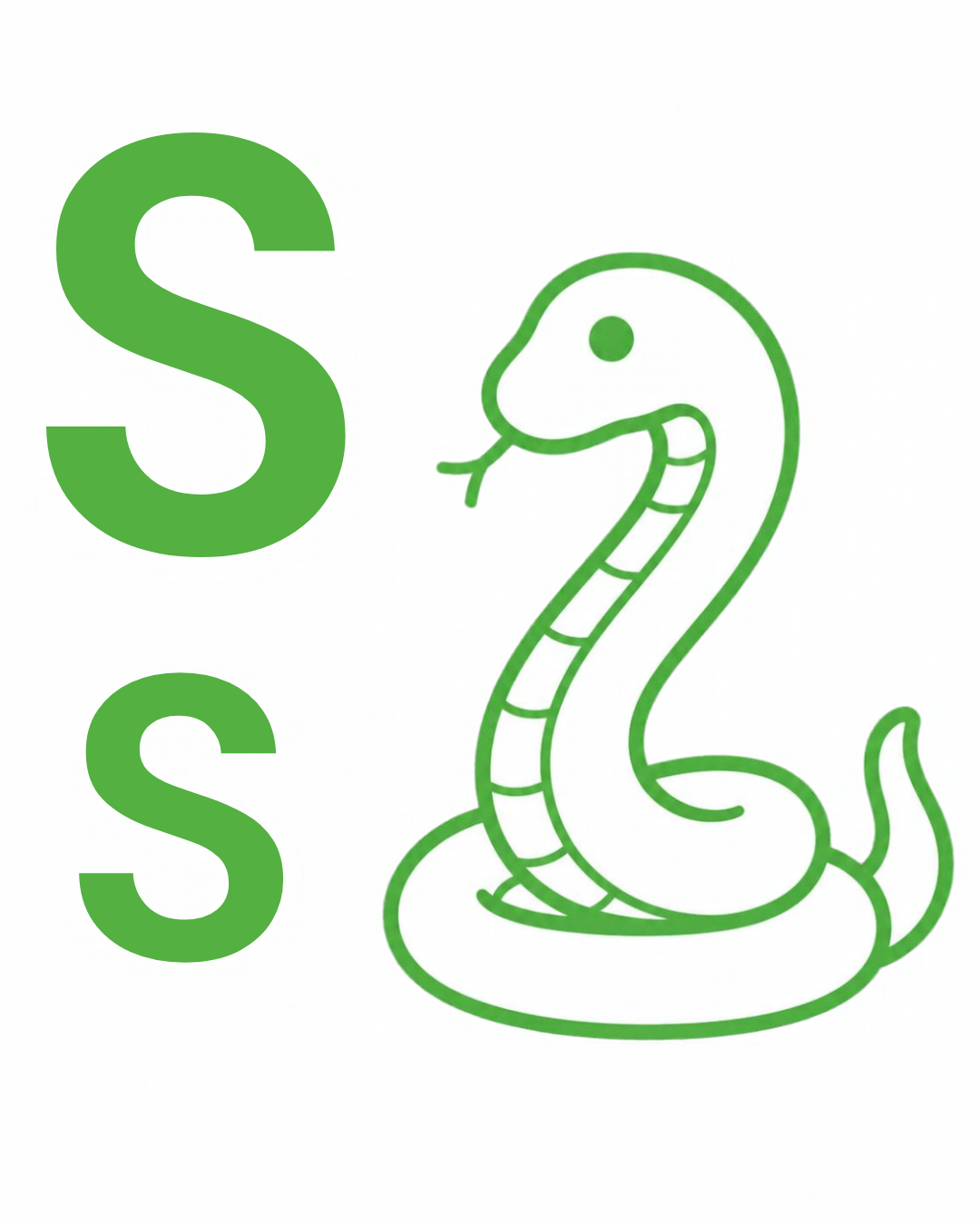
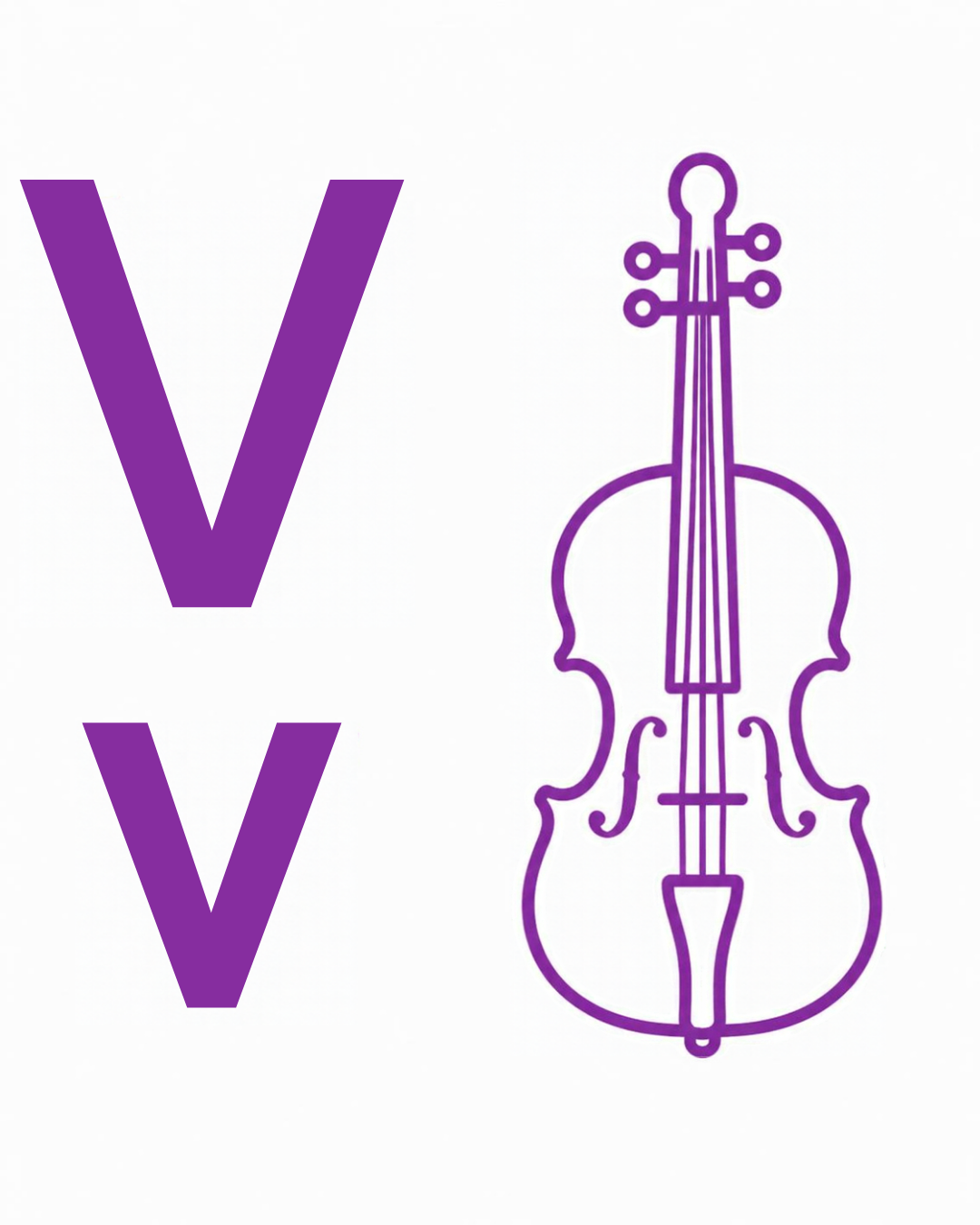
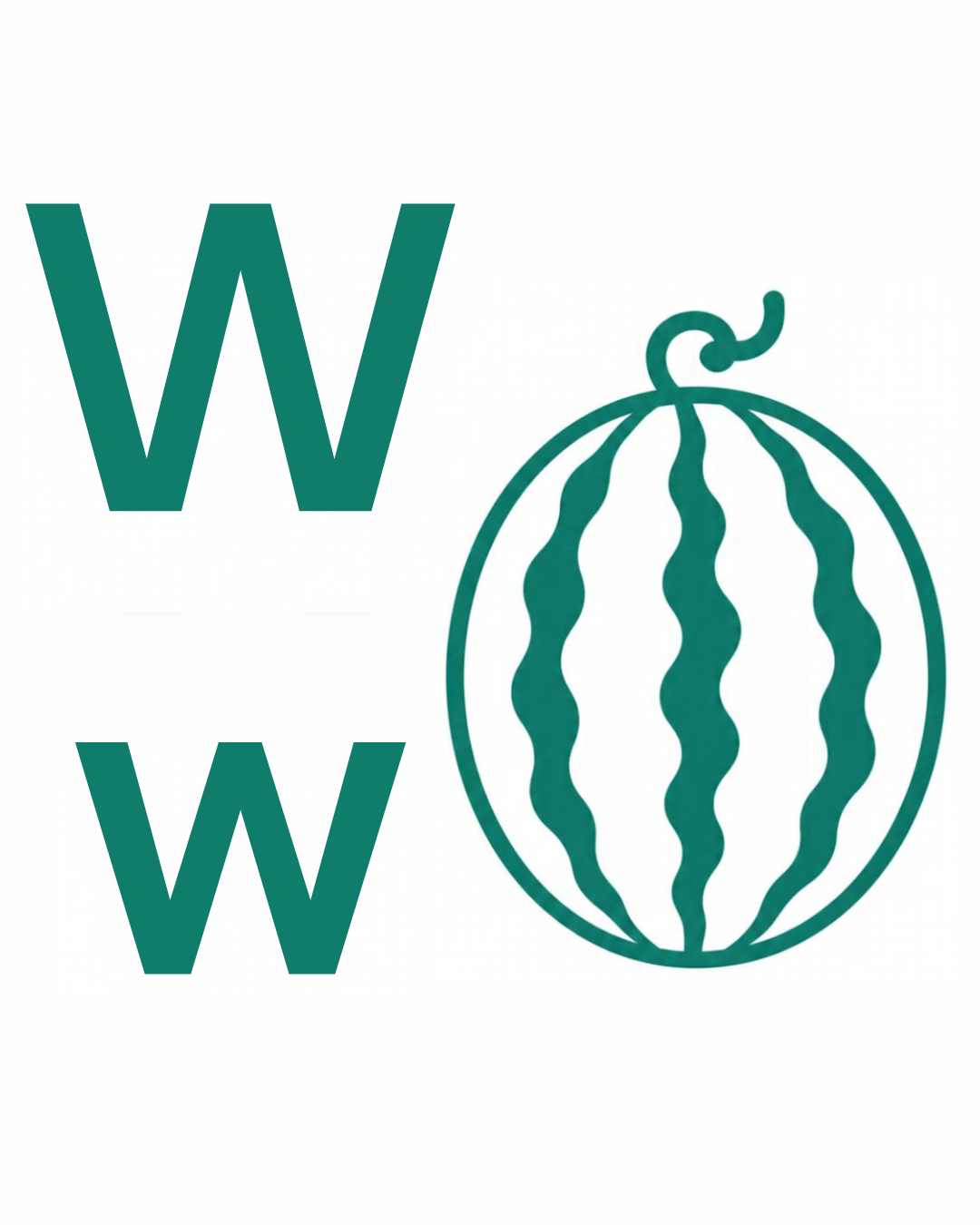
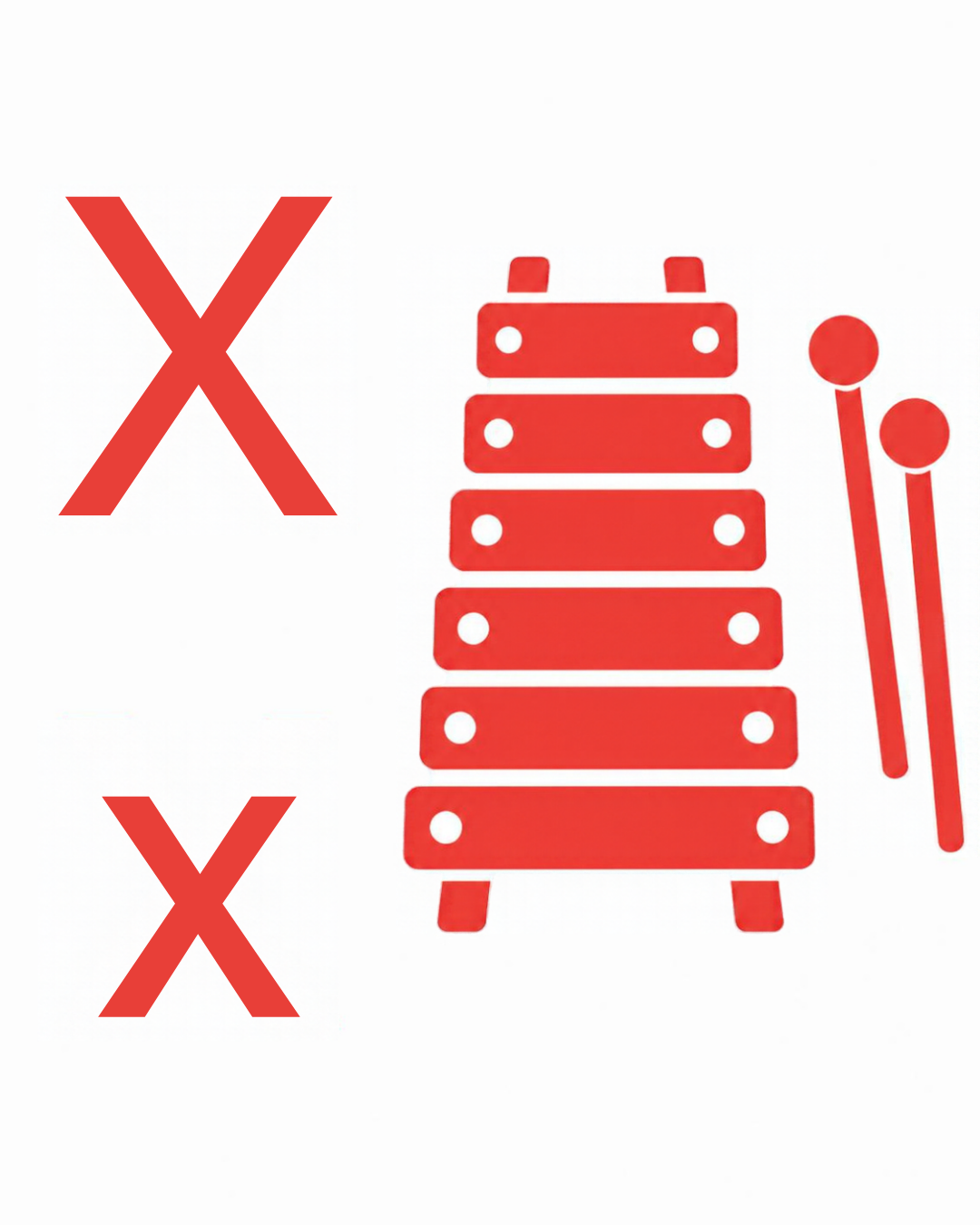
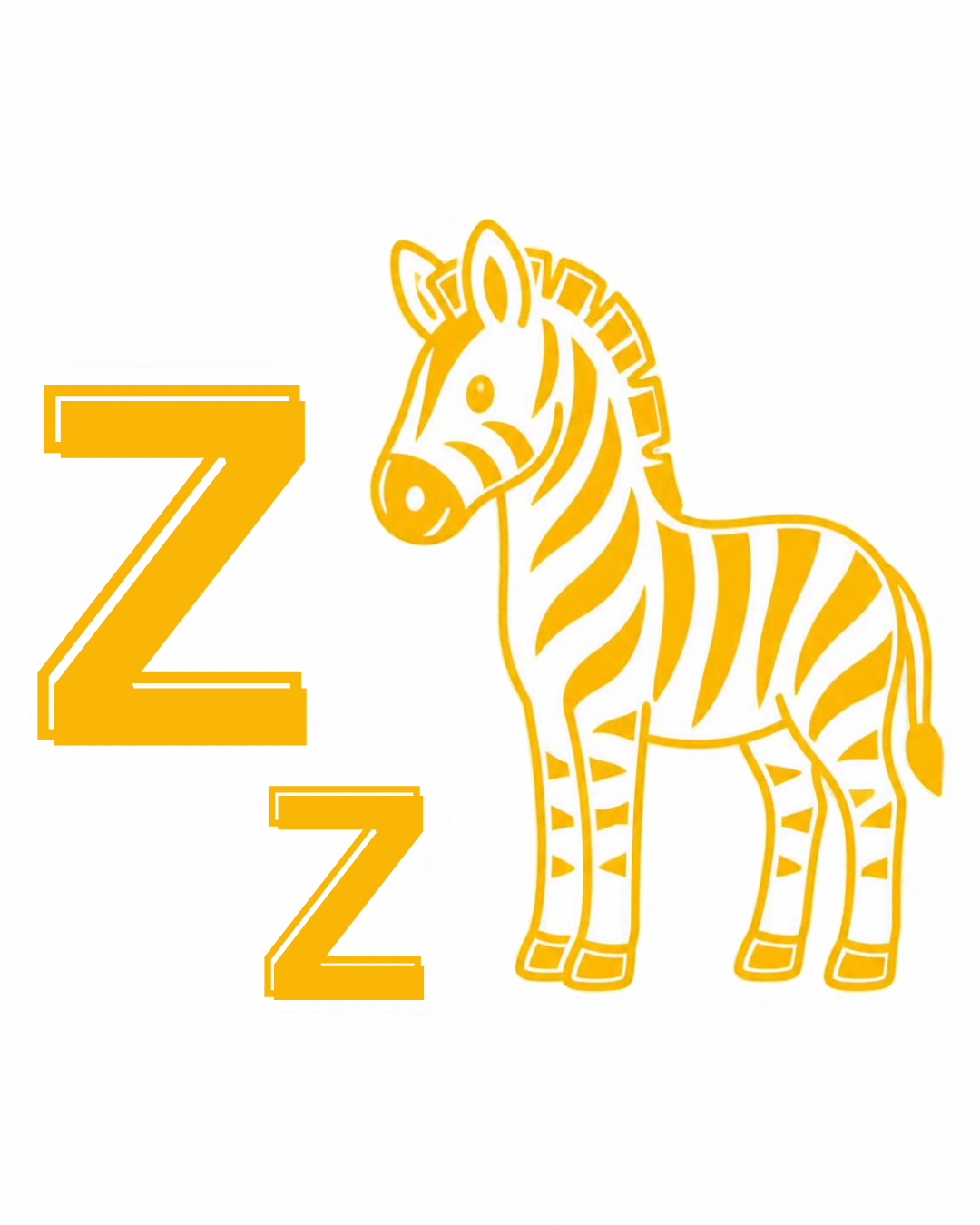
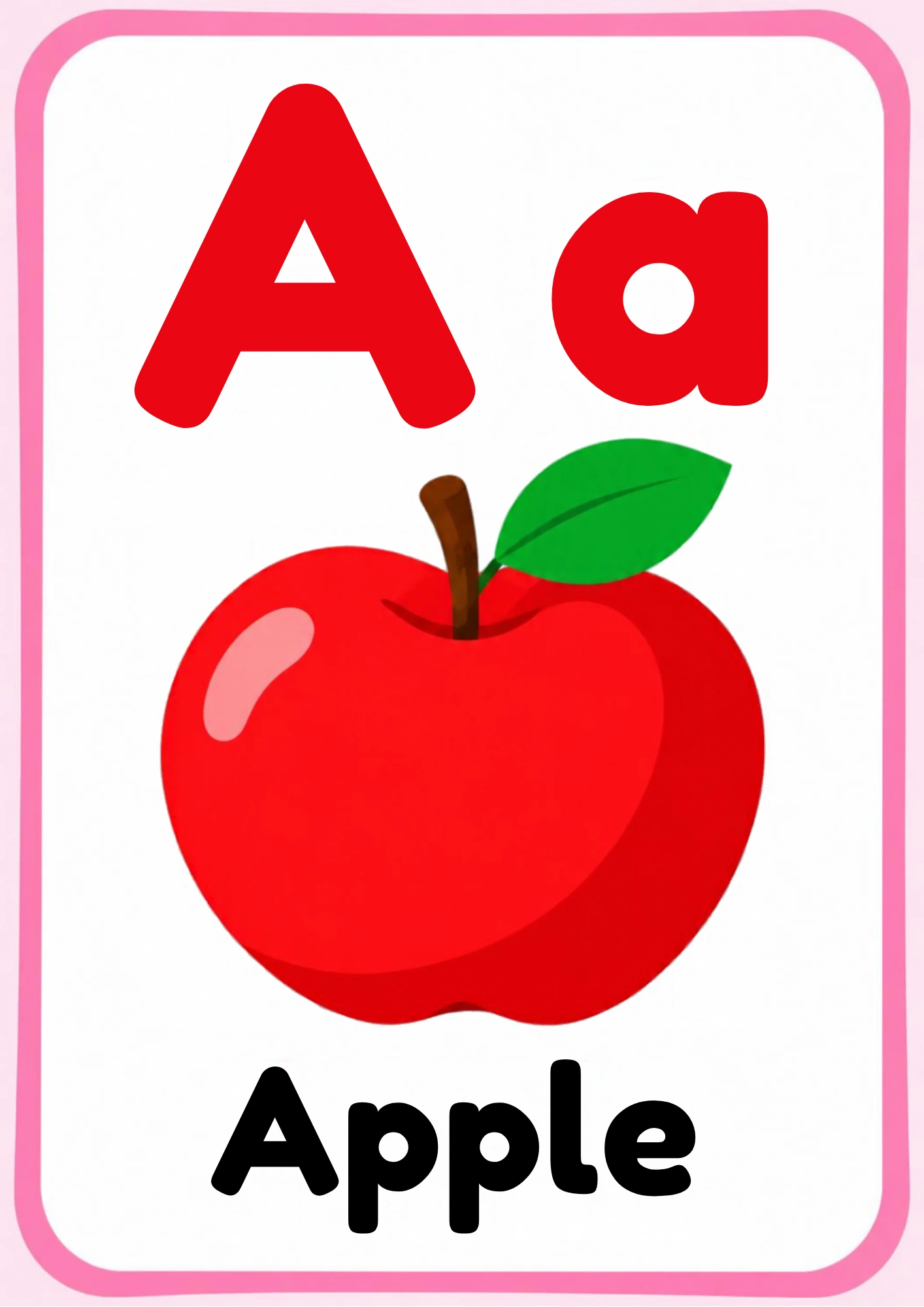
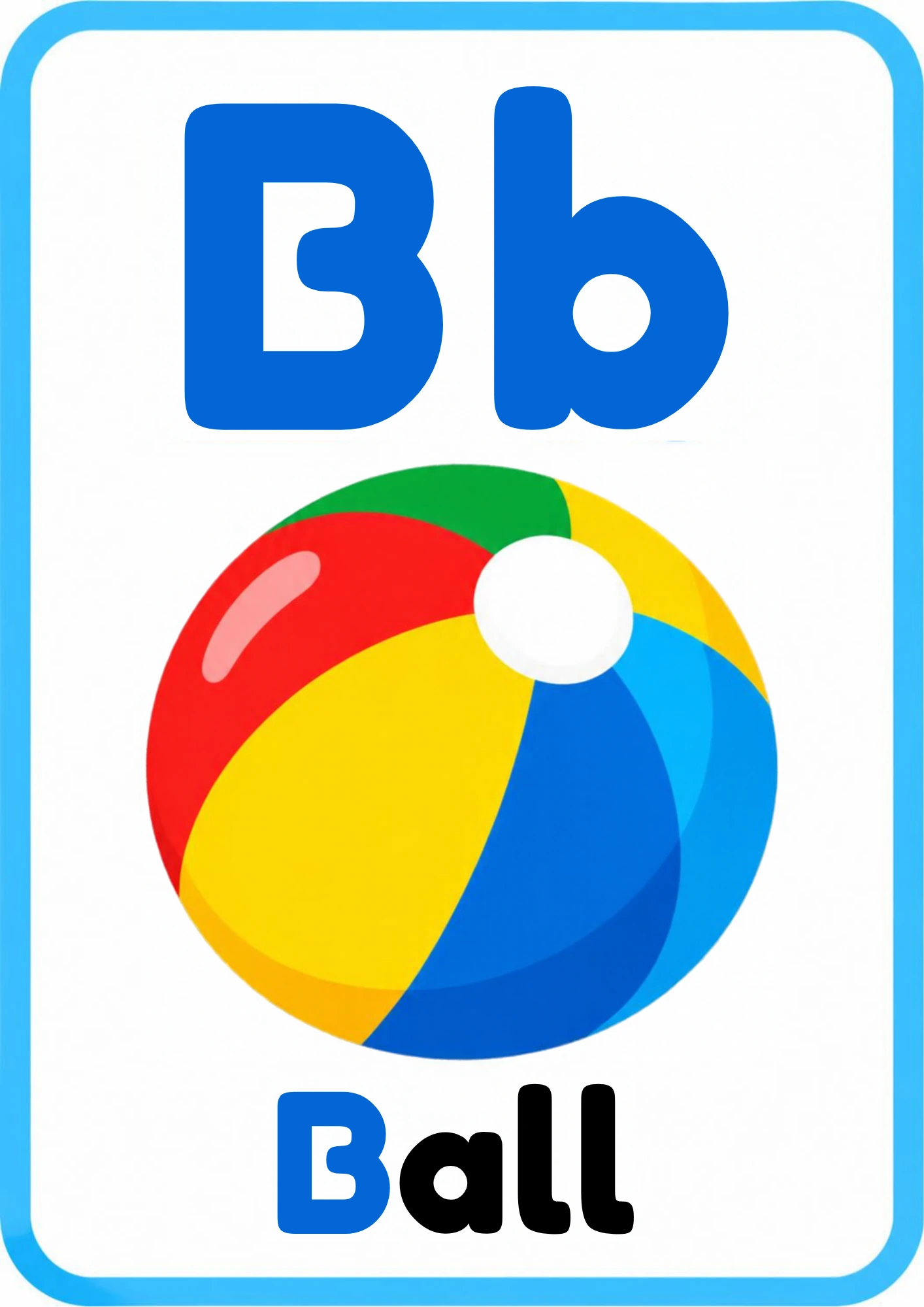
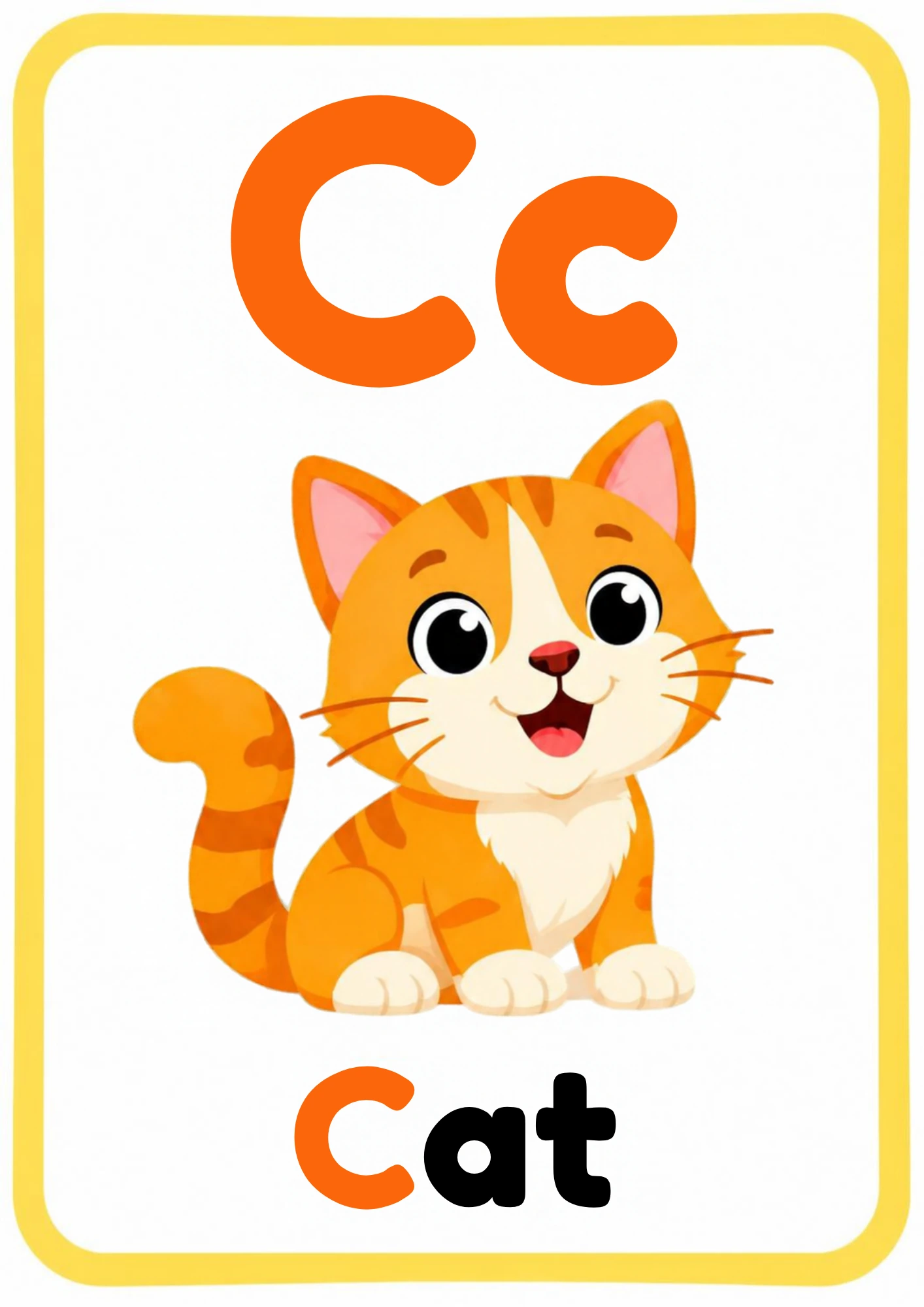
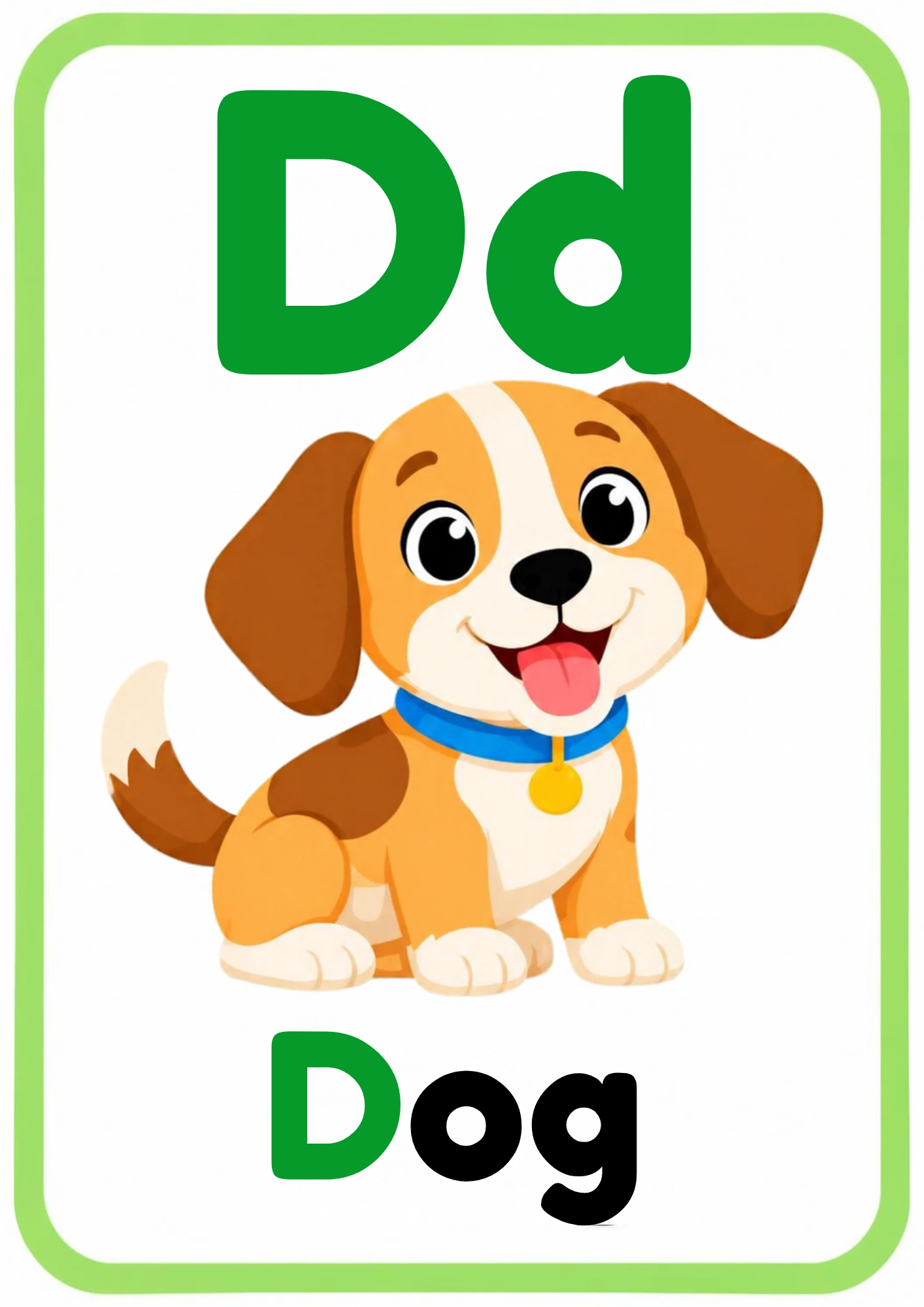
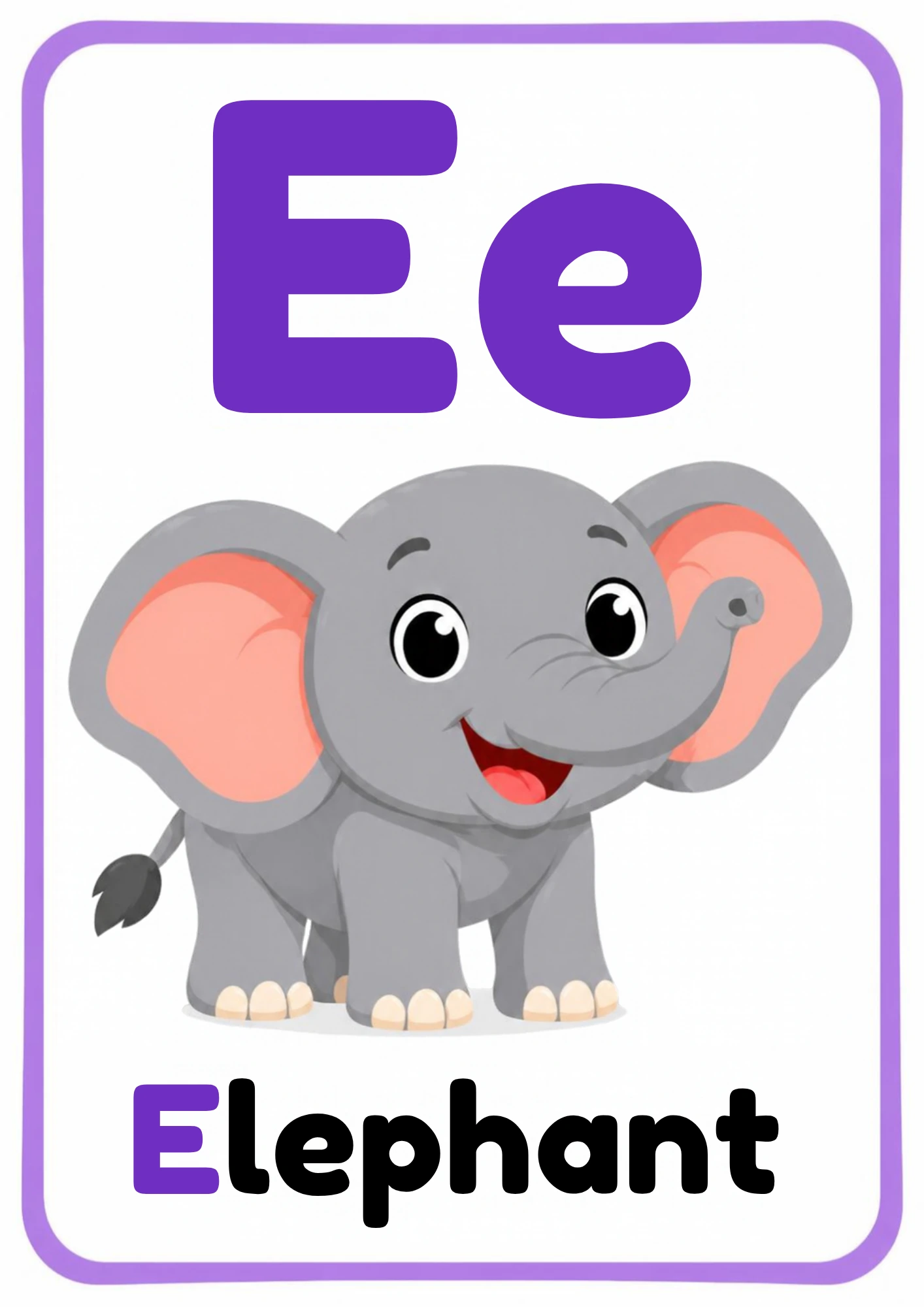
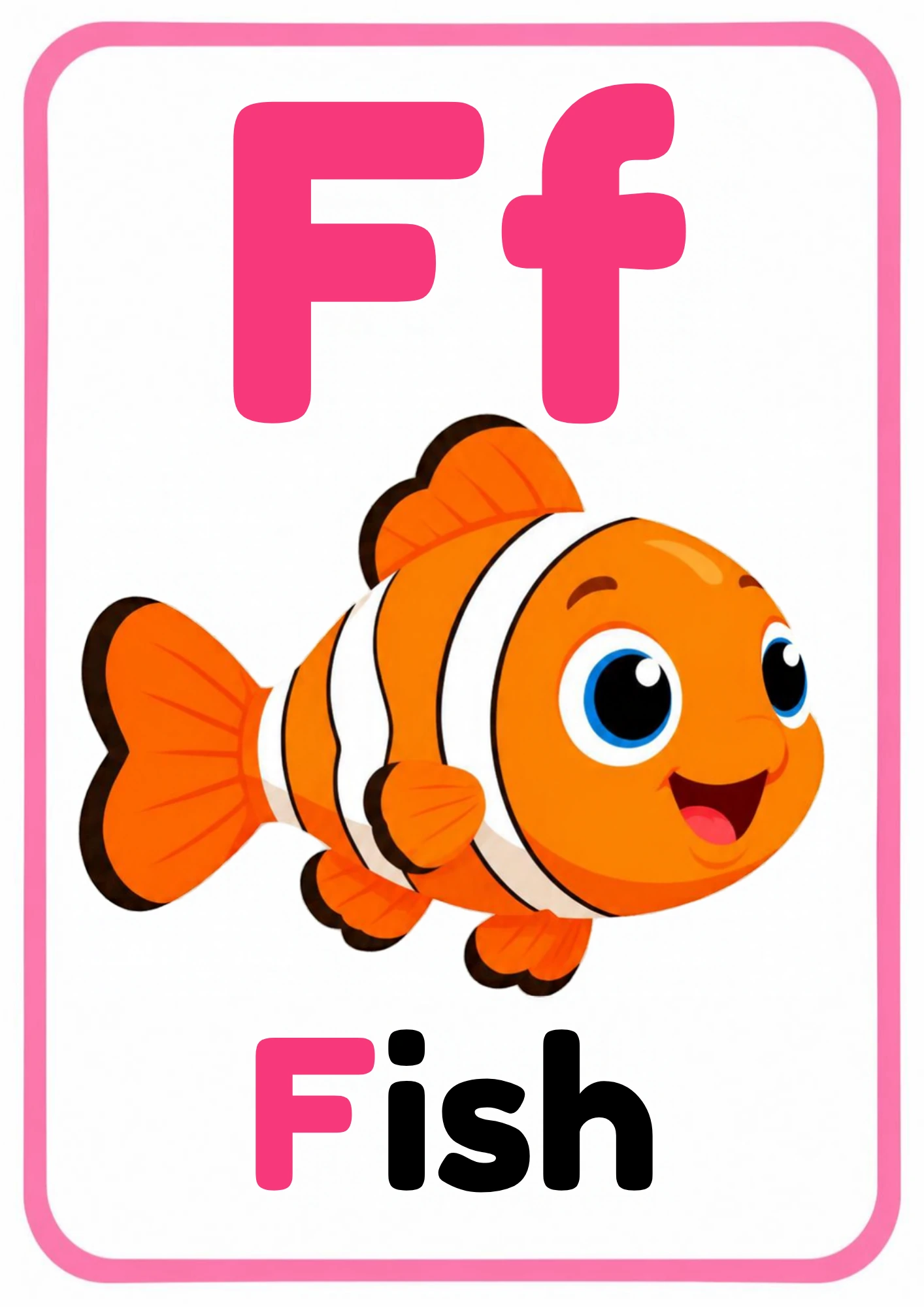
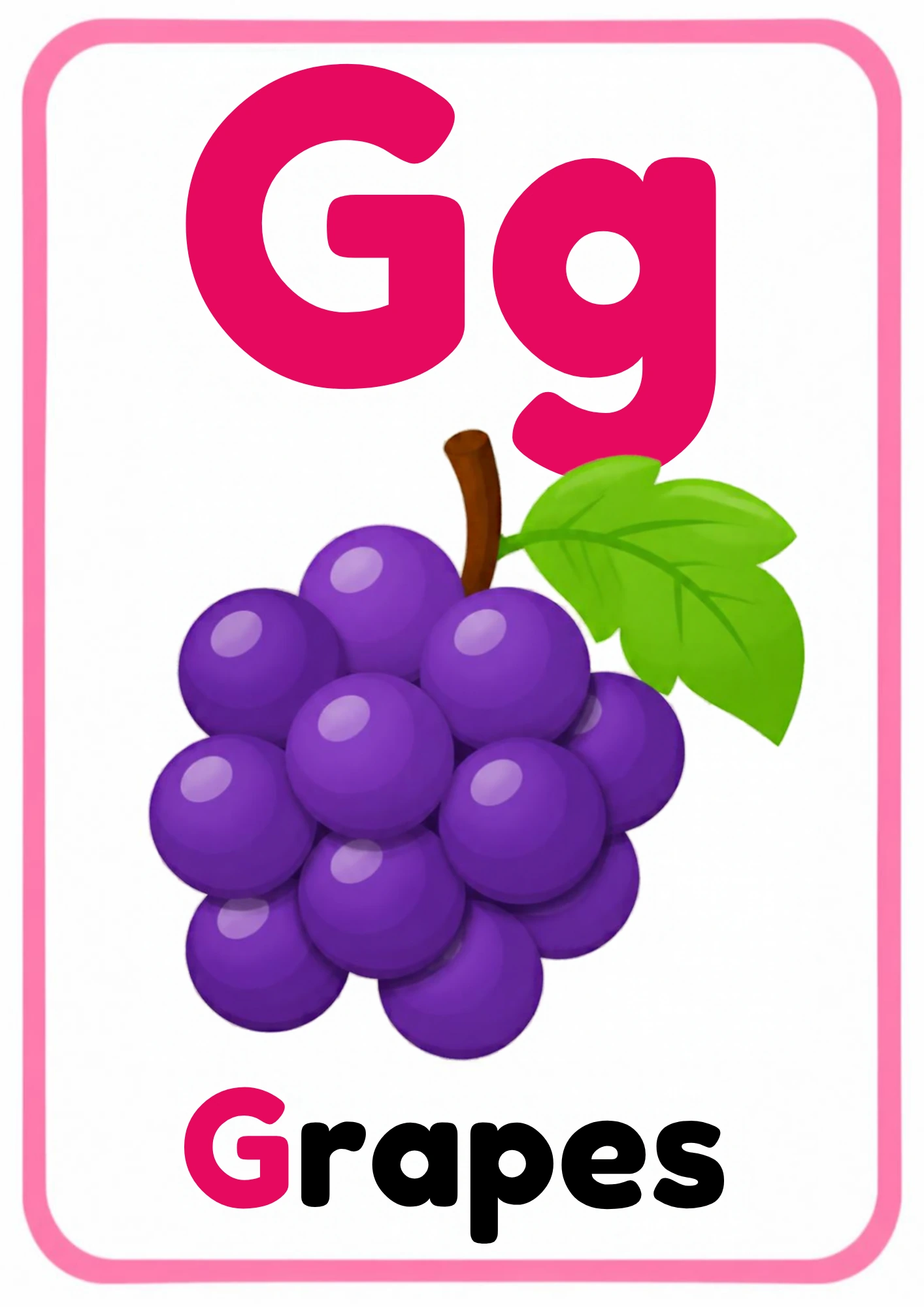
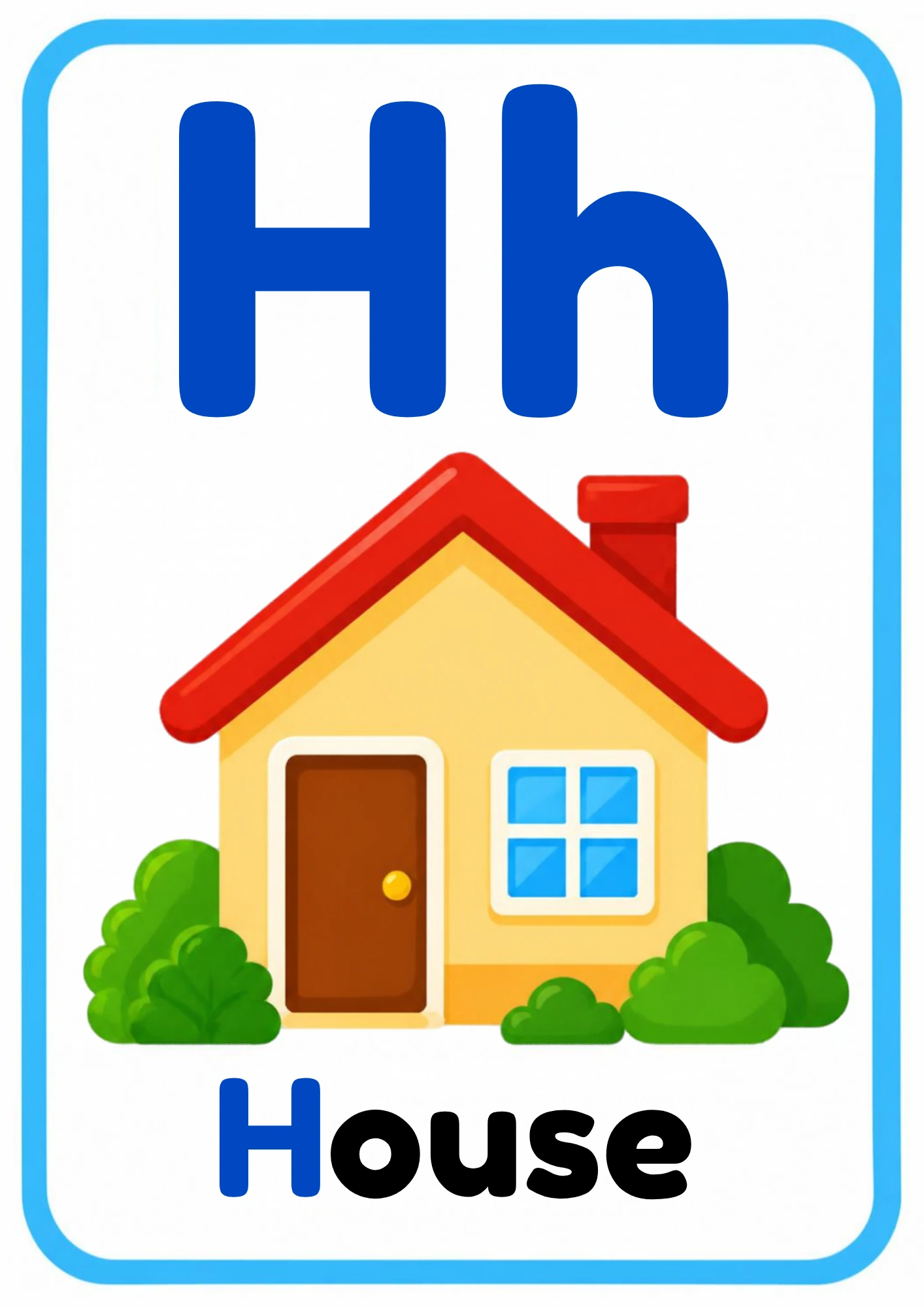
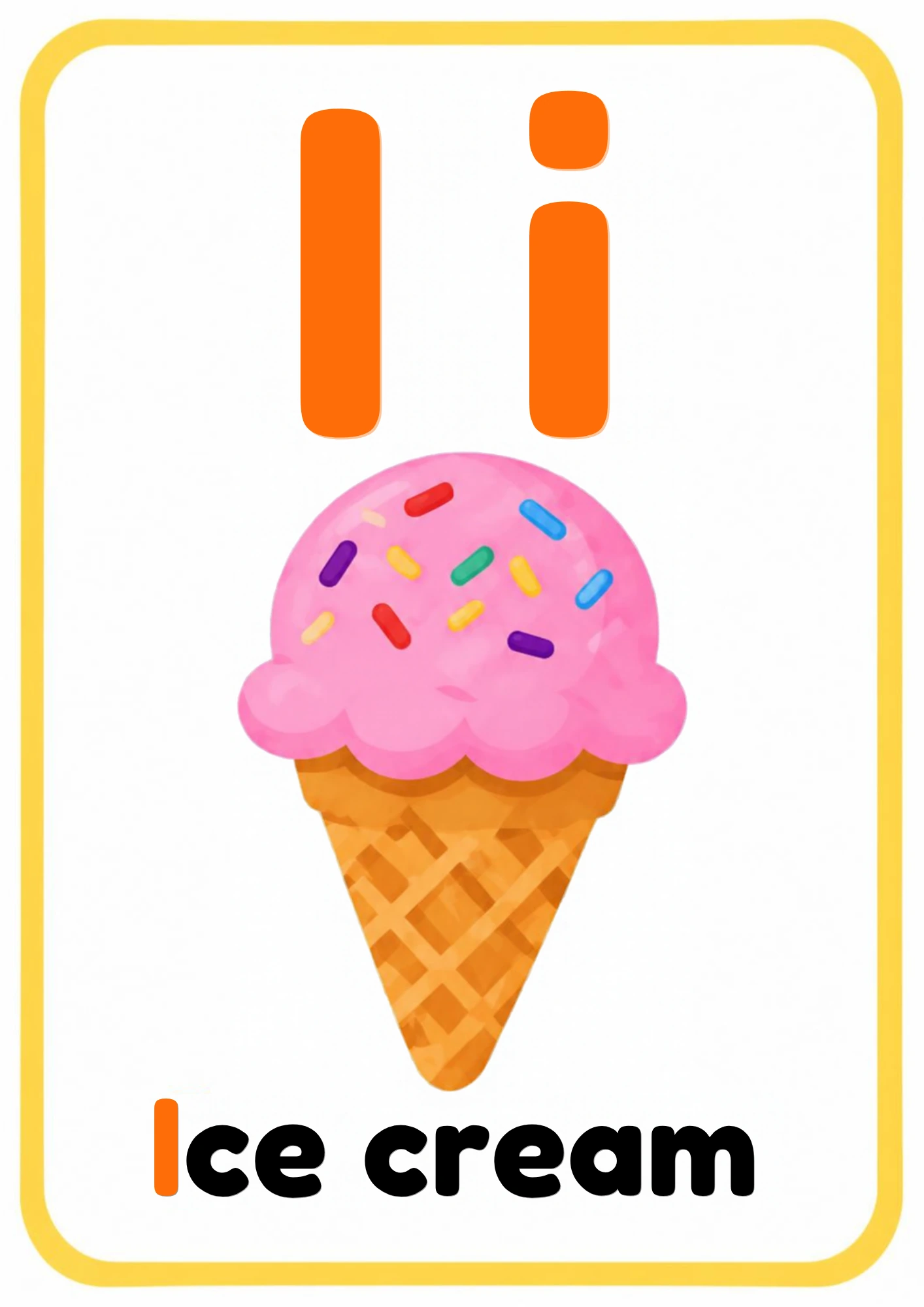
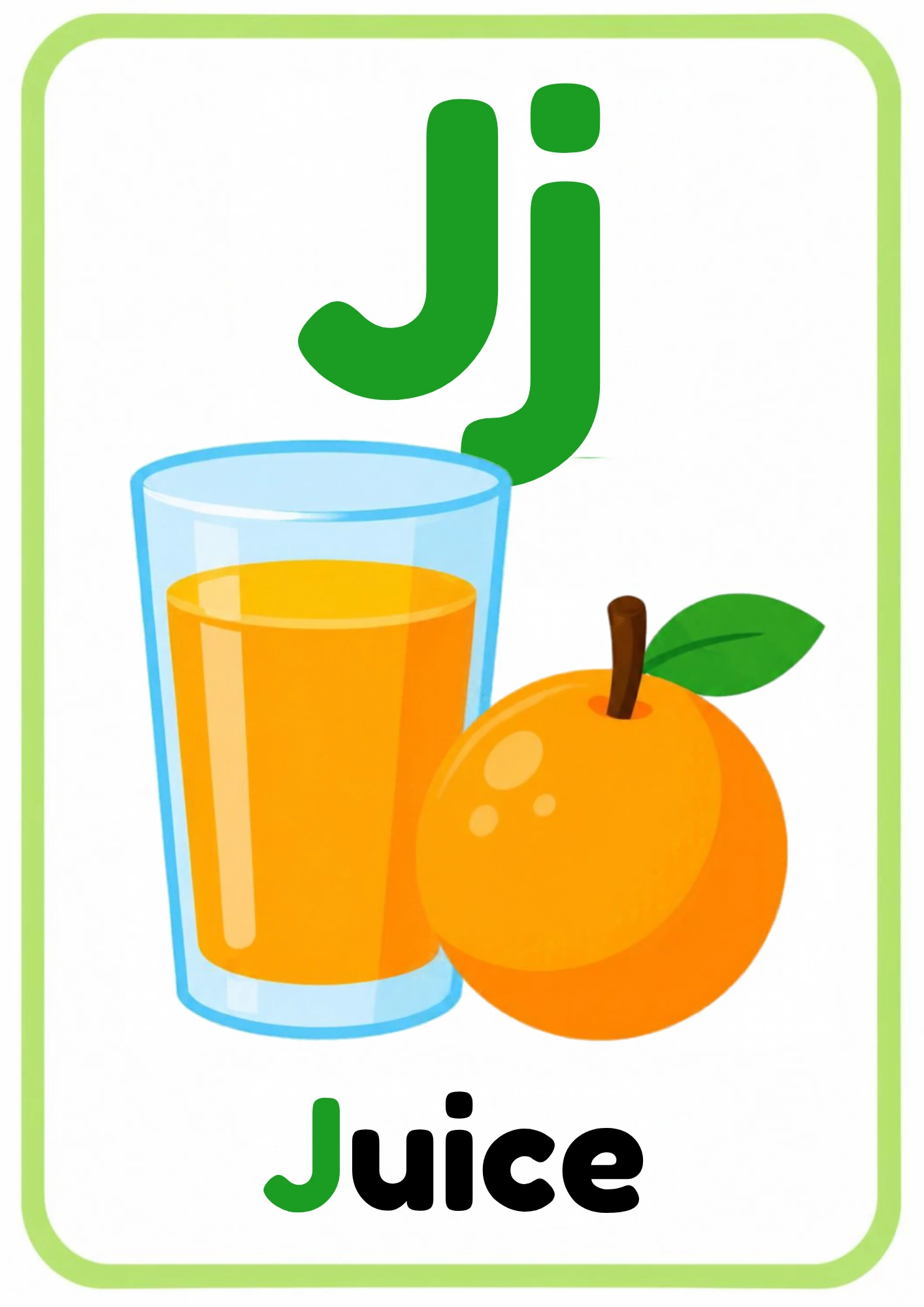
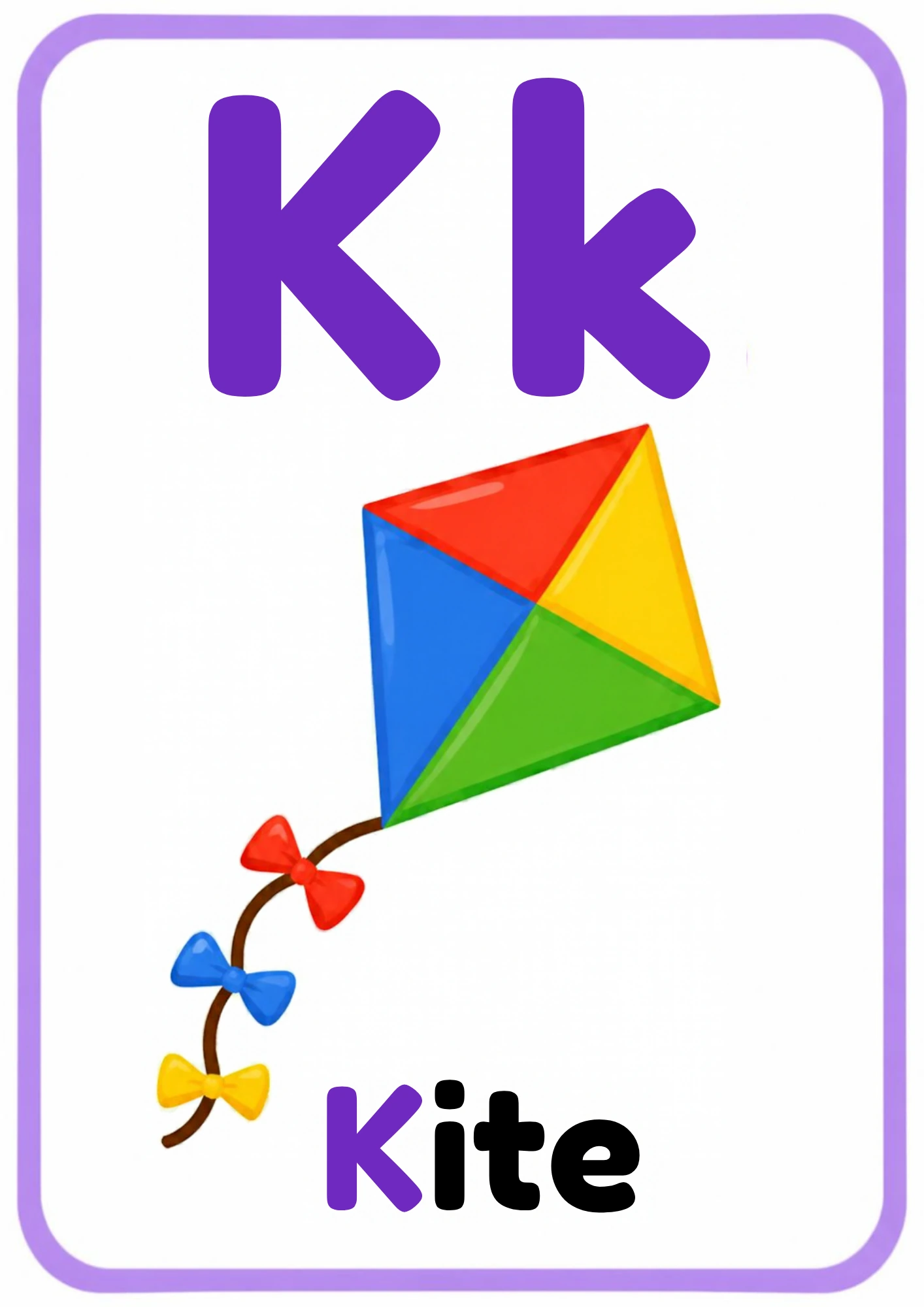
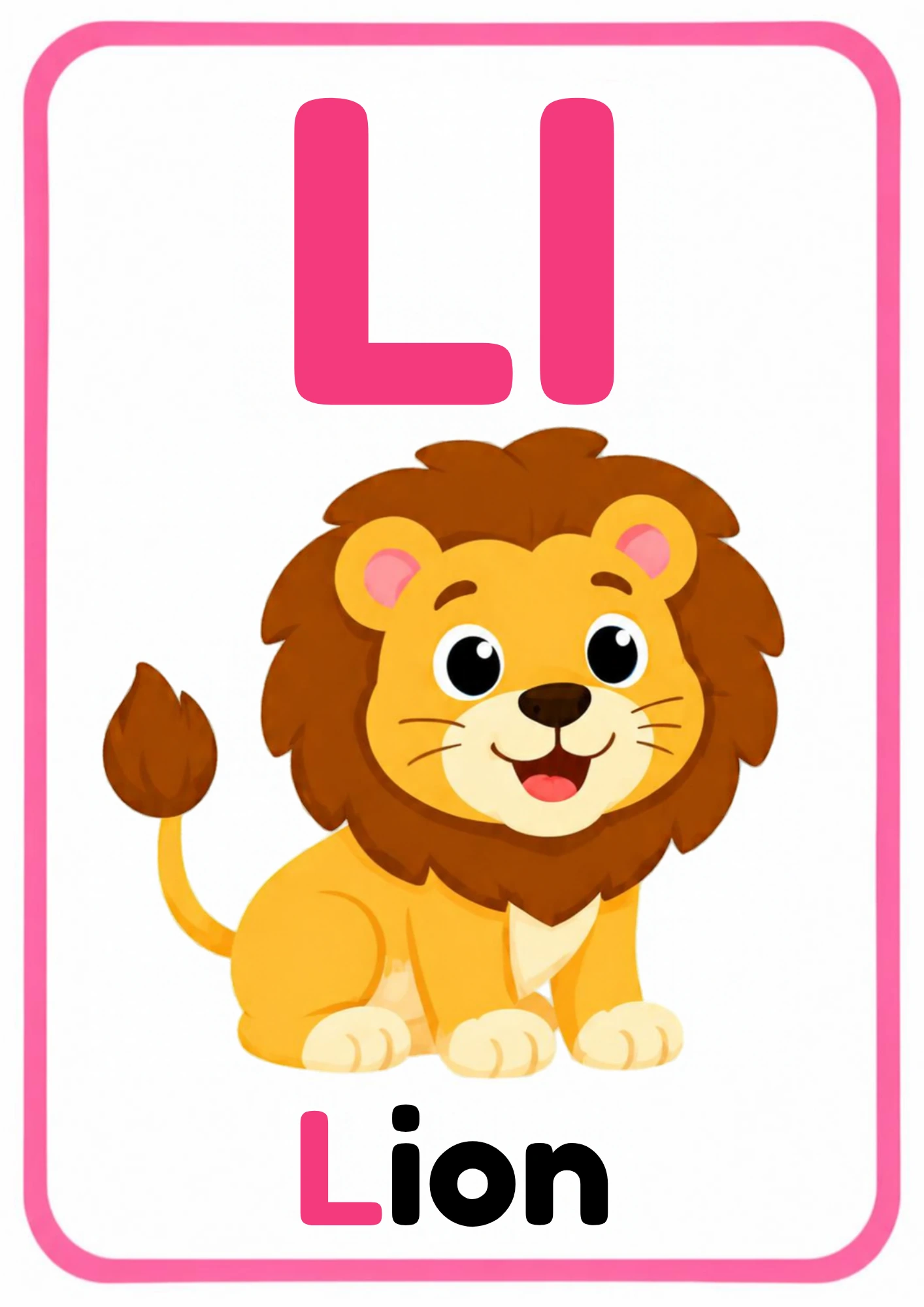
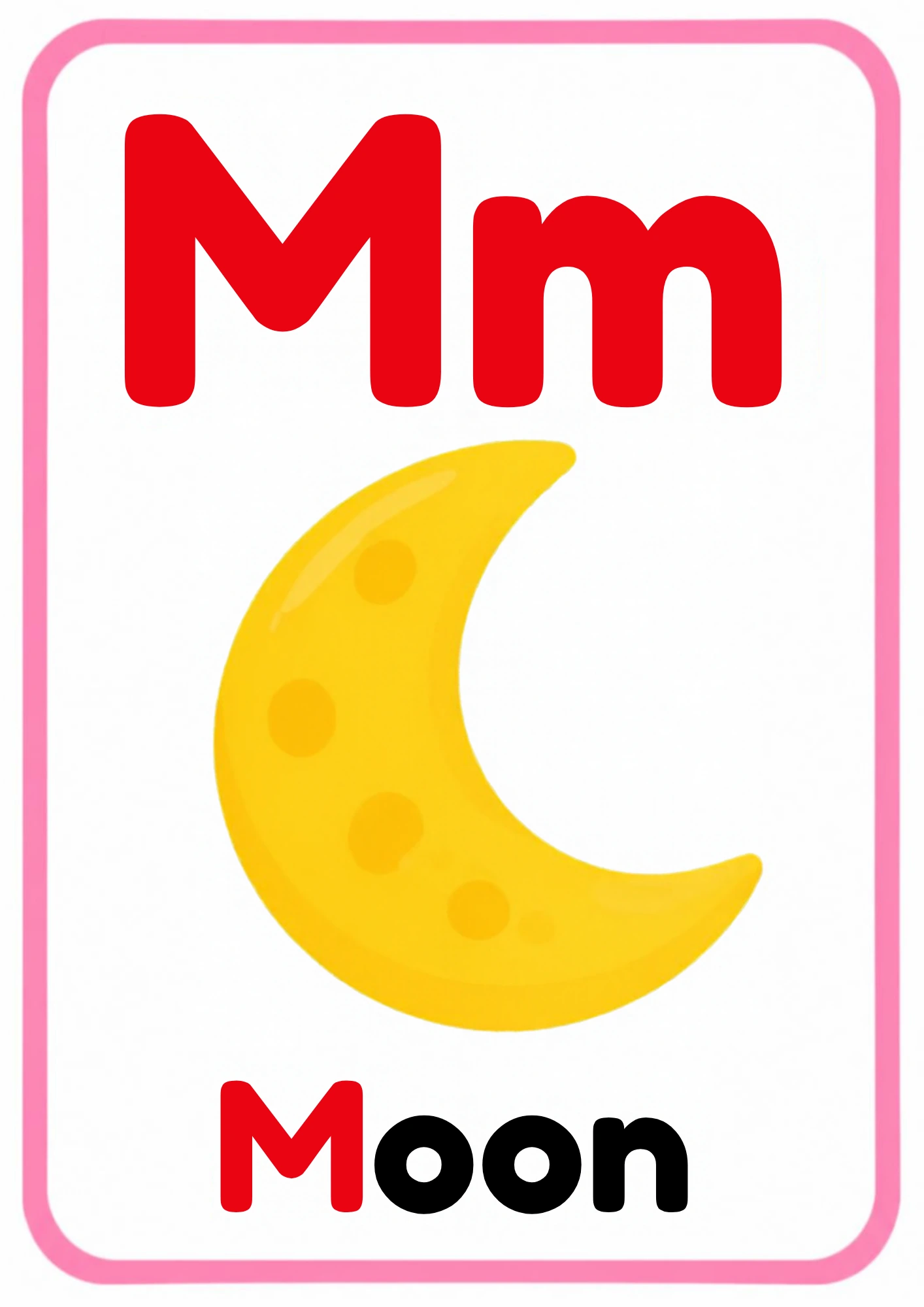
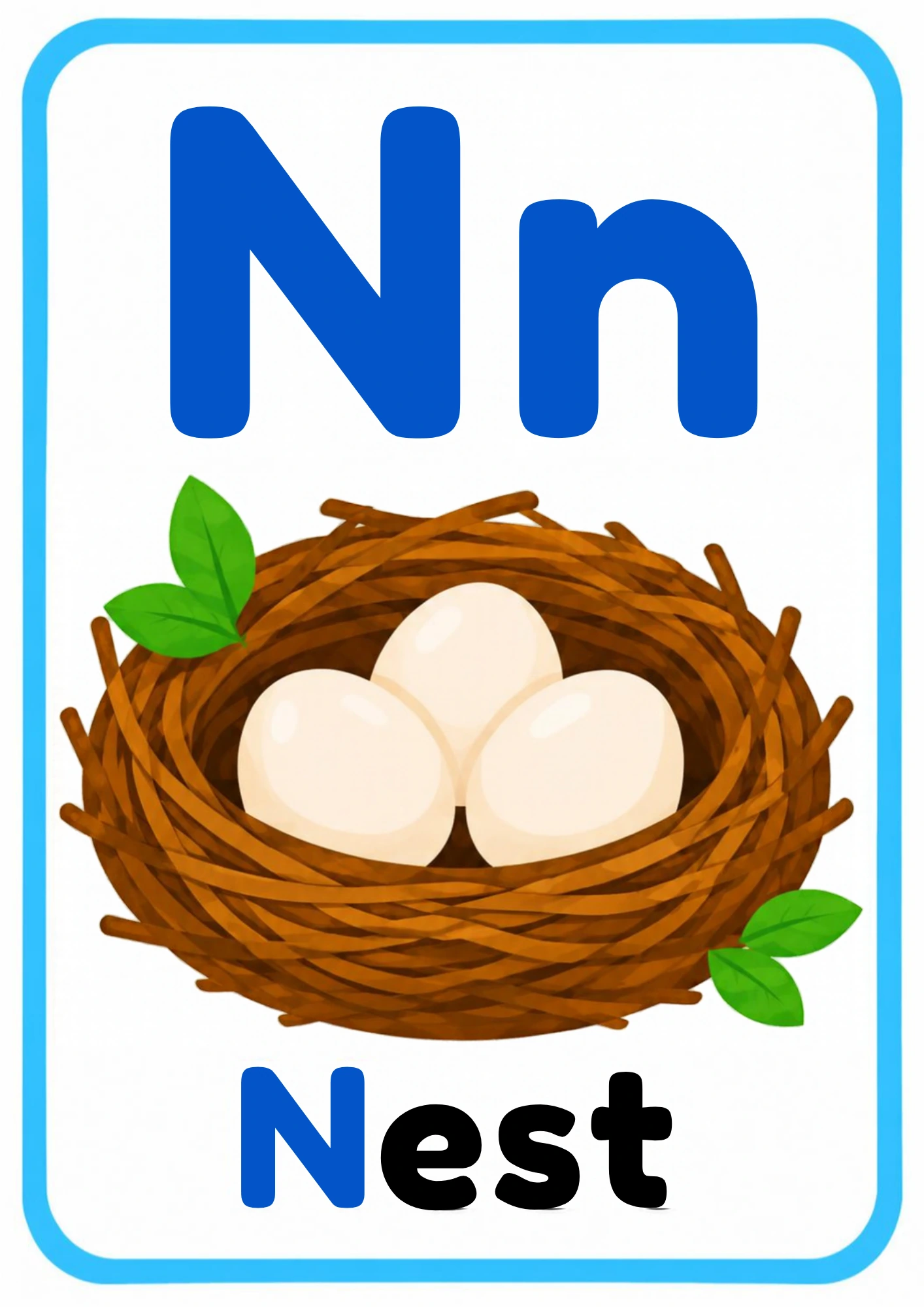
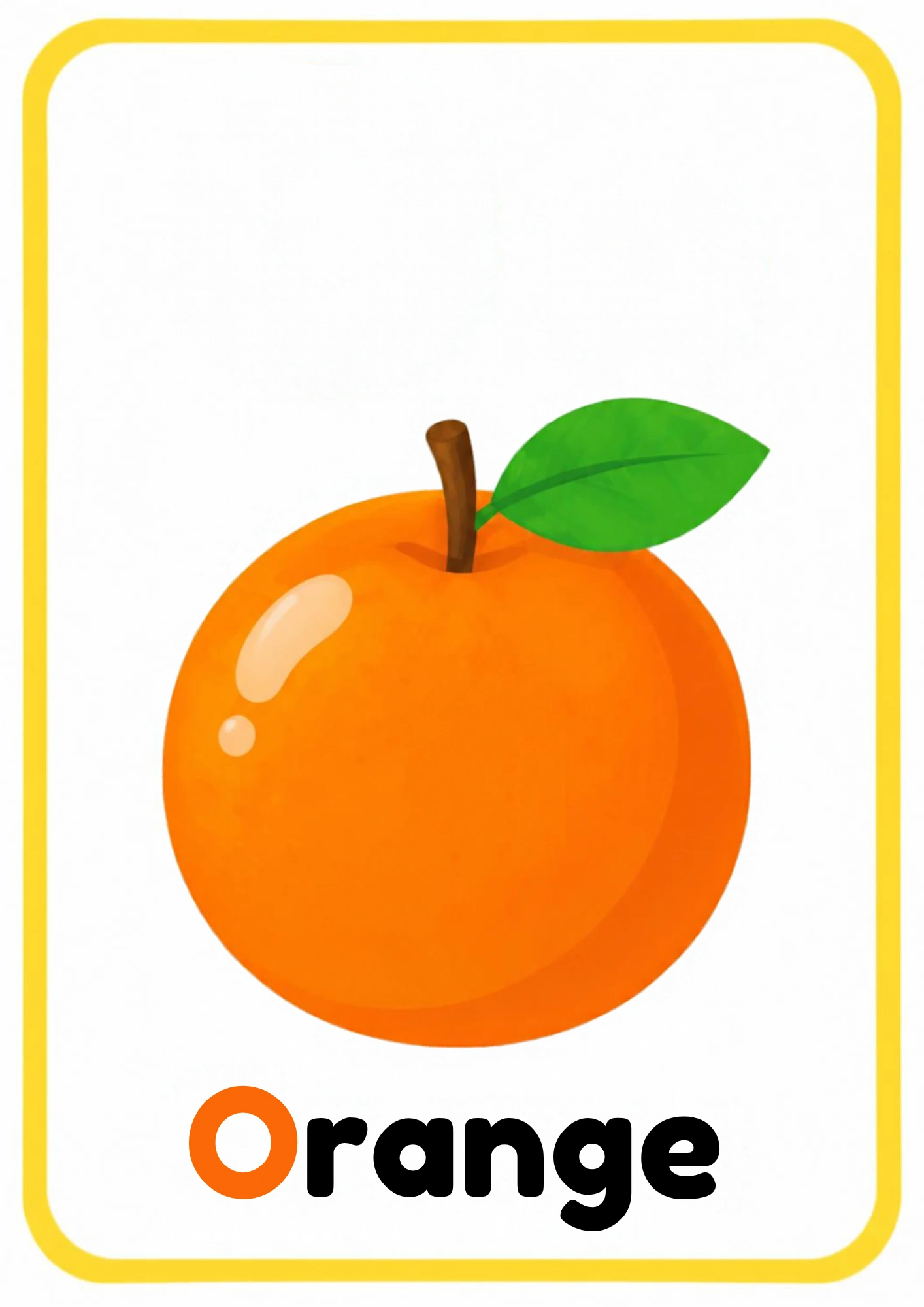
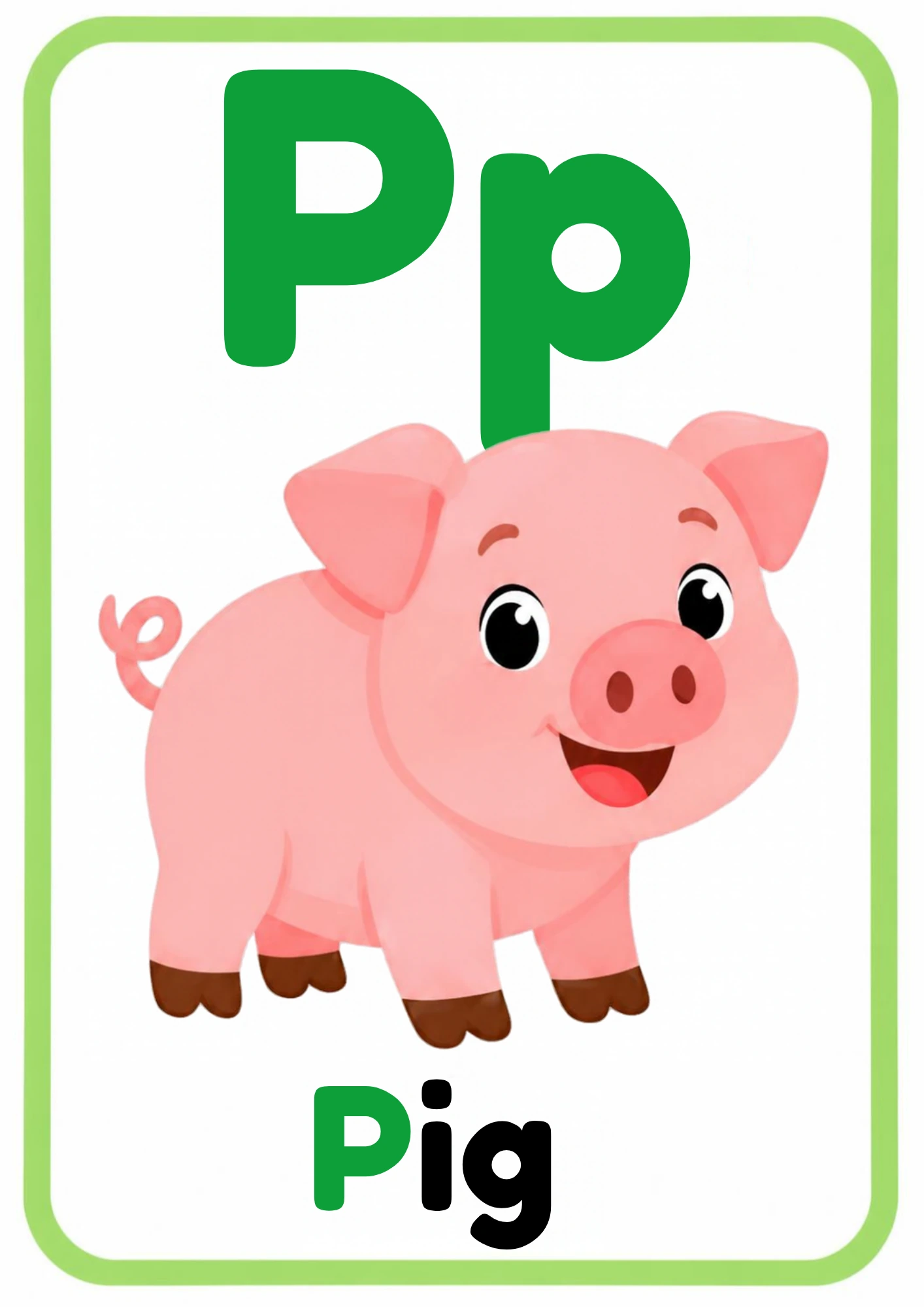
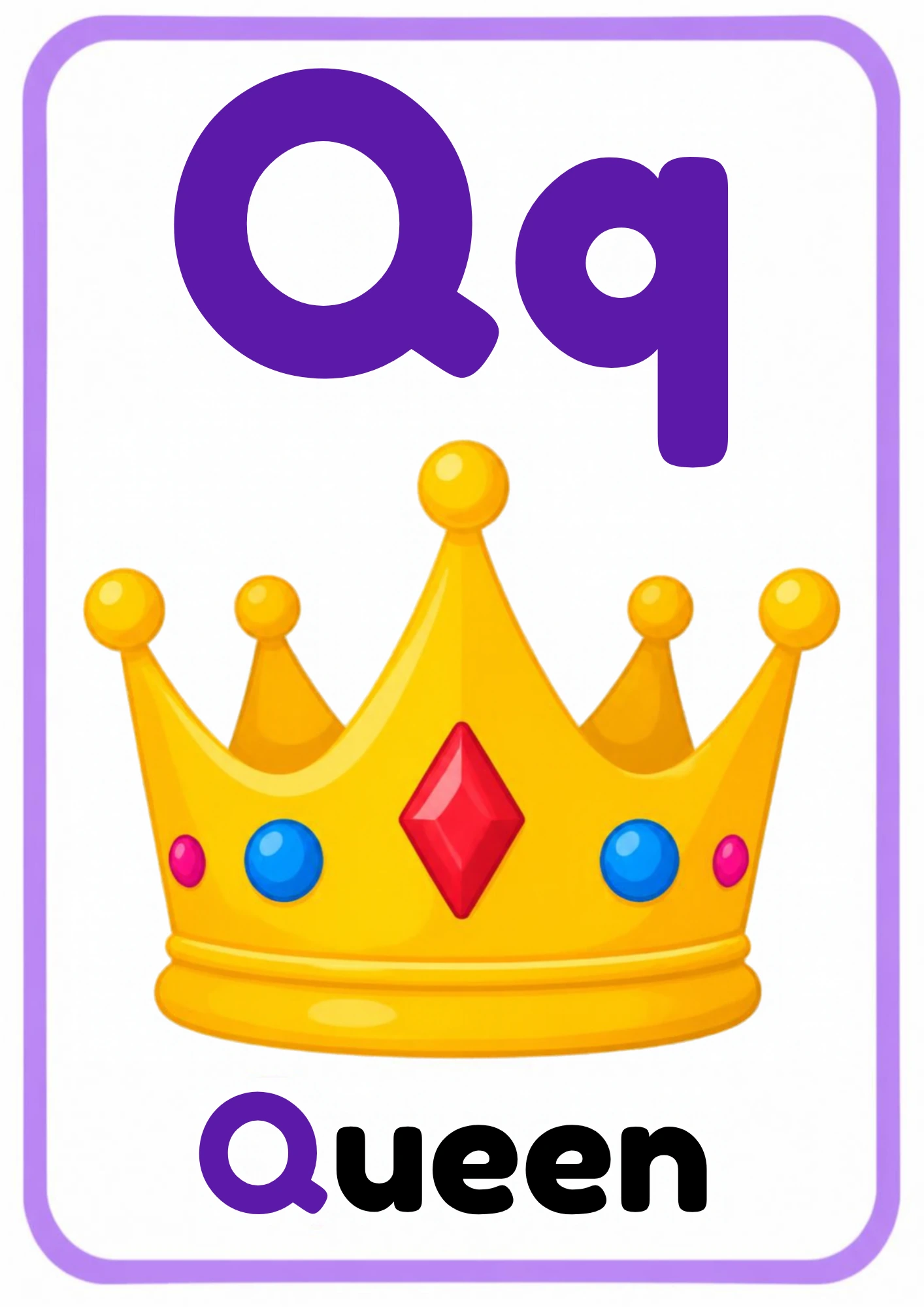
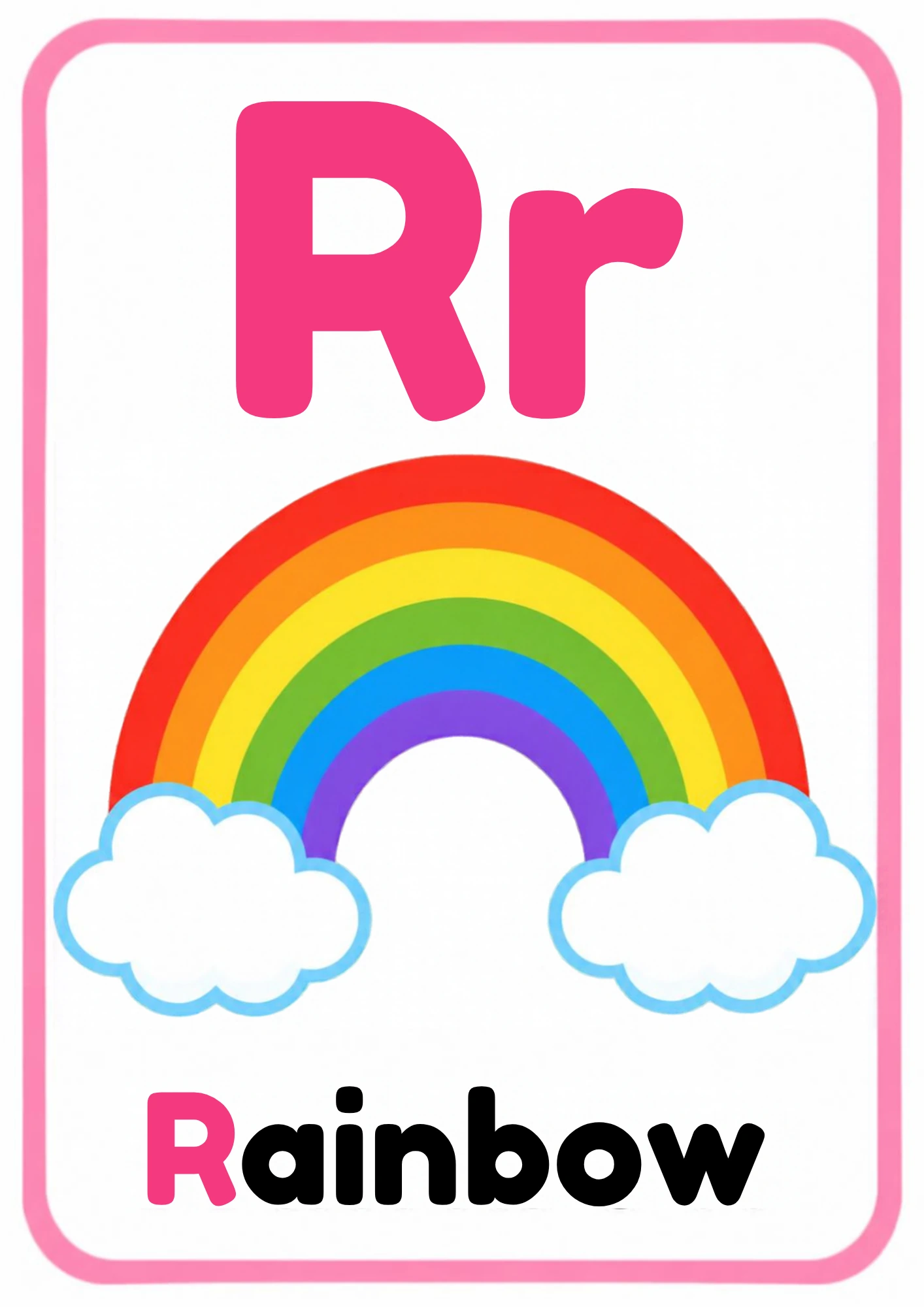
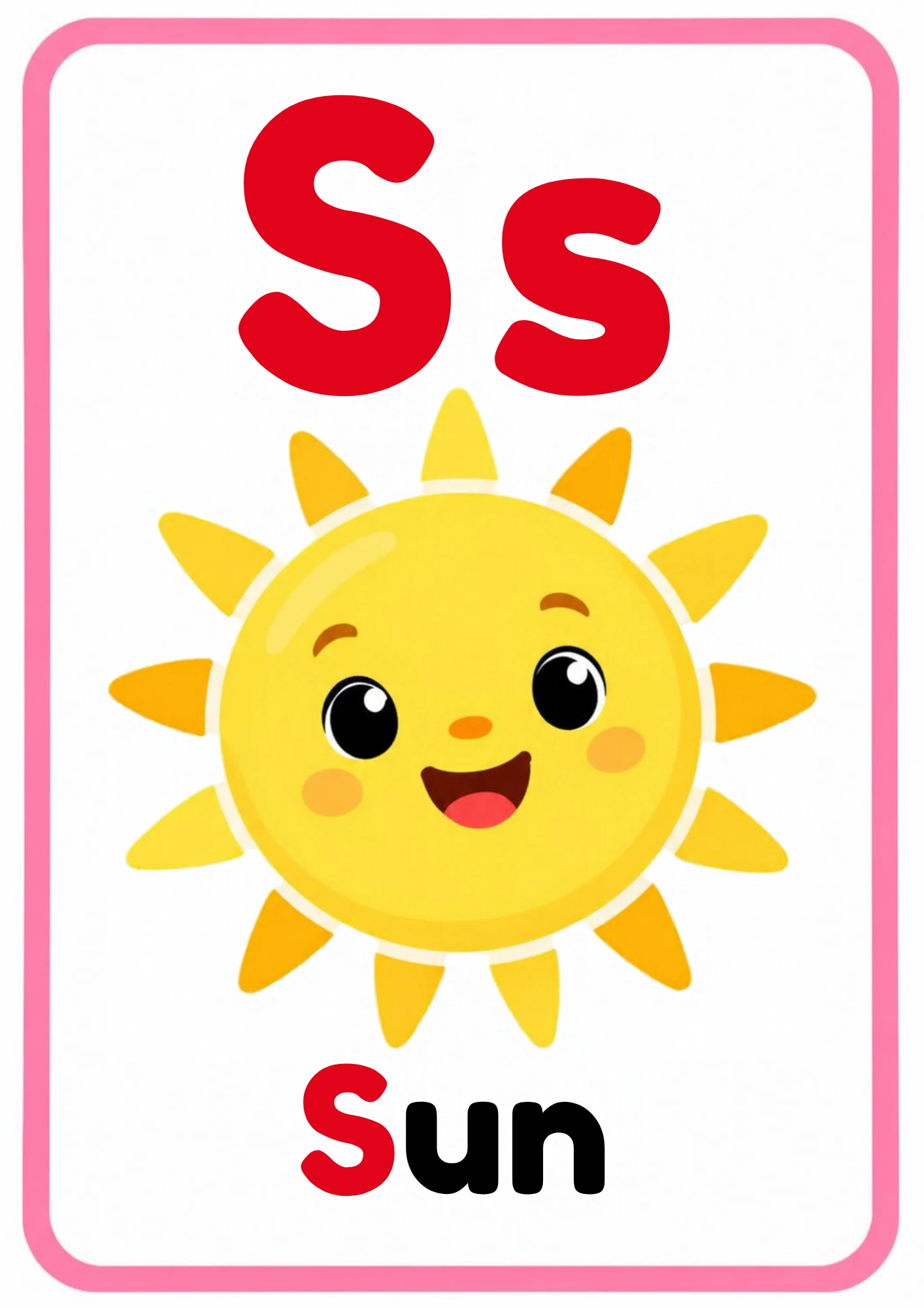
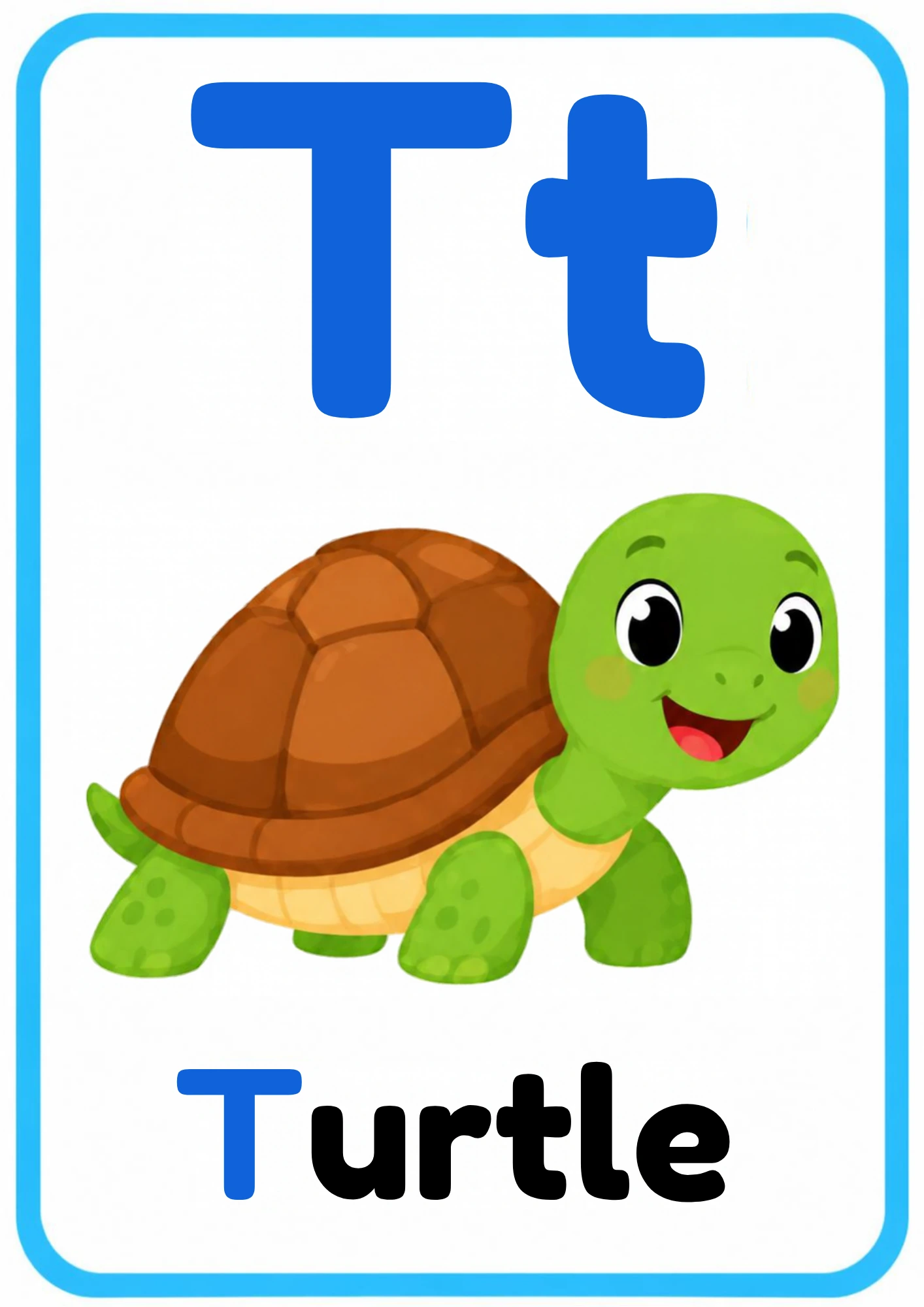
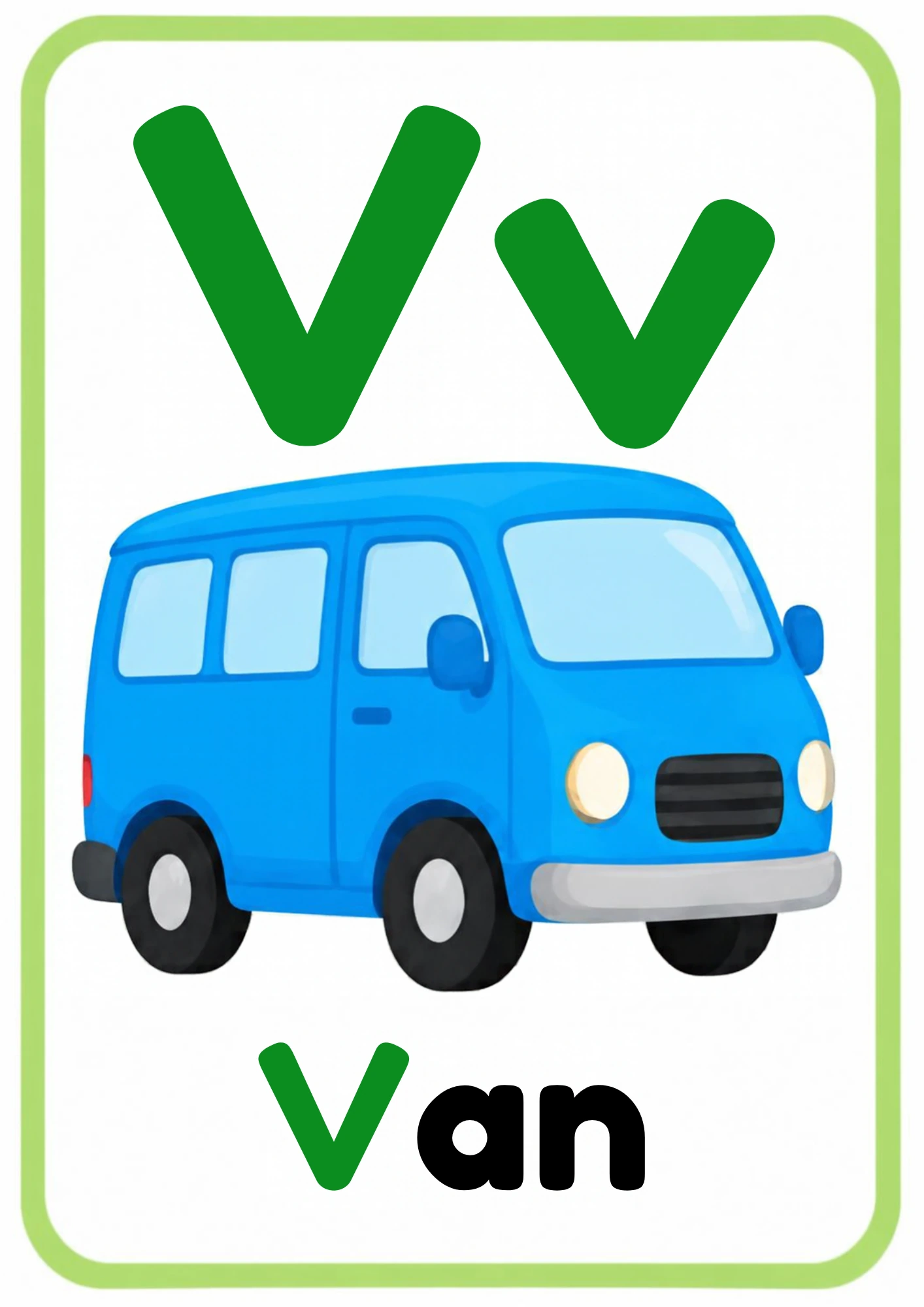
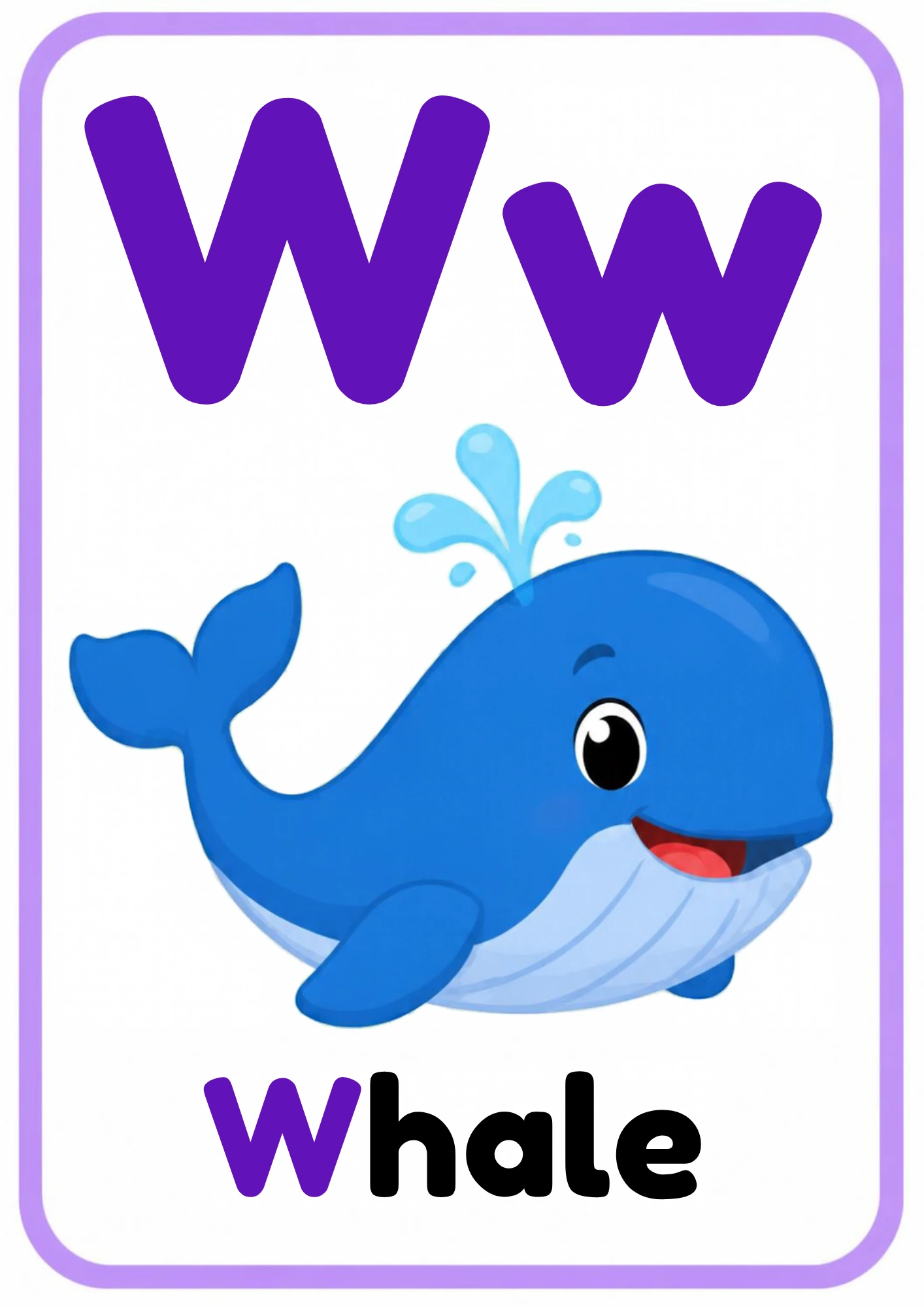
Every letter is here with its big form and its little form, a friendly picture and the word. Use the arrows to wander through them in order — or tap a group below to look at just a few letters at a time. Five cards is a fine lesson; twenty-six is a feast.
Card 1 of 26
Or simply scroll: all 26 cards are below.
SOLVE THE SHEETS — ON PAPER OR ON SCREEN
Solve the alphabet sheets together.
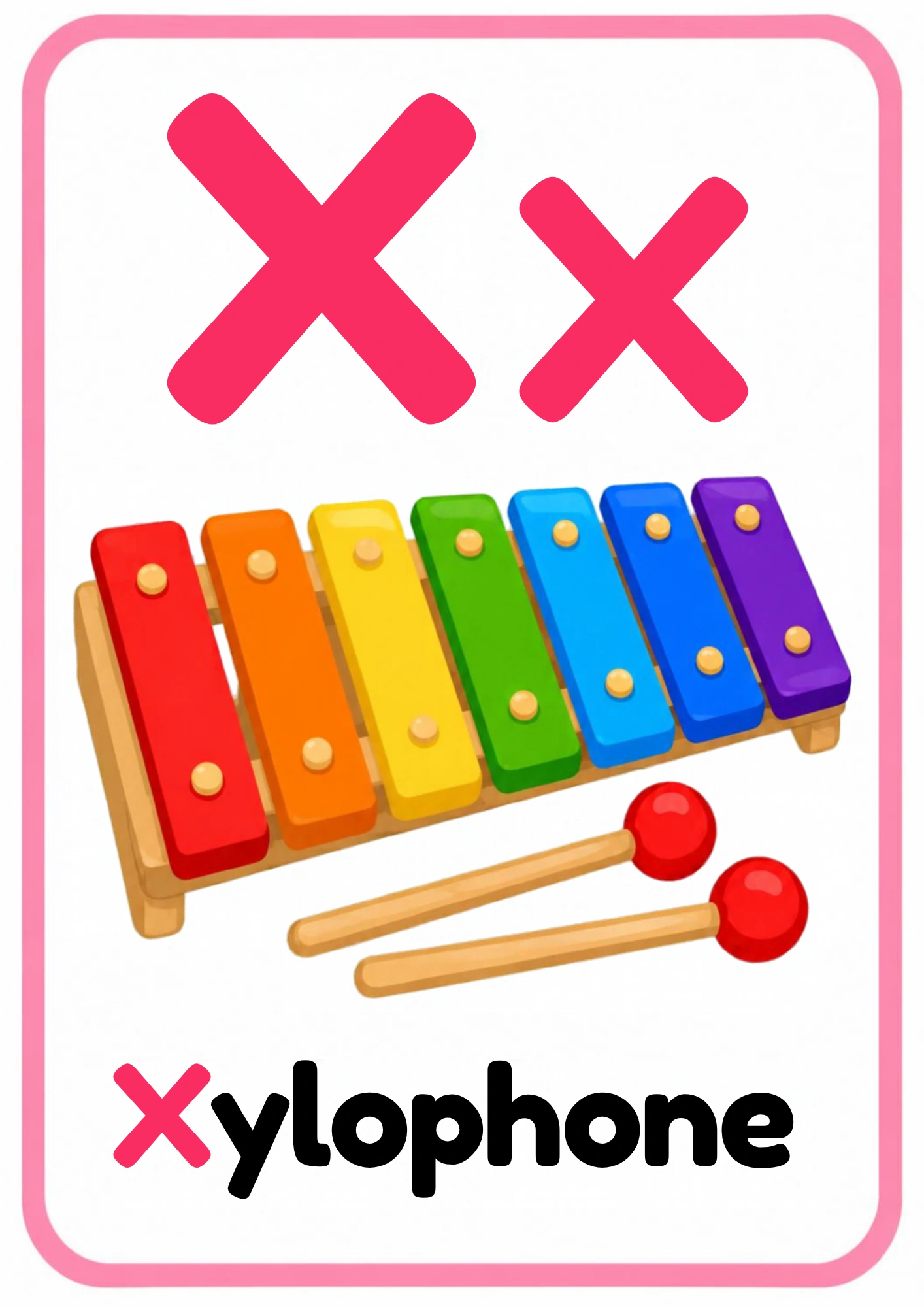
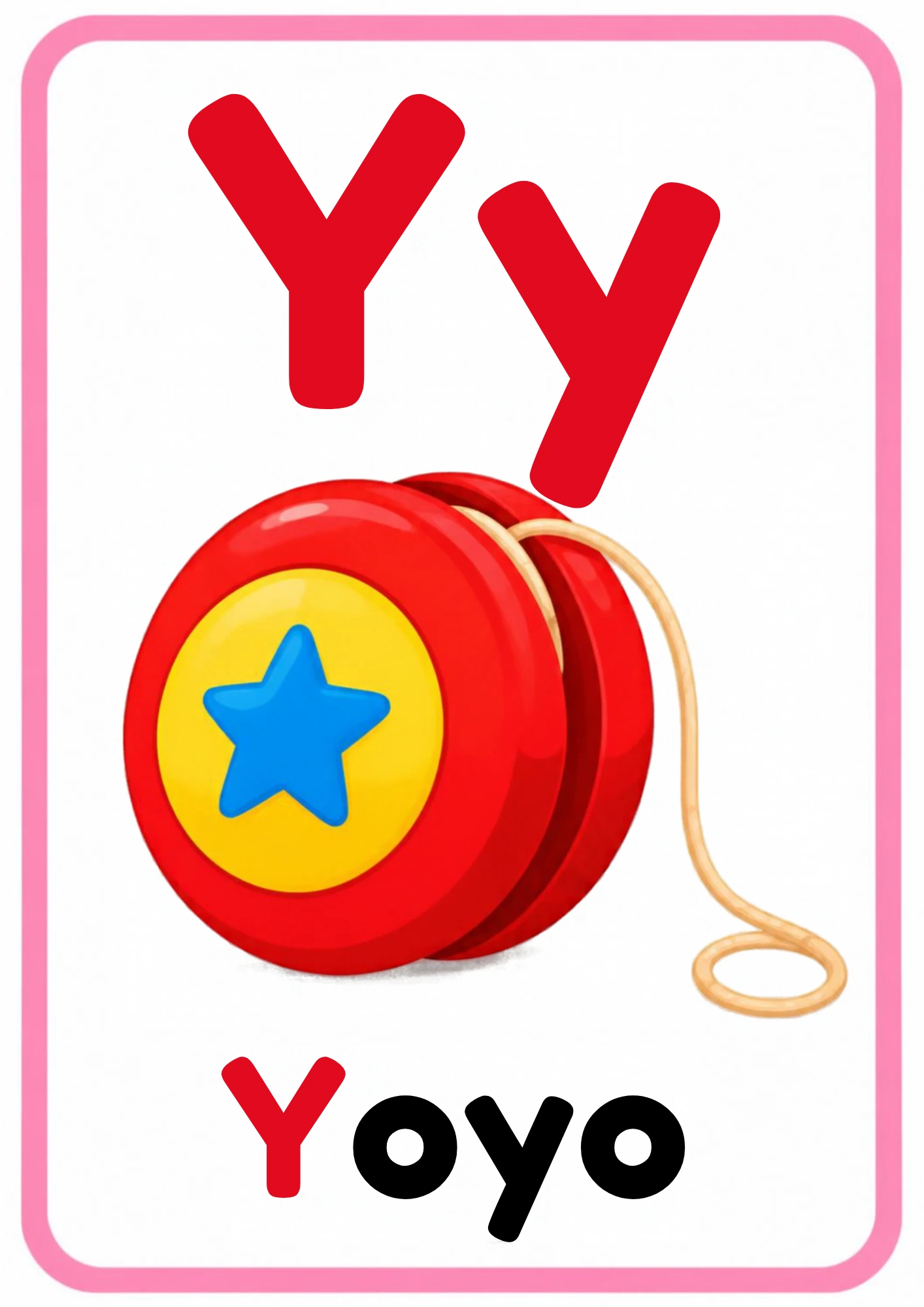
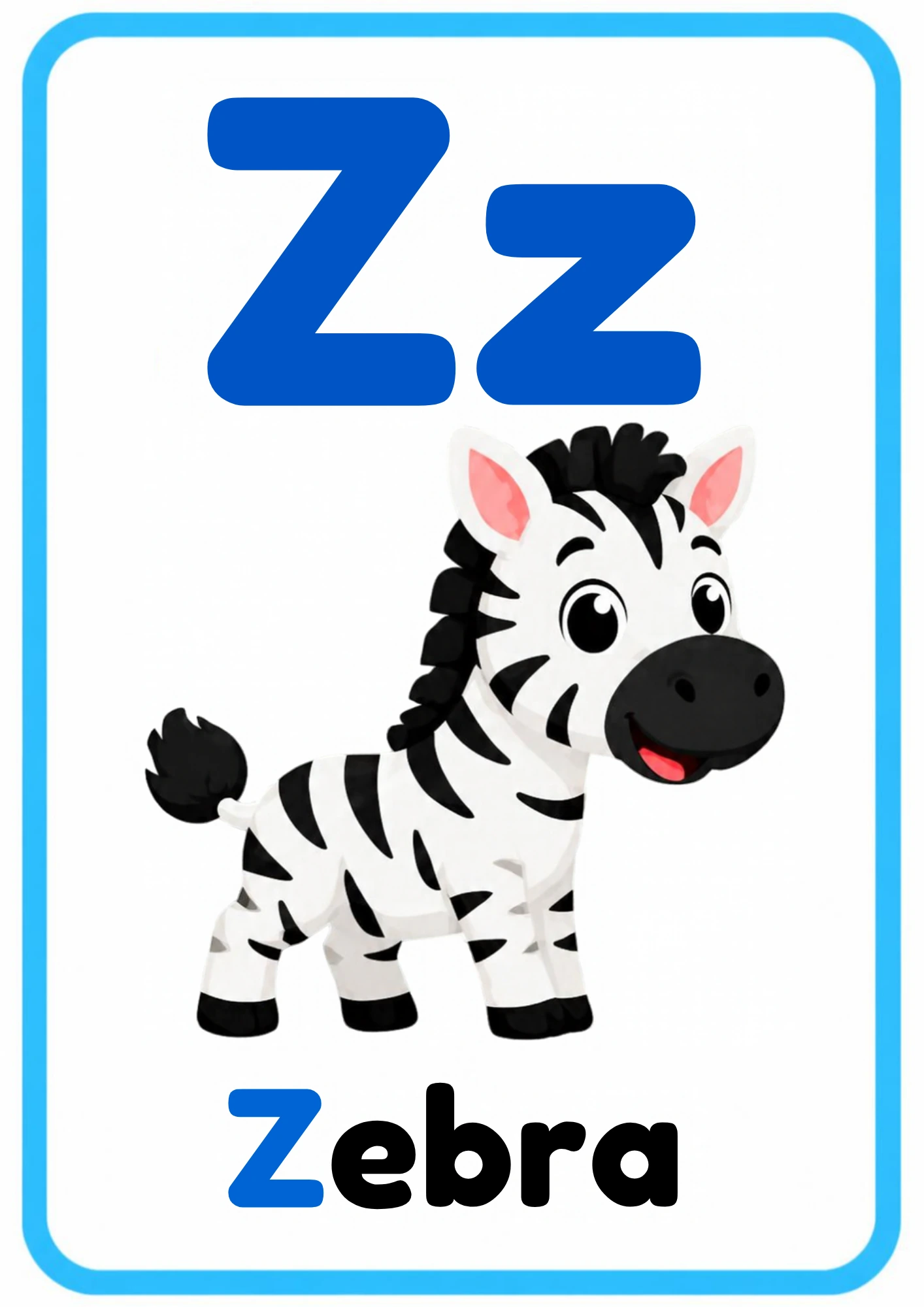
The twenty-six letter cards print two to a page, straight from your browser. Printed, cut and named, they are the class’s real worksheets — and on screen, every card page can be drawn on directly.
01
Print the cards
Open the printable cards and print all twenty-six, two to a page. Cut them out together, saying each letter’s name as it is cut.
02
Say letter, then sound
Hold up a card and say both in one breath — “B, and it says buh”. Then let your child have the card and take a turn.
03
Sort big and little
Lay the cards out and find each big letter’s little partner. Same letter, different size — matching them is real letter work.
04
Trace, then color
Pick today’s card and trace its big letter with one finger, then a crayon. On screen, the card page has a Write & Color layer that does the same job.
Every card page has a Write & Color layer: your child can draw right on the card with a finger, a stylus or the mouse, then save the finished work. Nothing is uploaded anywhere.
TAKE IT OFF SCREEN
Letters that live in your house.
The alphabet sticks best away from the screen, in short playful moments. Pick one of these — two minutes is plenty — and follow your child’s lead.
Find their own letter
Say the first letter of your child’s name and look for it on cups, clothes and cereal boxes.
“That’s your letter!” is the whole game — and it never gets old.
Letter hunt on a book cover
Hold up a favourite picture book and ask, “Can you find a letter you know on the cover?”
Any letter they spot is a win — name it warmly and move on.
Playdough letters
Roll a long rope of playdough and bend it into the first letter of your child’s name — or today’s favourite card letter.
Letters you can squeeze are letters you remember.
Letters out in the world
On a walk or a shop trip, point out letters on signs and packaging — “Look, an S like sun!”
Keep it light: one or two letters per outing is exactly right.
Stay close, keep it playful and stop while it is still fun. There is nothing to finish here.
PRINT THE CARDS
Take the alphabet to the kitchen table.
All twenty-six cards can be printed two to a page, in order, straight from your browser — no PDF, nothing to install.
Printed cards love fridges, bedroom doors and kitchen tables. The same cards also live in the flashcards library, each with its own page.
TEACHER NOTE
One last word from class.
“Letters are neighbours, not lessons — wave at a few each day and they introduce themselves. See you at class two!”
— Your Kiddo School teacher
A NOTE FROM THE PRINCIPAL
For the grown-ups.
At three, letter play is recognition play: naming, noticing and drawing — not drilling or handwriting. If your child mixes up b and d, or loves Q only for its tail, that is exactly on track. The printed sheets and the Write & Color layer keep every sound claim on the cards honest — including x, which mostly ends words rather than starting them.
You can come back to these letters anytime — they will be right here. Whether you met three letters or all twenty-six, that was the whole class, and stopping early is always allowed.
Sit together for the card viewing — laps are the best seats in the house. Name the letter and say its sound in the same breath — “B, and it says buh” — then move on quickly. Letter names and letter sounds are both worth knowing, and mixing them in play keeps either one from feeling like a test.
On the printed sheets, let the finger do the tracing first and the crayon second. On screen, let your child do the drawing in the Write & Color layer — even when the letter looks wobbly; the finger teaches the eye.
Age 3 is a guide, not a deadline. If today’s class is two letters traced on a printed sheet, today’s class was a success.
FAMILY FEEDBACK
How was this activity?
Your feedback helps us make Kiddo School better. This is feedback about the activity, for the grown-ups who make it — it is never about a child.
Comments from our school community
FLASHCARDS
Prefer printed cards?
The cards from this class also live in the flashcards library — every card has its own page with the picture, the words to say together and a download button, ready for away-from-screen time.
















Comments from our school community